
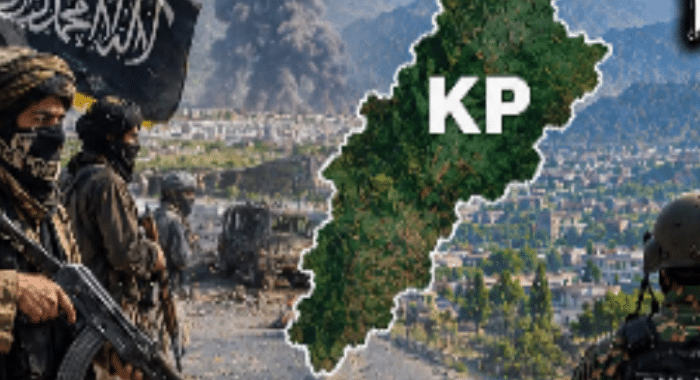
The reported imposition of emergency measures in Khyber Pakhtunkhwa comes amid growing concerns over escalating terrorist violence, deteriorating law and order, and the capacity of the province’s security apparatus to respond effectively. The development has intensified scrutiny of the province’s security strategy, the operational challenges facing police and the Counter Terrorism Department (CTD), and the urgent need for a coordinated response to the evolving threat.
According to figures cited in the information provided, terrorist incidents in Khyber Pakhtunkhwa increased by 195 percent between March 2024 and September 2026. The figures further claim that, out of 3,145 attacks reported nationwide in 2026, 1,971 occurred in Khyber Pakhtunkhwa. Reports of increasing drone attacks targeting police and the growing use of improvised explosive devices (IEDs) have added to concerns about the changing nature of the threat.
The cited figures indicate that police faced 170 drone attacks in 2026, while 159 IED attacks had been reported by September. Police and security forces were reportedly the targets in 73 percent of these attacks. These figures, if verified, underscore the scale of the challenge confronting law-enforcement agencies and the need to strengthen their operational capabilities.
Billions Allocated, Yet Critical Security Gaps Remain
Despite substantial financial allocations for counterterrorism, questions persist over whether the resources have translated into the necessary operational capacity on the ground. According to the information provided, approximately Rs800 billion was allocated for counterterrorism efforts over the past decade, while more than 9,000 police positions remain vacant.
The reported shortage of personnel raises serious concerns about the ability of police to maintain security, conduct intelligence-led operations, protect vulnerable communities, and respond swiftly to terrorist threats.
Security challenges are particularly pressing in the southern districts, where reported shortages of armoured vehicles, modern weapons, night-vision equipment, and surveillance systems can constrain operational effectiveness. The reported concentration of the Safe City project in Peshawar also raises questions about surveillance coverage and rapid-response capabilities in other sensitive areas of the province.
These gaps highlight the need to assess not only the volume of funding allocated but also how effectively it has been utilized, whether essential equipment has reached frontline personnel, and whether law-enforcement agencies possess the staffing, training, and technological support required to counter increasingly complex threats.
Emergency Measures Must Deliver Tangible Results
The reported emergency measures have brought the implementation of a more coordinated and effective security strategy into sharper focus. However, their success will depend on practical action, institutional coordination, and measurable improvements in public safety rather than administrative changes alone.
Police and the CTD must be equipped with adequate personnel, modern equipment, specialized training, and the resources needed to conduct effective counterterrorism operations. Surveillance should be strengthened in sensitive districts, intelligence-sharing between relevant agencies improved, and operations coordinated on the basis of credible intelligence.
Action against terrorist facilitators and support networks must be pursued through lawful, evidence-based procedures. Concerns surrounding the response to those responsible for attacks, including the need for a clear and consistent approach to terrorist threats, also remain central to the wider security debate.
The challenge extends beyond individual operations. Federal and provincial institutions must work together under a coherent strategy that prioritizes public protection, strengthens institutional accountability, and addresses the security threats facing the province. Allegations and claims concerning the security situation should be assessed on the basis of reliable evidence, while policy decisions must remain focused on preventing attacks and protecting civilians.
At the same time, emergency measures must comply with constitutional requirements and safeguard civil liberties and the fundamental rights of citizens. Public confidence and the rule of law are essential components of a sustainable counterterrorism strategy.
The Real Measure of Success: Peace for the People of KP
The people of Khyber Pakhtunkhwa have endured years of insecurity, violence, displacement, and disruption to their daily lives. The consequences of terrorism extend beyond casualties and damaged infrastructure, affecting education, economic activity, public services, and the confidence of communities in their future.
The success of the emergency measures must therefore be measured by concrete outcomes: fewer terrorist attacks, improved protection for civilians, stronger police and CTD capabilities, safer educational institutions, effective surveillance in vulnerable districts, and the restoration of normal life.
The central question is no longer simply whether emergency measures will be implemented, but whether they will translate into a sustained and measurable improvement in security.
A durable peace in Khyber Pakhtunkhwa will require federal and provincial institutions to rise above political differences and pursue a clear, coordinated, transparent, and accountable strategy. Adequate resources, professional policing, effective intelligence-sharing, lawful action against terrorist networks, and sustained institutional cooperation must form the foundation of that effort.
For the people of KP, the expectation is straightforward: security must improve, communities must be protected, and the sacrifices made in the fight against terrorism must lead to lasting peace. The emergency measures present an opportunity to address longstanding weaknesses but their true value will ultimately be determined by the results delivered on the ground.



