
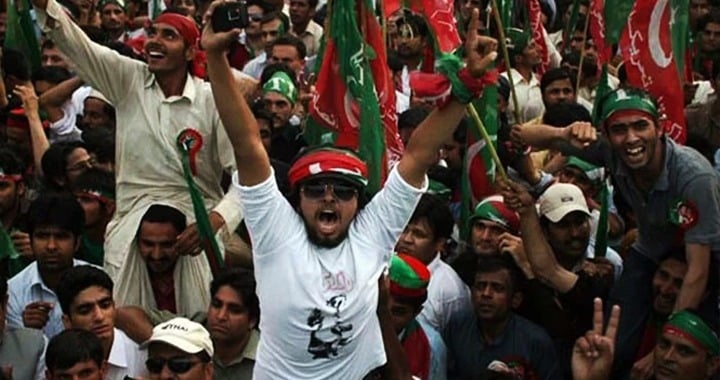
Pakistan’s political culture has many problems, but one of the most disturbing is the growing tendency to confuse abuse with argument and personal attacks with political awareness. PTI’s highly visible online support base has become a particularly prominent part of this debate. Its most aggressive members, often described as the party’s online brigade, have developed a reputation for responding to criticism with insults, intimidation and attacks on the personal lives of those who disagree with them.
This is not a claim that every PTI supporter behaves this way. Millions of Pakistanis support political parties for different reasons, and many young people participate in politics sincerely. The problem lies with a vocal section that presents itself as exceptionally informed and politically conscious while frequently substituting name-calling for evidence and invective for debate.
Political awareness should mean the ability to question authority, scrutinize public spending, distinguish facts from propaganda and hold one’s own leaders accountable. It should not mean unquestioning loyalty to a leader or the assumption that everyone who disagrees must be corrupt, ignorant or disloyal.
The irony is that PTI itself has published a social media code of conduct that prohibits abusive language, personal attacks and discourteous remarks. Its code calls on supporters to respect political opponents, journalists and the right to express differing opinions. That standard is difficult to reconcile with the conduct of supporters who routinely descend into abuse when confronted with uncomfortable questions.
The question is not whether PTI has a social media presence. It plainly does. The question is whether political mobilization through digital platforms has strengthened democratic debate or, in some sections of the party’s online following, helped normalize hostility toward dissent.
The issue becomes more serious when online rhetoric intersects with the province’s security crisis. Khyber Pakhtunkhwa has endured years of terrorist violence, including the December 2014 Army Public School massacre, which occurred during PTI’s first provincial administration. That fact does not make PTI responsible for the terrorist attack, but it underscores the seriousness of the security challenges the party has confronted while governing the province.
The founder’s own record on the Tehreek-e-Taliban Pakistan also deserves an evidence-based examination. Imran Khan publicly defended his government’s plan to resettle thousands of TTP fighters and their families after the Taliban’s return to power in Afghanistan. He argued that rehabilitation was preferable to allowing the fighters to remain a security threat. Supporters may defend that approach as an attempted peace initiative, while critics question its risks and consequences. A politically mature movement should be able to debate the decision without silencing either side through abuse.
This is precisely where the self-proclaimed political awareness of the online brigade should be tested. Can supporters discuss the resettlement plan, the province’s worsening security challenges, the allocation of public funds and the performance of successive PTI governments without turning the discussion into a personal assault?
Can they criticize their opponents without treating their own leadership as beyond scrutiny?
Democracy requires citizens who can distinguish loyalty from accountability. A leader’s popularity does not make every decision correct, and criticism of a party is not automatically hostility toward its voters.
PTI’s young supporters have every right to organize, campaign, challenge the government and demand justice for their leader. But those rights carry a responsibility to respect facts, tolerate disagreement and reject abusive political conduct.
The real measure of political awareness is not how loudly someone defends a leader or how viciously they attack an opponent. It is whether they can think independently, ask difficult questions of their own party and defend their position without abandoning basic standards of civility.
A political movement that claims to represent a new generation should be judged by the quality of debate it produces, not the volume of insults its loudest supporters deliver.



