Pakistan has delivered a strong and uncompromising message at the United Nations, exposing the devastating human and economic cost of terrorism and calling for a strengthened international counterterrorism framework to confront terrorist organisations operating across borders. Islamabad has urged the international community to abandon selective approaches, reject political expediency, and take decisive action against all terrorist organisations, regardless of their identity, ideology, nationality, or geographical location.
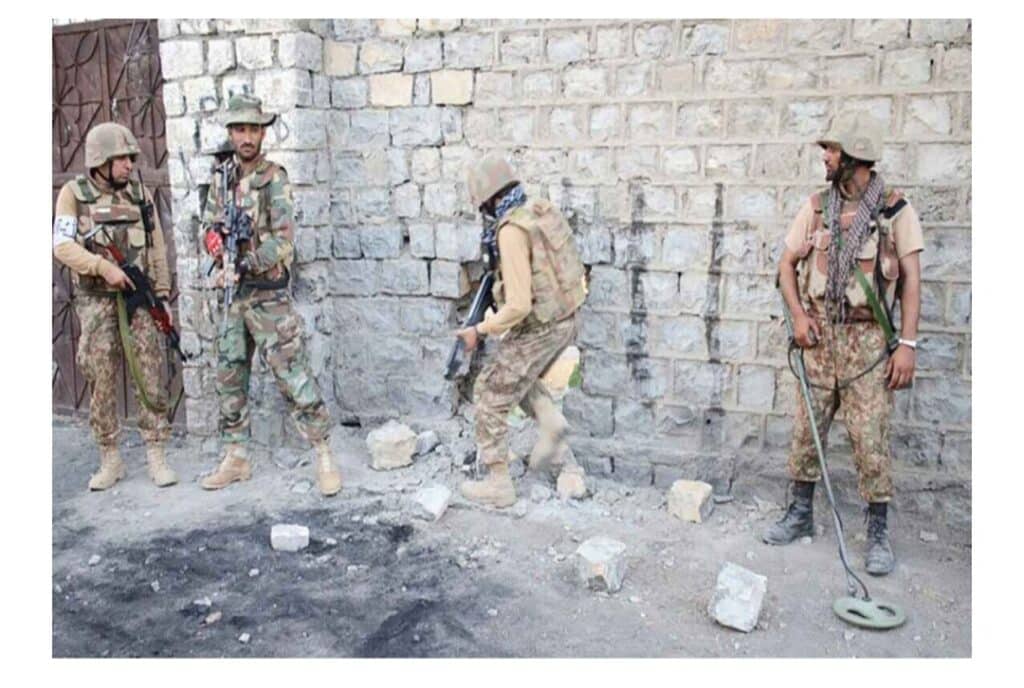
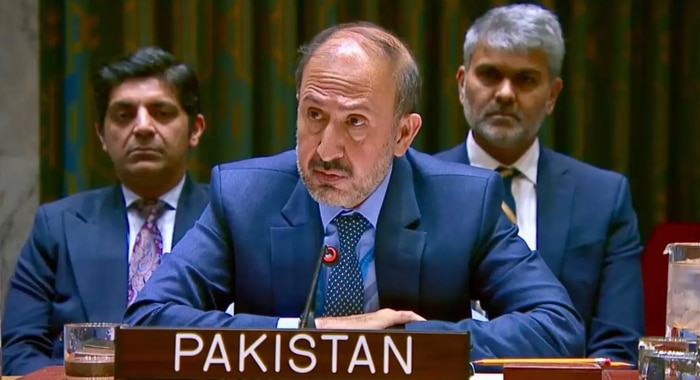
Addressing the United Nations Security Council, Pakistan’s Permanent Representative, Ambassador Syed Haider Shah, highlighted the enormous sacrifices made by the country in its prolonged fight against terrorism, revealing that Pakistan has suffered more than 90,000 casualties and billions of dollars in economic losses as a result of terrorist violence.
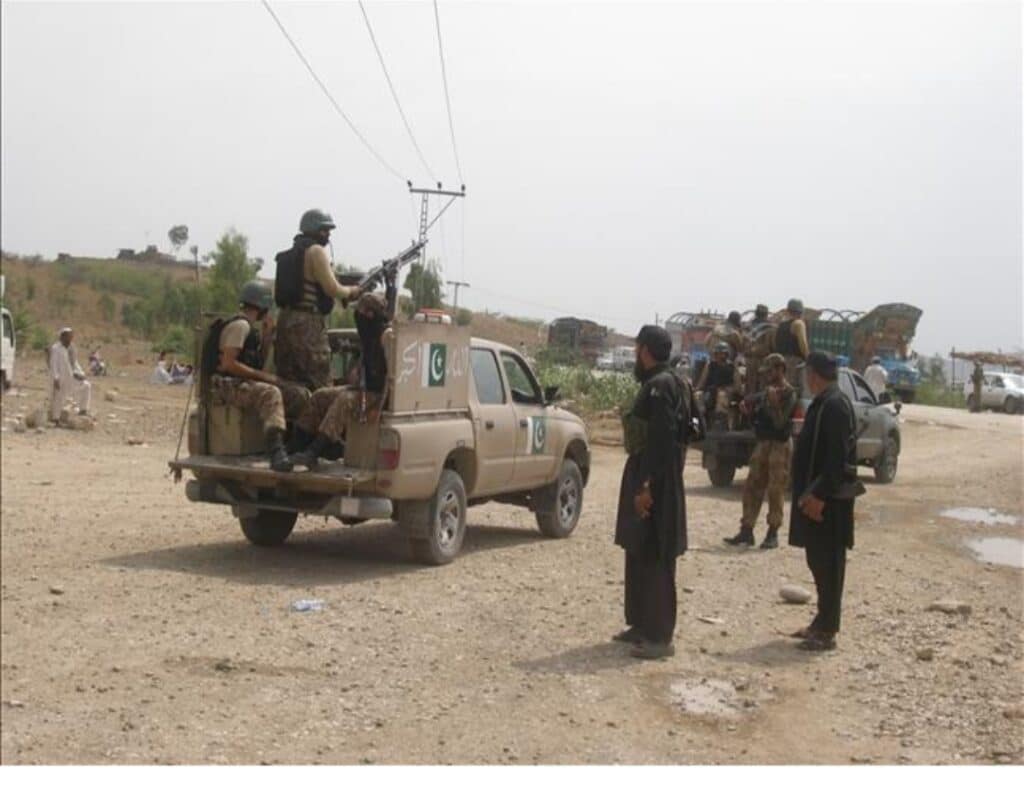
The Pakistani envoy further disclosed that more than 4,700 Pakistanis have been killed in terrorist attacks originating from Afghanistan over the preceding three years, underscoring the grave security challenges confronting the country as a result of cross-border terrorism.
Ambassador Haider Shah emphasized that Pakistan’s security forces and law enforcement agencies continue to confront multiple terrorist organisations operating from Afghan territory, including ISIL-K, Tehreek-e-Taliban Pakistan (TTP) and its affiliates, the Balochistan Liberation Army (BLA), the Majeed Brigade, and the East Turkistan Islamic Movement (ETIM).
He maintained that these organisations were benefiting from the patronage of their hosts and receiving backing from Pakistan’s principal adversary, further aggravating regional instability and undermining peace and security.
The Pakistani representative also warned that terrorist organisations were increasingly exploiting emerging technologies, cross-border networks, and regional instability to expand their operational capabilities. He stressed that the international community could no longer afford to underestimate the evolving nature of the terrorist threat or allow these networks to exploit gaps in global security mechanisms.
Calling for comprehensive reforms to the United Nations counterterrorism architecture, Pakistan stressed that the existing 1267 sanctions regime must be strengthened and made more responsive to contemporary security challenges.
Ambassador Haider Shah emphasized that international counterterrorism mechanisms must reflect ground realities and provide effective instruments to confront terrorist organisations without discrimination or political considerations.
He called for consistent international standards and stronger collective action against all forms of terrorism, including violent far-right and extreme-right-wing movements, ultra-nationalist groups, xenophobic organisations, and Islamophobic extremism.
Pakistan’s position made it clear that terrorism cannot be categorized according to political convenience. No organisation should be allowed to escape international accountability because of its political connections, ideological orientation, or strategic usefulness to any state.
The fight against terrorism must be universal, consistent, and uncompromising. There can be no selective condemnation, no political protection, and no double standards when innocent lives are at stake.
The question of international sanctions against the Balochistan Liberation Army and its suicide attack wing, the Majeed Brigade, has emerged as an important dimension of Pakistan’s diplomatic campaign against terrorism.
Pakistan has already proscribed the BLA, while the Majeed Brigade was separately banned by the government in July 2024. Both organisations have also been designated by the United States under its domestic terrorism framework.
However, their inclusion on the United Nations 1267 sanctions list remains subject to a separate international legal and diplomatic process.
A UN designation under the relevant sanctions framework would introduce significant restrictions, including asset freezes and arms embargoes, helping prevent designated organisations from accessing financial resources, weapons, and international support networks.
The 1267 sanctions regime specifically addresses ISIL (Da’esh), Al-Qaeda, and individuals, groups, and entities associated with them.
China’s renewed demand at the Security Council to include the BLA and Majeed Brigade on the international sanctions list has further strengthened diplomatic momentum surrounding Pakistan’s campaign. Beijing’s position also reflects growing coordination between Pakistan and China on international counterterrorism efforts.
Pakistan’s statement at the United Nations carries a broader message for the international community: terrorism is not an isolated national challenge but a transnational threat requiring collective responsibility, effective coordination, and unwavering political commitment.
For a country that has endured more than 90,000 casualties and billions of dollars in economic losses, the demand for effective international action is rooted in decades of sacrifices and the continuing struggle to protect its people.
The international community must ensure that terrorist organisations are denied financial support, weapons, operational networks, and safe havens. Equally, the United Nations must strengthen its mechanisms to ensure that no terrorist organisation can exploit political divisions or diplomatic loopholes to escape accountability.
Pakistan’s message is unequivocal: the blood of thousands of innocent Pakistanis cannot be ignored, and the sacrifices of its security forces and citizens must not be undermined by selective international action.
The time has come for the United Nations and its member states to move beyond statements of concern and demonstrate genuine commitment through concrete, impartial, and decisive counterterrorism measures.