
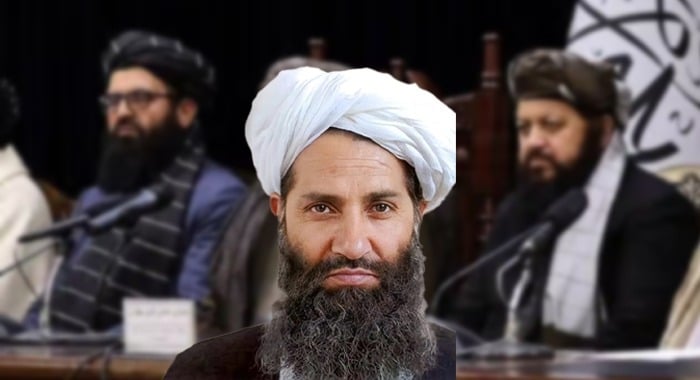
The reported failure of Türkiye’s intelligence chief Ibrahim Kalin to meet Taliban supreme leader Hibatullah Akhundzada has drawn attention to the concentration of political authority within the Taliban administration.
Although Taliban officials in Kabul manage much of the group’s day-to-day government business, Akhundzada and his inner circle in Kandahar retain decisive influence over major political and ideological matters.
This structure has implications for foreign governments attempting to negotiate with the Taliban on security, diplomacy, and regional cooperation.
Kabul’s Officials and Kandahar’s Authority
Kalin met senior Taliban officials in Kabul, including the acting defense minister, interior minister, and intelligence chief.
He also traveled to Kandahar, where he met local Taliban authorities and figures close to Akhundzada.
The planned meeting with the supreme leader, however, reportedly did not take place.
The episode underscores the distinction between engaging with the Taliban’s administrative leadership and obtaining direct access to the individuals who hold ultimate decision-making authority.
Implications for Negotiations
For countries seeking to resolve disputes with the Taliban, access to senior officials is only one part of the diplomatic process.
The effectiveness of negotiations also depends on whether those officials can secure approval from the leadership and translate commitments into action.
This issue is particularly relevant to Pakistan, which has repeatedly sought assurances from the Taliban that Afghan territory will not be used for terrorist attacks against it.
The Taliban’s centralized structure could make direct engagement with its supreme leader important for resolving sensitive disputes, although the extent to which the reported cancellation affected the Turkish delegation’s objectives remains unclear.
A Question of Diplomatic Access
The episode raises a broader question about how foreign governments can establish reliable channels of communication with a leadership structure in which authority is concentrated around a largely inaccessible supreme leader.
For regional mediators, the challenge is not simply to arrange meetings but to ensure that discussions produce decisions that can be implemented.



