
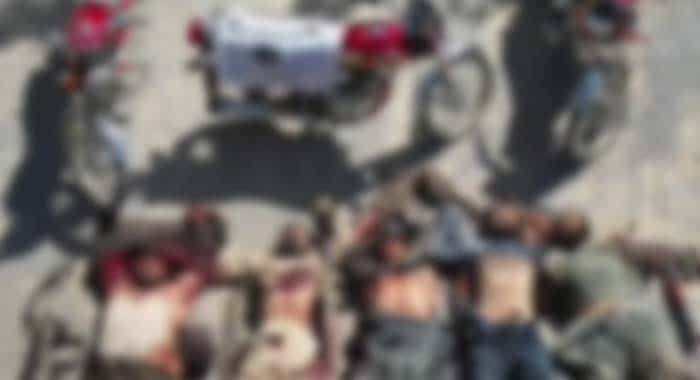
The attempted attack on the Khooni Talab Joint Check Post in Kanak Valley, Mastung, is more than another isolated clash between security forces and terrorists. It points to a broader challenge facing security formations in Balochistan: preventing terrorist groups from turning difficult terrain, dispersed positions and rapid movement into opportunities for surprise attacks.
The initial assault was contained by alert personnel, but the response did not stop with defending the check post. The movement of the attackers away from the position triggered a wider security response, with reinforcements moving into the area and operations continuing beyond the immediate site of the attempted attack.
That distinction matters. Terrorist groups do not necessarily need to overrun a security position to achieve their tactical objective. An attempted assault can itself be designed to test reaction times, identify vulnerabilities, create pressure on a remote post or draw security personnel into a pursuit. A rapid and coordinated response can therefore be as important as the defense of the installation itself.
The Kanak Valley operation also underlines the importance of intelligence-led deployment in areas where terrorists can exploit the terrain. Remote valleys and connecting routes can provide attackers with room to approach, withdraw and attempt to regroup. For security forces, this means that neutralizing the immediate threat is only one part of the mission. The surrounding area must also be searched and secured to prevent surviving attackers from returning or shifting the threat to another location.
The pursuit that followed the initial engagement demonstrates why reinforcement and mobility remain critical in counterterrorism operations. Once an attacking group is detected, the window to disrupt its movement can be narrow. Delayed action can allow terrorists to disperse into difficult terrain, while a coordinated response can turn an attempted attack into a broader disruption of the attacking network.
There is another important lesson in the episode. Security posts cannot be viewed as isolated defensive points. They form part of a wider security grid, and an attack on one position can quickly become a test of the surrounding response mechanism. The ability to reinforce a threatened position, track fleeing attackers and maintain a search operation determines whether terrorists can dictate the tempo of an engagement.
The continuing search operation in Kanak Valley therefore carries significance beyond the immediate clash. The objective is not simply to count the terrorists eliminated during an operation, but to ensure that the attack does not create a second opportunity for the same network.
For Balochistan’s security landscape, that is where the story really continues. Foiling an attack prevents an immediate loss of life and protects a strategic position. Following through with pursuit, area domination and clearance is what can prevent the failed attack from becoming the opening move of another one.
The Kanak Valley episode consequently highlights a central requirement of counterterrorism: an attack must not be allowed to end on the terrorists’ terms.



