
Al-Qaeda is providing training, technical assistance and operational support to the banned Tehreek-e-Taliban Pakistan (TTP) in Afghanistan, including reported training of suicide attackers, highlighting the increasingly interconnected terrorist infrastructure operating from Afghan soil.
A United Nations Security Council monitoring report has documented links between Al-Qaeda and TTP, with particular concern over training activities and the ability of terrorist groups based in Afghanistan to support attacks in Pakistan. The assessment cited reports that Al-Qaeda members in Afghanistan’s Kunar province were involved in training TTP operatives for suicide attacks.
The findings add to mounting evidence that TTP’s operational capabilities are being reinforced through cooperation with other terrorist organizations operating in Afghanistan. The UN has previously assessed that Al-Qaeda and its South Asia affiliate, AQIS, provide TTP with training, ideological guidance and other forms of support.
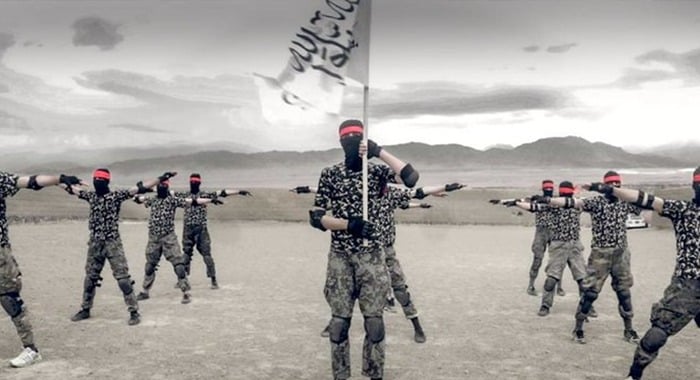
According to the assessment cited in the report, TTP has as many as 7,000 fighters in Afghanistan. The group has established training facilities in at least four Afghan provinces, with reports indicating assistance from Al-Qaeda and elements linked to the Taliban.
The presence of these facilities provides TTP with an environment in which fighters can be trained, organized and prepared for cross-border operations while maintaining sanctuary beyond Pakistan’s reach.
The UN assessment also points to the continued operational activity of TTP inside Pakistan, where the group has carried out repeated attacks against security forces and other targets. TTP’s cooperation with Al-Qaeda has raised particular concern because training and operational expertise from the wider Al-Qaeda network can strengthen the Pakistani Taliban’s ability to conduct more sophisticated attacks.
The relationship is not limited to training. UN assessments have described broader logistical and operational support involving TTP, Al-Qaeda and other terrorist groups in Afghanistan. A subsequent UN assessment reported that Al-Qaeda-linked training sites in Afghanistan have trained both Al-Qaeda and TTP fighters, while TTP has continued to receive substantial logistical and operational support from the Taliban authorities.
At the same time, Islamic State Khorasan (ISIL-K) remains active in Afghanistan and continues attempts to expand its network despite sustained counterterrorism pressure. The UN has described ISIL-K as a major threat in Afghanistan and the wider region, while noting that the group has adapted its operational structure in response to losses.
The picture emerging from the UN assessments is therefore broader than the presence of a single terrorist organization. Afghanistan continues to host multiple groups with overlapping personnel, training networks and operational relationships, creating an environment in which expertise and resources can move between organizations.
For Pakistan, the reported Al-Qaeda-TTP training nexus carries particular significance because attacks launched by TTP inside the country have repeatedly targeted security personnel and installations. The existence of training infrastructure and support networks across the border gives the group a sustained base from which to replenish its operational capacity.
The findings also put renewed focus on Kabul’s repeated assurances that Afghan territory will not be allowed to be used against other countries, particularly Pakistan. The documented presence of TTP training infrastructure and its links with Al-Qaeda remain at odds with those assurances.



