For the past three to four years, the security situation across Khyber Pakhtunkhwa’s southern districts has been deteriorating, and the latest curfews in North and South Waziristan are another reminder that the problem has gone far beyond isolated terrorist attacks.
Security forces and police have faced repeated attacks on their personnel and convoys. Operations have been conducted, terrorists have been eliminated and their networks disrupted, but the underlying problem remains. We are dealing with vast mountainous territory where small groups can disperse, hide and re-emerge.
That is one of the biggest challenges in Waziristan. Terrorists are no longer necessarily concentrated in large formations. They can operate in scattered groups of 10, 15 or 20, maintain sleeper cells and exploit the difficult terrain.
I have travelled extensively through North and South Waziristan. These are enormous, rugged areas. It is extremely difficult to establish a permanent and effective security presence everywhere. That is why governance cannot be treated as an afterthought.
The Real Vacuum Is Governance
The former tribal administrative system had serious shortcomings, particularly when it came to people’s rights, but it nevertheless had a functioning chain of authority. There was a political agent who exercised administrative, financial and judicial functions. Whatever its flaws, the system provided a certain degree of control and predictability.
After the merger of the tribal districts with Khyber Pakhtunkhwa, we have not fully replaced that structure with an equally effective system of governance.
The police presence remains inadequate for the scale of the territory. There are questions about manpower, training, weapons, vehicles and logistical capacity. The judicial system remains difficult to access, while the administrative machinery’s grip from Peshawar is also weak.
This is where the real danger lies. When a governance vacuum emerges, it does not remain confined to one district. Its effects spill into neighboring areas such as Lakki Marwat and other southern districts.
We cannot solve this crisis simply by announcing that billions of rupees have been allocated to the police or Counter Terrorism Department. The question is not only how much money was allocated. The question is where it went, what the police actually received, what their operational requirements are and why those requirements remain unmet.
Governance is ultimately measured on the ground, not in press conferences.
Do Not Turn Farmers Into Soldiers
I have consistently opposed the idea of relying on local peace committees or lashkars as a substitute for the state’s security apparatus.
The people of these areas are farmers, shopkeepers, teachers, traders and ordinary citizens. Some may have returned from overseas employment. They are not trained counterterrorism personnel.
The groups confronting them are different. Fitna al-Khwarij operatives are trained, armed and capable of operating through concealed networks and sleeper cells. They can observe their targets for days and strike when they identify an opportunity.
An ordinary citizen cannot be expected to maintain checkpoints around the clock, carry weapons and fight a professional terrorist network.
Counterterrorism is a fundamental responsibility of the state. Local communities can cooperate with law enforcement, provide information and support peace, but asking civilians to carry the burden of an armed conflict is both unfair and dangerous.
Politics Must Not Paralyze Security Policy
There is also a political dimension that cannot be ignored.
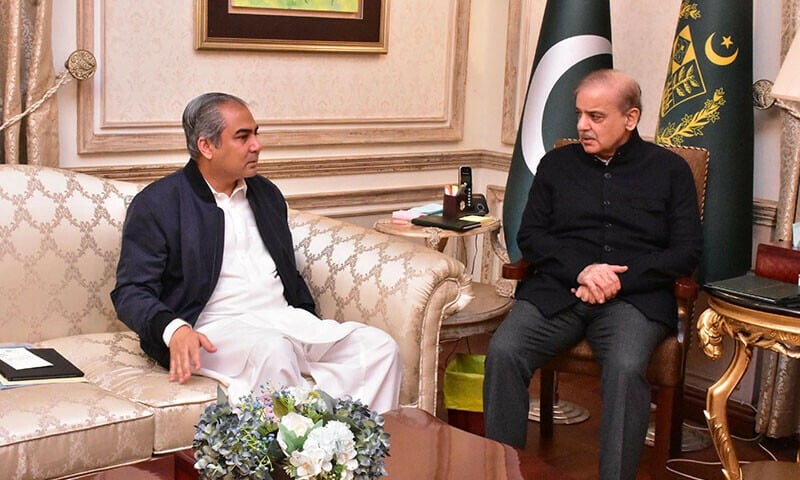
When someone becomes a minister, MPA, MNA or chief minister, they accept responsibility for governing the province. That responsibility includes speaking to the federal government, meeting security institutions and coordinating with the law-enforcement agencies operating in the province.
This is Pakistan. A Corps Commander, a provincial minister and a federal official are all part of the same state structure. Meeting one another should not be treated as a political embarrassment or a clandestine activity.
The obsession with social-media reactions has become an obstacle to serious governance. Politicians sometimes become so concerned about how their supporters will interpret a meeting that they avoid the very institutions with which they must coordinate.
There is another problem as well. Political leaders in terrorism-affected areas must condemn terrorist violence clearly and consistently. When an attack takes place and the response becomes an exercise in political blame rather than an unambiguous condemnation of terrorism, public confidence suffers.
The people living in these districts need security, not political theatre.
Balochistan Requires a Different Approach
Balochistan presents a different challenge because several separatist organizations operate there, and some have an explicit objective of separating the province from Pakistan.
That distinction matters.
Where individuals genuinely believe in dialogue and are prepared to pursue their political demands peacefully, the state should engage them. But organizations that reject dialogue, rely on violence, attack state institutions and operate with external support must be dealt with through the law and the state’s security apparatus.
Balochistan is vast, and separatist groups have demonstrated the ability to conduct coordinated attacks against important state installations. The response therefore requires intelligence, policing, development, political engagement and military capability working together.
At the same time, prolonged restrictions on communications and movement can deepen public frustration if they are not accompanied by a clear security rationale and a plan for restoring normal life.
Afghanistan Cannot Be Separated From Pakistan’s Security Crisis
The Afghanistan question is ultimately inseparable from Pakistan’s internal security situation.
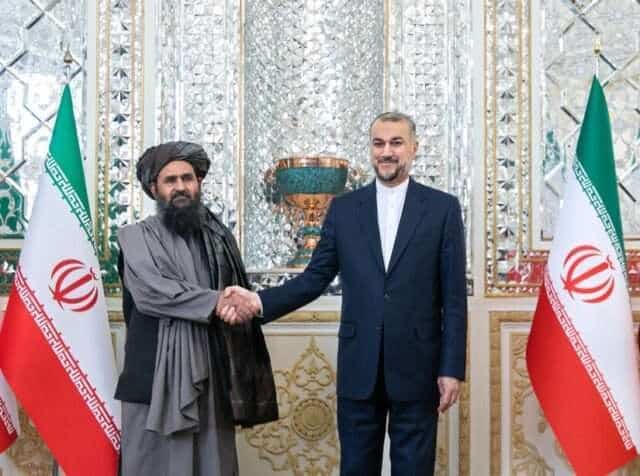
Pakistan has repeatedly engaged Afghanistan through different channels, while countries including Qatar, Turkey, China and others have attempted to facilitate dialogue. Yet the central dispute remains unresolved.
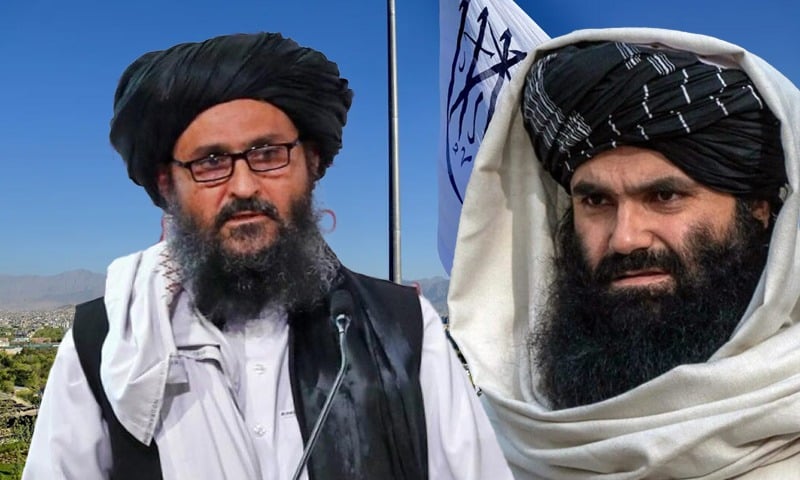
For Pakistan, the core issue is terrorism emanating from Afghan territory, particularly the presence and activity of Fitna al-Khwarij. International assessments have also repeatedly highlighted the presence of numerous armed groups inside Afghanistan.
Trade and border relations cannot be permanently separated from security.
Pakistan and Afghanistan have historically been deeply connected through trade, transit, families and geography. The closure of border crossings and disruption of commercial activity hurt ordinary people on both sides. But reopening trade without addressing the security problem would merely postpone the next crisis.
Dialogue is necessary, but dialogue cannot mean ignoring the fundamental issue.
Pakistan needs a clear commitment from Afghanistan that its territory will not be used against Pakistan. If that issue is not addressed, no amount of diplomatic ceremony will produce a durable relationship.
The lesson from the current crisis is straightforward. Pakistan cannot defeat terrorism through security operations alone, nor can it defeat it through political statements alone. The state must restore its writ, strengthen governance, equip and train its police, improve the judicial and administrative systems, protect communities and maintain sustained pressure on terrorist networks.
And above all, political disagreements must not be allowed to become an excuse for institutional paralysis.
The people of Waziristan, Lakki Marwat, Balochistan and every other affected district deserve something more basic than competing narratives. They deserve a state that is present, capable and determined to protect them.