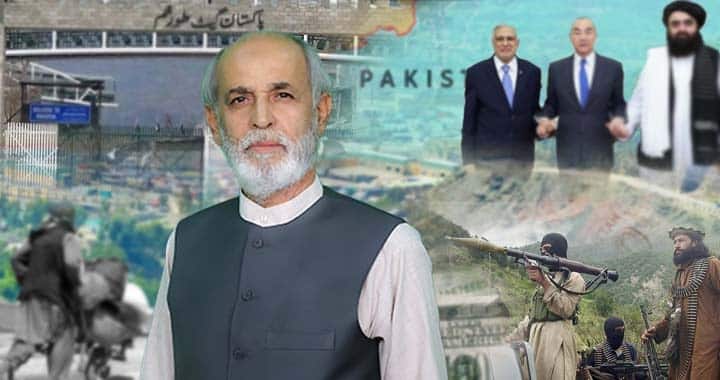
The recent information regarding China’s renewed mediation efforts between Pakistan and Afghanistan did not initially emerge through official channels. Rather, this revelation came from traders who have been directly affected by the prolonged closure of Pak-Afghan trade and border routes.
These traders, who regularly interact with government officials due to their economic concerns, were informed that China has once again started playing a mediatory role between Pakistan and Afghanistan. Both countries have reportedly welcomed this effort, and there are expectations that representatives from the two sides may soon meet to discuss outstanding issues.
The agenda of any such engagement is likely to include the closure of communication channels, restrictions on border movement, restoration of trade activities and reopening of crossings such as Torkham and Chaman.
This initiative is important because the ongoing tension between Pakistan and Afghanistan has caused serious economic damage. The closure of trade routes has affected exporters, importers, transporters, drivers, laborers and ordinary people living in border areas.
For decades, markets in areas such as Landi Kotal remained centers of economic activity, connecting people on both sides of the border. Today, those markets are struggling because thousands of families depended on this trade for their livelihoods.
The losses are not limited to local communities. Pakistan’s exports to Afghanistan have suffered, while Afghan goods entering Pakistan have also been affected. Similarly, transit trade routes connecting Afghanistan with other countries, especially Far Eastern markets, have faced disruption.
However, while economic relations are important, the issue of terrorism cannot be separated from the broader discussion.
Border Openings Alone Cannot End Terrorism
Terrorism in this region is not a new phenomenon. It has continued for decades, affecting both Pakistan and Afghanistan. This is not simply a matter of borders being open or closed. Terrorism survives because of a mindset, networks and facilitators that provide support to extremist organizations.
Groups such as the banned TTP, ISKP and other terrorist organizations continue to benefit from various forms of support. Unless the environment that allows such networks to operate is addressed, terrorist incidents will continue.
The solution requires bringing all stakeholders onboard, including ordinary citizens, political parties and religious circles. No policy can succeed if important sections of society are excluded from the process.
Pakistan witnessed a similar effort through the National Action Plan after the December 2014 tragedy. Had that strategy been implemented completely and consistently, the current security situation could have been different.
The problem has always been implementation. States and institutions often formulate strategies but fail to maintain the political will required for their execution.
The same pattern can be seen in the former tribal areas. When institutional reforms were introduced years ago, the number of terrorists was believed to be limited. Despite years of operations against terrorist groups, the challenge expanded because the underlying mindset and support structures were not completely eliminated.
Until that mindset is defeated, terrorism will continue finding new spaces.
Security Cannot Be Ignored for Political Priorities
The situation in Khyber Pakhtunkhwa also reflects the need for a unified approach. Unfortunately, terrorism does not appear to be receiving the attention it deserves from the provincial government.
The focus of political leadership often remains concentrated on political disputes and power struggles, while security challenges continue increasing.
A serious strategy requires coordination between provincial and federal authorities, along with cooperation from all institutions responsible for security. Terrorism cannot be defeated through statements alone. It requires planning, ownership and practical implementation.
Afghanistan’s New Resistance Landscape
Meanwhile, Afghanistan itself is entering another uncertain phase.
The growing resistance against the Taliban has opened new security challenges. Recent developments in Badakhshan, particularly in Zebak district, indicate that opposition groups remain active against Taliban rule.
The Afghanistan Freedom Front has claimed attacks against Taliban positions, while the Taliban has largely remained silent regarding some of these incidents.
Beyond Badakhshan, resistance activities have also been reported from other areas. The National Resistance Front remains active, while another movement, known as the United Front under Sami Sadat, has emerged in Kandahar.
This indicates that Afghanistan may now be witnessing the emergence of multiple resistance fronts against the Taliban.
However, another cycle of armed conflict cannot bring peace to Afghanistan. The country has already suffered through decades of war, and renewed fighting would create serious consequences not only for Afghans but also for neighbouring countries.
The Afghan issue cannot be resolved through external pressure or by supporting another armed confrontation. The solution lies in political reforms, protection of basic rights and ensuring that Afghan citizens receive their legitimate rights according to internationally recognized principles.
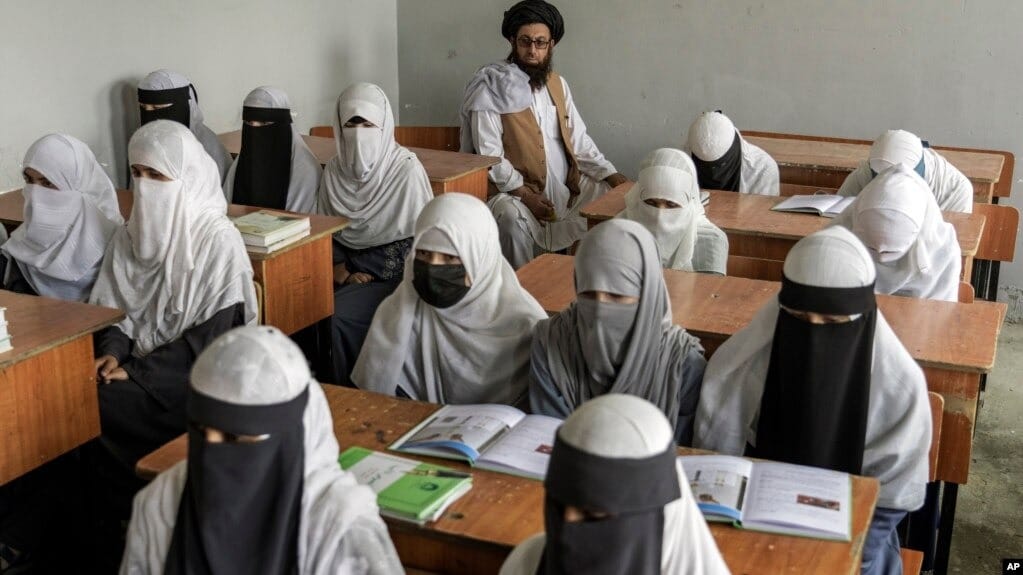
The restrictions imposed on women, limitations on education and absence of political inclusion remain among the fundamental challenges facing Afghanistan.
The exodus of academics and intellectuals from Afghanistan must also be addressed. Those who left the country should be encouraged to return and contribute to rebuilding Afghan society.
The Taliban’s Digital Propaganda Campaign
Another important aspect of the current Afghan situation is the Taliban’s information strategy.
The Taliban’s media structure has existed for decades and became particularly active after 9/11. In the past, the group used CDs, printed material and publications in Urdu, Pashto, Arabic and English to spread its message.
Today, the battlefield has moved to social media.
The Taliban has allegedly created fake accounts, including accounts using female identities, to present the impression that Afghan women support restrictions imposed on them.
These accounts attempt to portray opposition to women’s restrictions as foreign propaganda, while claiming that Afghan women themselves are satisfied with the current situation.
However, many Afghans have reportedly identified these accounts as false, pointing out that the identities used belong to people who are either inactive or unrelated to the accounts being operated.
This digital campaign cannot change the reality on the ground. Restrictions on women’s education, political participation and social freedoms remain issues that continue to generate concern inside Afghanistan and internationally.
Taliban Wants Negotiations and Permanent Border Opening
At the same time, statements from Taliban representatives indicate that Kabul itself is seeking engagement with Pakistan.
The Taliban’s demands from Pakistan appear to revolve around two major issues: negotiations and the border.
They want talks with Pakistan, and they want border crossings reopened in a manner that prevents future closures.
The future of Pakistan-Afghanistan relations will depend on whether both sides can address each other’s concerns honestly.
Trade requires stability. Stability requires security. And security requires trust.
China’s mediation may provide an opportunity, but ultimately the responsibility for meaningful progress rests with Pakistan and Afghanistan themselves.