
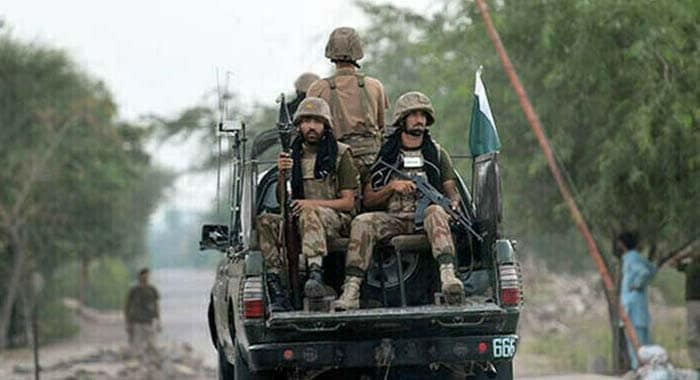
The security landscape in Khyber Pakhtunkhwa is witnessing a significant shift as sustained counterterrorism operations continue to restrict the operational space available to terrorist networks, affecting their ability to coordinate, expand and maintain organized structures.
Recent developments from different parts of the province indicate that terrorist groups are facing challenges not only from direct security actions but also from the pressure created on their overall networks. In Bannu, a major targeted operation resulted in the elimination of 50 terrorists, while recoveries of weapons, ammunition, explosives and other equipment exposed the scale of infrastructure being used to sustain terrorist activities.
The impact of such operations is also becoming visible in the behavior of terrorist factions. Reports of clashes among rival groups in Upper Orakzai, rather than representing an isolated incident, reflect the broader difficulties faced by extremist networks struggling to maintain cohesion amid increasing pressure.
Security analysts believe that when terrorist organizations lose freedom of movement, safe locations and logistical support, internal disputes often become more pronounced. Competition over limited resources, leadership influence and operational space can create further divisions among groups that previously focused their activities against the state.
The current phase of counterterrorism efforts indicates a transition from confronting individual attacks to dismantling the systems that allow terrorist organizations to function. Intelligence-based operations, disruption of facilitators and targeting of support networks have become central elements in preventing terrorist groups from rebuilding their capabilities.
The developments in Bannu and other areas, coupled with signs of internal strain among terrorist factions, suggest that extremist organizations operating in KP are facing a more difficult environment than before. Their ability to launch coordinated attacks, establish influence and maintain stable command structures is increasingly being challenged.
Security forces continue to focus on denying terrorist groups the space required for regrouping, while intelligence-driven operations remain central to efforts aimed at achieving long-term stability across affected districts.



