
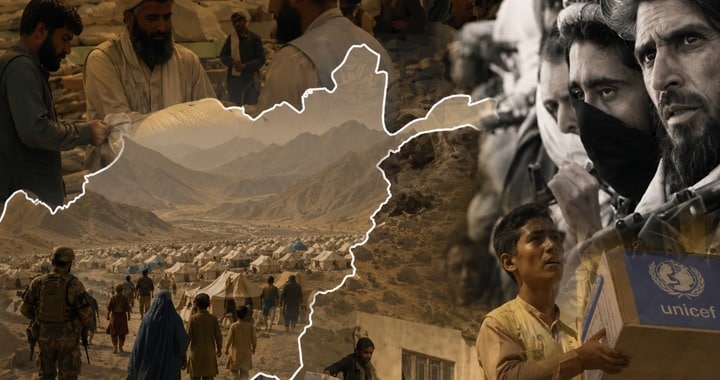
Afghanistan is facing a sharp decline in international humanitarian assistance as growing diplomatic isolation of the Taliban regime, coupled with mounting concerns over corruption and the alleged embezzlement of aid resources, continues to erode donor confidence and credibility, pushing the country’s humanitarian funding to a record low.
According to a report by the Norwegian Refugee Council, humanitarian funding for Afghanistan has dropped to its lowest level on record, with only one dollar available for every six dollars required to meet the country’s humanitarian needs.
The report states that the United States, which previously contributed around 40 percent of Afghanistan’s total humanitarian assistance, has now halted all financial aid, leaving a substantial funding gap for relief operations across the country.
It also notes that Afghanistan has, for the first time, been included in the Norwegian Refugee Council’s list of the world’s most neglected displacement crises, highlighting the deteriorating international response to the country’s humanitarian emergency.
According to foreign reports citing the findings, Afghanistan has now become one of the world’s least-funded humanitarian crises, raising concerns over the ability of aid agencies to continue providing essential assistance to millions of vulnerable Afghans.
Aid experts and international observers have attributed the decline in funding not only to the Taliban’s increasing diplomatic isolation but also to persistent allegations of corruption, diversion of humanitarian assistance and embezzlement of aid resources, factors that have significantly undermined donor confidence in the distribution of assistance.
German analyst on Afghan affairs Thomas Ruttig said the Taliban should not receive diplomatic recognition until they demonstrate, through concrete actions, that they respect the human rights of all Afghans.
Analysts further argue that widespread human rights violations, restrictions on fundamental freedoms, the continued presence of terrorist organizations and allegations of narcotics trafficking have further isolated the Taliban internationally, making governments increasingly reluctant to expand political engagement or financial support.
Humanitarian organizations have repeatedly warned that declining international assistance could deepen Afghanistan’s already severe humanitarian crisis, with millions of people continuing to depend on external aid for food, healthcare and other essential services.



