
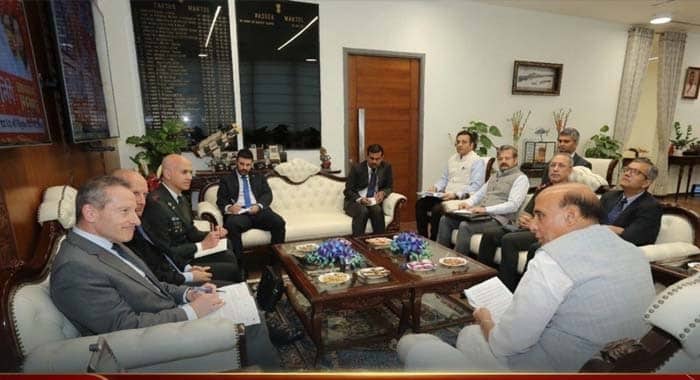
Major General (Retd.) Amir Baram, Director General of Israel’s Ministry of Defence, has arrived in India leading a senior-level delegation, according to diplomatic and regional sources. The visit is being closely watched amid evolving geopolitical dynamics across South and West Asia.
Sources in Kabul have indicated that, during the course of the visit, the Israeli delegation is expected to hold meetings with representatives associated with the Afghan Taliban. While no official confirmation has been issued by the parties involved, the reported engagement has drawn attention due to its potential implications for regional diplomatic alignments and security discourse.
The visit comes at a time of heightened diplomatic activity across the region, including recent developments related to US–Iran engagement initiatives aimed at reducing tensions and exploring avenues for renewed dialogue. Analysts suggest that these overlapping diplomatic movements may reflect a broader recalibration of regional relationships involving multiple stakeholders with complex and often competing interests.
Adding to the evolving regional landscape, Iran’s presidential visit to Pakistan by President Masoud Pezeshkian is also being viewed as a significant development in strengthening bilateral ties and addressing shared concerns related to security, trade, and regional stability. Together, these engagements underscore an active phase of diplomacy marked by increased communication among key regional actors.
Observers note that any potential interaction between Israeli and Afghan representatives would represent a notable development in an already complex geopolitical environment. However, officials across the concerned capitals have not released formal statements confirming the agenda or scope of such meetings.
Diplomatic analysts emphasize that the current wave of engagements reflects broader efforts by regional and international actors to navigate shifting alliances, security challenges, and economic priorities. The situation remains fluid, with further details expected to emerge as the visit progresses.
Authorities and diplomatic observers continue to monitor developments closely, as the outcomes of these high-level interactions may carry implications for regional stability, counterterrorism coordination, and future diplomatic configurations.



