
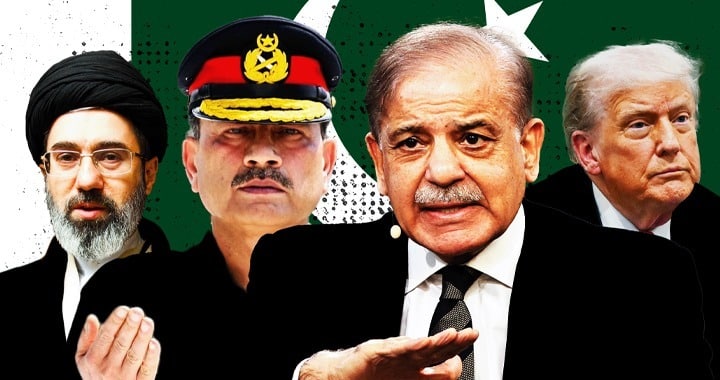
In discussions about Pakistan’s security environment, attention naturally gravitates toward terrorist attacks, intelligence-based operations, border tensions and the continuing challenge posed by groups such as the TTP and Fitna al Hindustan. Yet focusing solely on these threats risks overlooking another important development unfolding alongside them.
At the very moment Pakistan continues confronting terrorism at home, it is increasingly being called upon to play a stabilizing role beyond its borders.
Recent diplomatic activity surrounding efforts to facilitate engagement between the United States and Iran has once again highlighted this reality. Whatever the eventual outcome of those discussions, Pakistan’s participation reflects a broader trend that has become increasingly visible over the past several years.
Pakistan is no longer viewed solely through the lens of its security challenges. It is increasingly being viewed through the lens of its ability to help manage them.
This shift did not emerge overnight.
It is rooted in geography, diplomacy and, perhaps most importantly, experience.
Few countries understand the consequences of regional instability better than Pakistan. For decades, conflicts in Afghanistan, terrorism, refugee crises, cross-border militancy and geopolitical rivalries have directly affected Pakistan’s internal security and economic environment. That experience has produced hard-earned lessons. One of those lessons is that instability rarely remains confined within national borders.
Another is that dialogue, even between adversaries, often remains preferable to prolonged confrontation. These realities help explain why Pakistan continues supporting diplomatic engagement even while confronting serious security threats of its own.
The significance of this balancing act should not be underestimated.
On one hand, security forces remain engaged in sustained counter-terrorism operations across Khyber Pakhtunkhwa and Balochistan. Recent days alone have seen terrorist plots disrupted, commanders neutralized, facilitators arrested and networks exposed. On the other hand, Pakistan continues participating in diplomatic efforts aimed at reducing regional tensions and preventing broader crises.
Both tracks are connected.
A stable region supports internal security۔ A secure Pakistan contributes to regional stability.
Security Credibility Creates Diplomatic Space
There is another reason recent diplomatic developments matter.
Countries rarely trust unstable actors to facilitate stability. Pakistan’s ability to participate in sensitive regional discussions is strengthened when it demonstrates resilience against terrorism and maintains functioning state institutions capable of managing complex security challenges.
This does not mean Pakistan’s security problems have disappeared.
Far from it.
The threats posed by the TTP, Fitna al Hindustan, BLA and other terrorist organizations remain serious. Cross-border facilitation concerns persist. The situation in Afghanistan continues generating security challenges for the wider region. However, recent events also demonstrate that Pakistan is not merely reacting to threats. It is actively shaping the regional environment in which those threats exist.
That distinction is important.
For years, Pakistan was often portrayed primarily as a state confronting instability.
Increasingly, it is being viewed as a state contributing to stability. This evolving role carries strategic benefits. It strengthens diplomatic relevance. It enhances international engagement. It creates opportunities for economic cooperation. And it reinforces Pakistan’s position as an important stakeholder in regional security discussions.
The contrast with developments elsewhere in the region is also noteworthy. While Pakistan continues conducting operations against terrorist networks and supporting diplomatic initiatives, concerns regarding terrorist sanctuaries, extremist facilitation and cross-border violence remain central to discussions involving Afghanistan.
This divergence increasingly shapes regional perceptions.
One side is attempting to reduce tensions and facilitate dialogue. The other continues facing questions regarding the presence and activities of terrorist organizations operating from its territory.
Ultimately, Pakistan’s long-term security strategy cannot rely solely on military success. Counter-terrorism operations remain essential, but they are only one part of a broader national effort. Diplomacy, regional cooperation, economic integration and conflict prevention all contribute to sustainable security.
Recent developments suggest Pakistan understands this reality.
Its security forces continue targeting terrorist threats. Its diplomatic institutions continue supporting regional engagement. Its leadership continues emphasizing stability over confrontation. Taken together, these efforts reveal a country attempting to perform two difficult tasks simultaneously: defending itself against terrorism while helping prevent wider regional crises. In an increasingly volatile region, that may be one of Pakistan’s most significant strategic contributions.



