
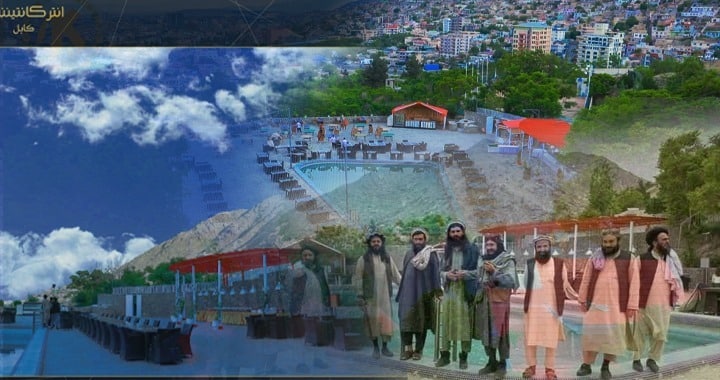
A photograph purportedly showing senior commanders of the Hafiz Gul Bahadur group at a luxury hotel in Kabul has reignited concerns about the presence and freedom of movement enjoyed by Pakistan-focused terrorist networks inside Afghanistan.
According to security sources, the image shows several key figures associated with the Hafiz Gul Bahadur group, including Sadr Hayat alias Abu Sufyan, Commander Jalali, Commander Rahbar Waziristani, Commander Ghazi, and other senior terrorist operatives, gathered at the InterContinental Hotel in the Afghan capital.
The image has drawn attention because the individuals shown are not allegedly hiding in remote mountain hideouts or isolated border regions, but appear to be present in one of Kabul’s most prominent hotels.
Security analysts argue that the reported presence of designated terrorist figures in such a setting raises serious questions about the Taliban administration’s repeated assertions that Afghan territory is not being used by terrorist organizations against neighboring countries.
Officials and observers note that unrestricted movement, open visibility, and access to high-profile locations are difficult to reconcile with claims that terrorist networks are being actively dismantled.
Questions Over Safe Havens
The development is likely to add to Pakistan’s longstanding concerns regarding terrorist sanctuaries inside Afghanistan.
Islamabad has repeatedly maintained that terrorist groups responsible for attacks inside Pakistan continue to benefit from operational space, facilitation networks, and safe havens across the border. Pakistani officials have consistently urged Kabul to take action against such groups, including the banned TTP and affiliated factions.
The latest image is being viewed by many security observers as visual evidence supporting those concerns.
UN Reports and International Concerns
The controversy also comes against the backdrop of multiple reports by the monitoring team of the United Nations Security Council, which have highlighted the continued presence of more than 20 terrorist organizations in Afghanistan.
According to various international assessments, thousands of fighters linked to groups including the banned TTP, Al-Qaeda, Islamic State Khorasan Province, and East Turkestan Islamic Movement remain active within Afghan territory.
Critics argue that despite repeated international calls for action, the Taliban administration has failed to dismantle these networks or prevent them from maintaining a presence inside the country.
Growing Scrutiny
Security observers say the image is likely to intensify scrutiny of the Taliban’s counterterrorism commitments at a time when regional concerns over cross-border terrorism remain high.
For Pakistan, the issue goes beyond a single photograph. Officials have long argued that terrorist violence inside the country cannot be separated from the continued existence of safe havens and facilitation structures across the border.
The reported appearance of senior Hafiz Gul Bahadur commanders in central Kabul is therefore expected to further fuel debate over whether Afghanistan under Taliban rule has become a permissive environment for Pakistan-focused terrorist groups.
Analysts note that if the identities of those in the photograph are confirmed, the image would strengthen concerns that terrorist leaders are not merely surviving in Afghanistan, but operating with a degree of freedom inconsistent with official claims that such groups are being denied space and support.



