
Between 2001 and 2005, suicide attacks in Afghanistan were virtually non-existent only five incidents were recorded across the entire four-year period following the initial international intervention. By 2006 alone, that figure had risen to 123 confirmed attacks. This near-2,400 percent increase in a single year is not the arc of spontaneous radicalisation or organic insurgency. It is the measurable output of an organised, staffed, and operational factory a deliberate industrial escalation driven by structured recruitment, indoctrination, and technical training.
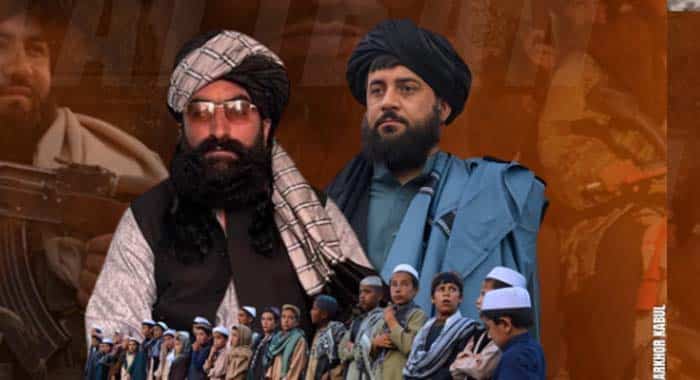
The analysis documents Taliban-maintained training facilities across Kunduz, Badghis, and Sar-e-Pol Provinces where children as young as six years of age were instructed in the installation of roadside explosive devices and prepared for suicide missions. The sourcing of these child operatives follows a documented economic model: most were kidnapped or sold by their own parents, with recorded transaction prices as low as $1,000 per child.
This is not historical. Upon returning to power in August 2021, the Taliban formally established uniformed “martyrdom brigades” integrated directly into the structure of the new Afghan Ministry of Defence. These brigades have been paraded publicly through the streets of Kabul. A kindergarten on the fringes of the capital was converted into a dedicated suicide bombing training school the Badri Special Forces base where fighters openly train for martyrdom operations under state auspices.
The Tehrik-i-Taliban Pakistan (TTP) responsible for attacks against Pakistani cities, military personnel, and civilian markets has established its own training infrastructure across Kunar, Nangarhar, Khost, and Paktika Provinces inside Afghanistan. Al-Qaeda continues to supply ideological guidance and operational support, with confirmed activity recorded as recently as June 2023.
The United Nations Security Council’s own Monitoring Team confirmed in December 2025 that more than twenty international terrorist organisations currently operate openly from Afghan soil. Denmark’s Deputy Permanent Representative to the UN Security Council has placed on the international record that the TTP continues to receive logistical and material support from the de facto authorities in Kabul formally establishing that Pakistan’s primary domestic terrorist threat is being sustained from Afghan territory.
A congressionally mandated Pentagon report confirmed that $7.1 billion in US military equipment was left behind following the 2021 withdrawal. Taliban representatives admitted in a closed UN Security Council session that at least half of this stockpile is now unaccounted for absorbed into illicit networks and black markets operating through Kandahar and Kabul.
Two decades of surviving the world’s most advanced surveillance and precision strike capabilities have produced a singular strategic lesson for these organisations: the hardest target to neutralise is not a fortified compound. It is a building the world will not bomb.
A suicide bomber disguised as an innocent child exploits society’s fundamental and moral reluctance to suspect the vulnerable. A suicide training facility concealed within a school, hospital, or rehabilitation centre exploits the equivalent institutional reluctance to target protected spaces. If schools and nurseries can be absorbed into militant infrastructure, a drug rehabilitation facility located within a former military compound follows precisely the same operational logic.
In each case, the effectiveness one bomber, numerous casualties is compounded by a decisive strategic advantage: the illusion of a non-threat. The cloak that conceals the method. The ambiguity is the point. The ambiguity has always been the point.
This analysis calls upon international policymakers, security agencies, and multilateral institutions to recognise Afghanistan not merely as a failed state but as an active, institutionalised platform for global terrorism one that has mastered the deliberate exploitation of international humanitarian norms as operational cover.
The international community must develop doctrine and policy frameworks adequate to this reality. The cost of continued ambiguity strategic, moral, and human is being borne by civilians around the world.



