
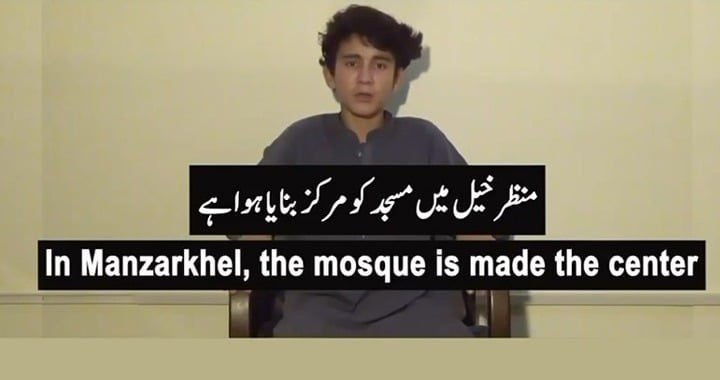
A child rescued during a recent counterterrorism operation in North Waziristan has alleged that he was subjected to repeated sexual abuse while being held by members of Fitna al-Khwarij, shedding light on what observers describe as another disturbing aspect of terrorist activity in the region.
The child, identified as Ikramullah, was among those rescued during Operation Iron Fist-3, a large-scale security operation conducted in and around Miran Shah. According to security sources, an underage orphan was recovered from a terrorist centre in the Palangzai area during the operation.
Speaking after his rescue, Ikramullah alleged that following the death of his father, members of Fitna al-Khwarij took him to a centre in the Manzar Khel area, where he was repeatedly sexually abused.
The child further claimed that several other minors were present at the facility and that they too were subjected to abuse. According to his account, many of the perpetrators were Afghan members of the terrorist network.
Ikramullah said he was later moved to Palangzai, where another member of the group allegedly continued abusing him at a centre established inside a mosque. He stated that multiple terrorists repeatedly assaulted him during his captivity before security forces rescued him during the operation.
The allegations have sparked outrage among local residents and social observers, who say the reported exploitation of children represents one of the most reprehensible crimes associated with terrorist groups operating in the region.
Observers noted that terrorist organizations have long been accused of exploiting vulnerable individuals, particularly children who have lost parents or family support, for various purposes including recruitment, indoctrination, and coercion.
The latest allegations, if substantiated, would add sexual abuse and exploitation of minors to the list of crimes attributed to members of the terrorist network.
Questions Beyond Terrorism
Analysts argue that the allegations highlight an aspect of terrorism that often receives less public attention than bombings and armed attacks. Beyond violence against civilians and security personnel, extremist groups are frequently accused of exploiting vulnerable populations living under their influence or control.
Child protection advocates say orphaned and displaced children are particularly vulnerable in conflict-affected regions, making them easy targets for abuse and manipulation by armed groups.
The allegations regarding the use of a mosque-linked facility have also generated strong reactions, with observers stressing that places of worship should never be used for criminal activities or the exploitation of children.
The testimony emerging from North Waziristan comes as security forces continue operations against Fitna al-Khwarij and associated terrorist networks across the region. While investigations into the allegations are expected to continue, the child’s account has renewed attention on the human cost of terrorism beyond the battlefield.
For many observers, the case serves as a reminder that the impact of terrorist networks extends far beyond attacks and casualties, affecting some of the most vulnerable members of society. They argue that counterterrorism efforts must not only dismantle operational capabilities but also expose and address abuses allegedly committed against civilians living under the influence of such groups.
Authorities have not yet released additional details regarding any investigation into the allegations. However, officials maintain that operations will continue until remaining terrorist hideouts and support structures in the region are dismantled.



