
For nearly five years, the Afghan Taliban have maintained that no group is allowed to use Afghan territory against neighboring countries. However, the continued presence of senior terrorist commanders of the banned Tehreek-e-Taliban Pakistan (TTP) that has been officially declared as Fitna al-Khwarij by the government of Pakistan, the recovery of Afghan-based operational links after attacks inside Pakistan, and recurring intelligence regarding terrorist sanctuaries have consistently challenged that narrative. Information that Pakistani terrorist commanders Wali Badshah alias Zubair Waziristani and Mullah Rehbar Waziristani are allegedly moving through border regions using helicopter transport is likely to further intensify scrutiny of the Taliban’s claims.
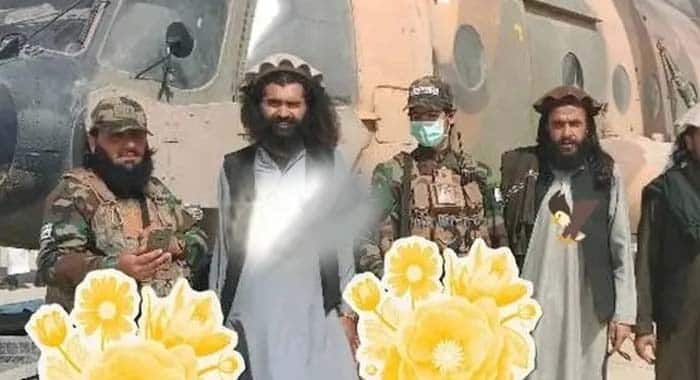
According to security sources, Wali Badshah alias Zubair Waziristani and Mullah Rehbar Waziristani, commanders associated with FAK Ittehad-ul-Mujahedeen Pakistan, are allegedly enjoying access to helicopter transportation in areas close to the Pakistan-Afghanistan border under arrangements facilitated by the Afghan Taliban regime.
If confirmed, such access would represent far more than the provision of sanctuary. Analysts note that the use of helicopters requires significant logistical resources, security coordination and operational freedom, factors that are difficult to reconcile with repeated Taliban assertions that anti-Pakistan terrorist groups are neither active nor supported inside Afghanistan.
The allegation comes amid growing evidence linking multiple terrorist organizations, including the banned Tehreek-e-Taliban Pakistan (TTP), the banned Balochistan Liberation Army (BLA), Majid Brigade and other allied groups, to safe havens across Afghanistan. Pakistani authorities have repeatedly maintained that these organizations benefit from operating space, recruitment networks, training facilities and cross-border mobility from Afghan territory.
Beyond Safe Havens
For years, the debate centered on whether terrorist groups were merely hiding in Afghanistan or actively benefiting from local support structures. Reports of helicopter mobility push that debate into a different category.
Security observers argue that unrestricted aerial movement would indicate a level of protection unavailable to ordinary fugitives or underground organizations. The ability of wanted terrorist commanders to travel through sensitive border regions using aviation assets raises questions about who authorizes, facilitates or overlooks such activity.
The allegation is particularly significant because both commanders are linked to networks hostile to Pakistan and are believed to operate in areas from which terrorist activities have repeatedly been directed against Pakistani targets.
A Question of Credibility
The Afghan Taliban have consistently rejected accusations that Afghanistan is being used against neighboring countries. Taliban officials have frequently insisted that no group is permitted to threaten other states from Afghan soil.
However, critics argue that reports involving helicopter transport create a credibility problem for those claims.
The issue is no longer simply whether terrorist figures are present in Afghanistan. The more pressing question is how individuals accused of leading anti-Pakistan terrorist networks are able to maintain mobility, communications and operational freedom in regions under Taliban control.
For Pakistani security circles, such reports are viewed as part of a broader pattern in which terrorist groups continue to enjoy varying degrees of protection, facilitation and freedom of movement despite repeated diplomatic assurances from Kabul.
As Pakistan continues to press the Afghan Taliban on cross-border terrorism, allegations that wanted terrorist commanders are traveling by helicopter near the frontier are likely to deepen concerns that support networks for anti-Pakistan groups remain intact and active inside Afghanistan.



