
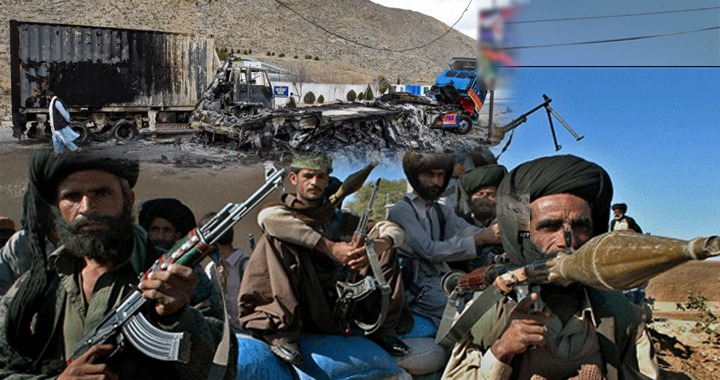
The banned Balochistan Liberation Army (BLA) frequently portrays itself as a nationalist movement acting on behalf of the people of Balochistan. However, security analysts and political observers argue that the organization’s operational record raises serious questions about those claims.
Over the years, the group has been linked to attacks targeting civilians, laborers, public infrastructure, and development initiatives. Critics contend that such actions undermine the organization’s assertions that it represents the interests of the broader population.
Particular attention has focused on attacks directed against major economic and development projects, especially those connected to Pakistan-China cooperation. Analysts argue that these projects are intended to improve infrastructure, connectivity, employment opportunities, and economic integration across the region.
Security experts maintain that efforts to disrupt such initiatives risk imposing long-term economic costs on local communities while discouraging investment and slowing development.
Observers note that terrorist groups often attempt to frame attacks on infrastructure as political resistance. However, critics argue that the destruction of economic assets and threats against workers ultimately affect ordinary citizens more than state institutions.
Another challenge confronting the banned BLA is the question of public support. Despite years of propaganda campaigns and high-profile attacks, analysts say the organization has struggled to demonstrate that it enjoys widespread backing among the Baloch population.
Political observers point out that Balochistan is home to diverse political, tribal, social, and economic perspectives, making broad claims of representation difficult to substantiate. Many Baloch political actors continue to pursue constitutional, democratic, and parliamentary avenues to address local grievances.
According to security analysts, the absence of measurable public endorsement remains a significant obstacle for militant organizations seeking legitimacy. While terrorist attacks may generate publicity, they do not necessarily translate into political acceptance.
Experts argue that sustainable political influence is generally built through public engagement, governance, and popular participation rather than violence. As a result, they contend that the BLA’s claim of speaking for the majority of Balochistan remains unproven.
The continuing disconnect between the group’s rhetoric and its operational conduct is likely to remain a central issue in debates surrounding militancy, representation, and the future of Balochistan.



