
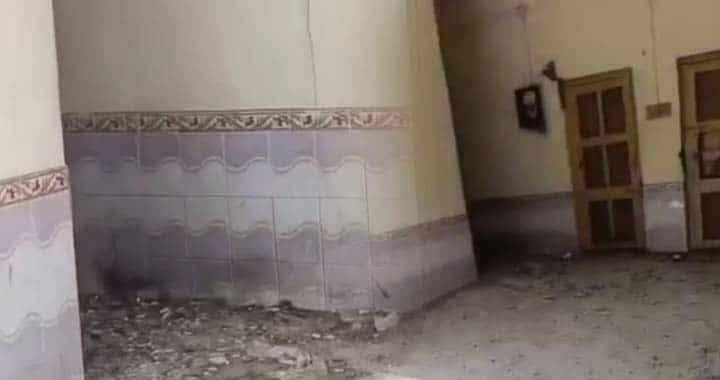
A basic health unit serving residents of a rural area in Bannu was destroyed in a terrorist attack on Friday, highlighting the continued targeting of public welfare infrastructure by Fitna al-Khwarij.
According to local sources, terrorists planted explosive material at the Basic Health Unit (BHU) Badamir Abbas in Mandan village and detonated it, causing extensive destruction to the facility. The attack took place on May 22 and left the healthcare center unusable, depriving local residents of access to essential medical services.
The facility had been providing basic healthcare to surrounding communities, including women, children and elderly residents who depend on such centers for routine treatment and emergency medical assistance.
Officials and local observers described the attack as another example of terrorists targeting institutions that serve ordinary citizens rather than engaging security forces directly. They noted that healthcare facilities, schools and other public-service centers have repeatedly come under attack from terrorist groups seeking to spread fear and disrupt normal life.
A War Against Public Welfare and Community Development
Analysts say the destruction of a healthcare facility reflects a broader pattern in which terrorist groups target symbols of development, education, public health and social progress.
By attacking institutions that provide essential services, terrorists seek to undermine stability, create hardship for local populations and weaken confidence in public infrastructure. Such attacks often have consequences far beyond the immediate damage, affecting healthcare access, education opportunities and community well-being for months or even years.
Security experts note that attacks on civilian infrastructure are frequently carried out because such targets are vulnerable and generate public anxiety. Rather than confronting security forces directly, terrorist groups often focus on facilities used by ordinary citizens in an attempt to maximize psychological impact.
Residents of affected areas have repeatedly condemned such attacks, arguing that the destruction of schools, hospitals, markets and recreational facilities primarily harms local communities already striving to rebuild after years of conflict and instability.
Despite repeated attempts by terrorists to disrupt development efforts, officials maintain that reconstruction and public-service initiatives will continue. They emphasize that the people of Pakistan, together with state institutions, remain committed to expanding healthcare, education and economic opportunities in areas affected by terrorism.
Observers say attacks on facilities such as the BHU in Mandan underscore the stark contrast between efforts aimed at improving the lives of local communities and the actions of terrorist groups seeking to reverse progress through violence and intimidation. They argue that while buildings can be rebuilt, such incidents further expose the anti-development agenda of terrorists who view public welfare and social advancement as obstacles to their objectives.
Authorities have pledged to continue pursuing those responsible and to ensure that efforts to provide healthcare and other essential services to local communities are not derailed by acts of terrorism.



