
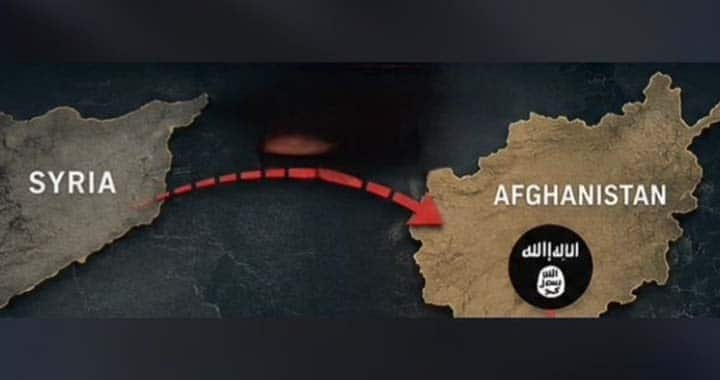
The National Resistance Front (NRF) has claimed that a significant number of fighters, including members allegedly linked to ISIS, have entered Afghanistan from Syria since late January, raising fresh concerns over evolving militant movements and regional security dynamics.
In a statement shared on social media platform X, the National Resistance Front (NRF) alleged that more than 1,500 ISIS-affiliated individuals and over 3,000 militants in total have reportedly been transferred into Afghanistan over the past several months.
The group further claimed that this movement of fighters may be part of a broader strategic realignment involving extremist networks operating across multiple conflict zones. According to the NRF statement, the alleged relocation is linked to efforts by Abu Mohammad al-Julani to temporarily reposition fighters to Afghanistan or Libya, reportedly while seeking relief from international sanctions.
The claims, which have not been independently verified by international monitoring bodies or regional authorities, come amid ongoing concerns regarding transnational militant mobility, shifting insurgent safe havens, and the evolving operational footprint of extremist organizations across the Middle East and South Asia.
Security analysts note that Afghanistan has frequently been cited in regional and international discourse as a potential destination for relocated fighters due to its long-standing instability and limited international oversight since the Taliban takeover in 2021. However, independent verification of such large-scale movements remains extremely challenging due to restricted access and fragmented intelligence reporting.
The NRF’s statement adds to a growing number of assertions by opposition groups and regional actors regarding alleged cross-border militant flows, particularly involving networks linked to Syria’s prolonged conflict and the broader ISIS ecosystem.
Experts caution that if such movements are substantiated, they could have far-reaching implications for regional security, potentially complicating counterterrorism efforts across Afghanistan, the Middle East, and North Africa. However, they also emphasize that current figures remain unverified and should be treated with caution until confirmed by credible independent sources.
International observers continue to monitor developments closely, particularly amid concerns over the reconstitution of militant networks, the potential redistribution of foreign fighters, and the strategic use of fragile states as operational havens.



