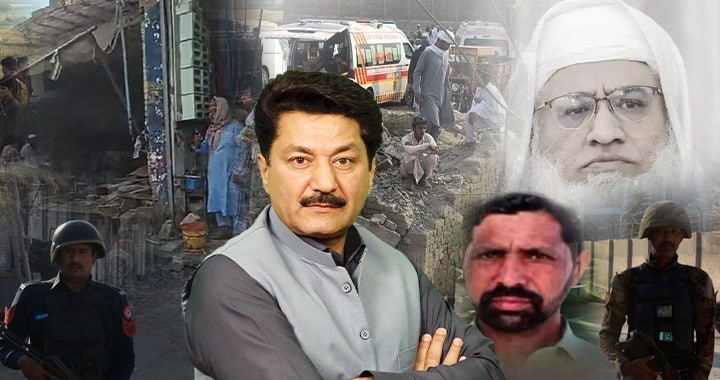
The series of terrorist attacks in Khyber Pakhtunkhwa is not something new. This problem has existed for decades and it is no longer limited to one district or one tribal region. From Chitral to Dera Ismail Khan, the entire province remains exposed to the threat of terrorism, while the situation in Balochistan has its own separate dynamics. In Khyber Pakhtunkhwa, however, the attacks are largely linked to banned terrorist organisations operating from across the border and from various pockets within the tribal belt.
Over the years, Pakistan has carried out numerous operations against these terrorist groups. Large-scale military campaigns, intelligence-based operations and targeted actions continue even today on a daily basis. Thousands of intelligence-based operations have been conducted, yet the threat persists because the nature of this war has changed. Terrorists are no longer confined to remote mountainous regions. Their networks and facilitators attempt to penetrate urban centers and exploit governance gaps, political differences and security weaknesses.
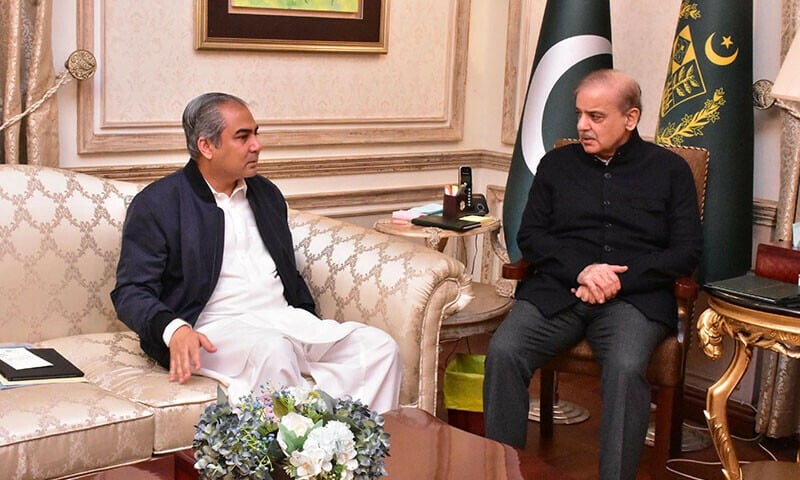
In my view, the biggest issue at the moment is not the absence of operations, but the absence of complete national ownership of this war. There has long been an impression that the federal government and the Khyber Pakhtunkhwa government were not fully aligned on how to tackle terrorism. Questions remained whether the solution lies in negotiations, a full-scale operation, or a hybrid strategy combining intelligence and policing. However, recent meetings and statements suggest there is now greater coordination between Islamabad and Peshawar, which is a positive development because this war cannot be fought in fragments.
After the 18th Amendment, provinces were given major responsibilities regarding policing and internal security. Therefore, questions naturally arise regarding how much the Counter Terrorism Department in Khyber Pakhtunkhwa has been strengthened, how modern its training is, and whether police stations and checkpoints possess the equipment needed to counter heavily armed terrorists.
The reality is that the police have displayed extraordinary courage despite limited resources. In many cases, personnel stationed at vulnerable checkpoints know they may come under attack at any moment, yet they continue performing their duties with determination. Their morale remains high, but morale alone cannot replace modern equipment, fortified infrastructure and rapid-response capability.
The attacks we have seen in places such as Bannu and Sarai Naurang demonstrate that terrorists are now attempting to maximize psychological pressure by targeting civilians, traffic police and public infrastructure. In Sarai Naurang, innocent citizens who had simply come to the market for daily activities became victims of terrorism. These people were not combatants. They were ordinary Pakistanis trying to live their lives. Similarly, the attack in Bannu revealed a disturbing level of planning where roads were blocked, rescue access was restricted and civilian casualties increased because of deliberate terrorist tactics.
Such incidents also expose weaknesses in emergency response systems and local coordination. If nearby police stations and response teams are properly integrated and prepared in advance, the damage from such attacks can potentially be reduced. There is always room for improvement in intelligence coordination, rapid deployment and defensive preparation.
At the same time, this war is not only the responsibility of security forces. Ordinary citizens also play a critical role. We have seen examples where civilians made sacrifices to stop suicide bombers or assisted authorities through vigilance and timely information sharing. Terrorists often hide among civilian populations precisely because they want collateral damage and public fear. Therefore, cooperation between the public and the administration remains essential.
Another important dimension of this issue is Afghanistan. Khyber Pakhtunkhwa shares a long and difficult border with Afghanistan, and naturally the direct effects of instability across the border are felt first in KP and Balochistan before anywhere else in Pakistan. If Afghan soil is used by terrorist organizations against Pakistan, then the consequences will inevitably affect border provinces the most.
When Defence Minister Khawaja Asif stated that there is no difference between Delhi and Kabul in terms of threats against Pakistan, the meaning was quite clear. Pakistan reserves the right to respond against any source of aggression or facilitation of terrorism directed at the country. It was also a message that if conspiracies against Pakistan originate from any territory, then Pakistan will view them seriously regardless of geography.
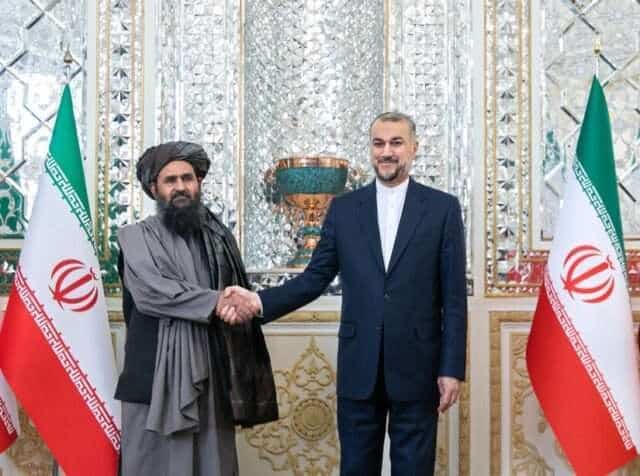
We have repeatedly observed that whenever Pakistan and Afghanistan appear to move toward better diplomatic engagement, terrorist organizations attempt to sabotage that process through fresh attacks. The reason is obvious. If relations improve and Pakistan’s security concerns are genuinely addressed, then these groups lose operational space, recruitment opportunities and safe havens.
This is why these organizations do not want stability between Pakistan and Afghanistan. They understand that improved bilateral cooperation would directly threaten their survival and operational freedom.
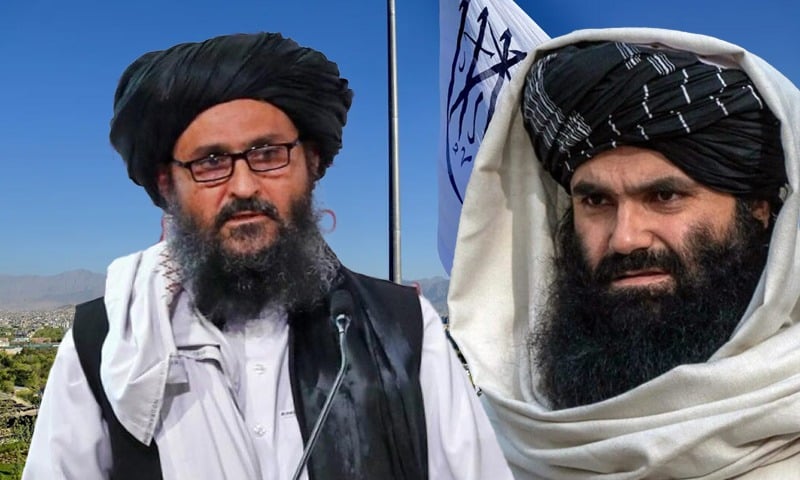
I also believe that recent statements by Mufti Noor Wali Mehsud expose serious contradictions within the narrative of banned terrorist organizations. On one hand, they claim religious justification for violence, while on the other they ask scholars to “explain” whether such violence is permissible. Pakistan’s religious scholars from all schools of thought have already issued unanimous declarations through Paigham-e-Pakistan against terrorism and violent extremism inside the country.
If these organizations were genuinely interested in religious guidance, then they would listen to respected apolitical scholars who have repeatedly declared attacks inside Pakistan unlawful and against Islamic teachings. Instead, their actions continue to target ordinary civilians, police officers, markets and public places.
The reality today is very different from the Afghan jihad era that these groups often try to reference. Pakistan is not under foreign occupation. There is no foreign non-Muslim army occupying the country. Therefore, attempts to misuse religious terminology to justify attacks on Pakistani civilians and institutions have increasingly lost credibility among the public and religious circles alike.
The growing anger after incidents such as the martyrdom of religious scholars, attacks on markets and the killing of innocent civilians has placed additional pressure on these terrorist organizations. Even within religious circles, criticism against these groups has intensified.
If they truly wish to listen to scholars, then there are countless respected ulema speaking openly against terrorism and violence in Pakistan. Yet these groups continue to ignore them because perhaps they do not actually want peace. Perhaps they want the conflict to continue, funding to increase and proxy warfare to remain active.
And if the land of Afghanistan continues to be used in this manner against Pakistan, then ultimately it will also become a major loss for Afghanistan itself and for the Afghan government, and they should think seriously about all these matters.