
The Financial Times has reported that Pakistan is playing a significant behind-the-scenes role in efforts to reduce tensions between the United States and Iran and prevent the ongoing diplomatic process from collapsing amid rising regional friction.
According to the report, negotiations between Washington and Tehran are currently at a delicate and critical stage, facing multiple challenges including a deep trust deficit, ongoing economic sanctions, and recent military escalations in the broader region. These factors, the report notes, have placed considerable strain on efforts to sustain meaningful dialogue between the two sides.
The publication further highlights that Pakistan has emerged as an active intermediary, attempting to maintain communication channels between the two countries at a time when direct engagement remains limited and highly sensitive.
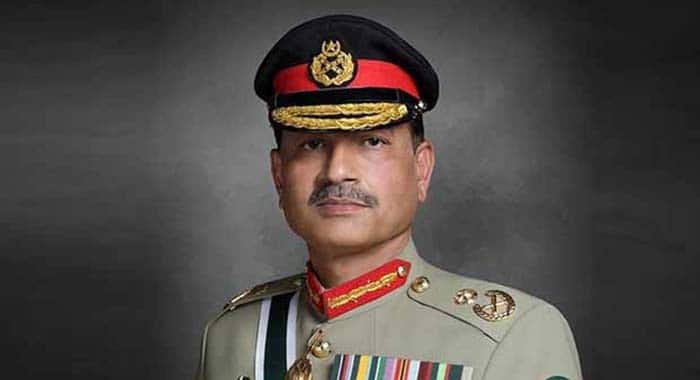
In this context, Pakistan’s Chief of Defence Forces, Field Marshal Asim Munir, has been identified in the report as playing an “important and unconventional role” in supporting diplomatic communication efforts. According to the Financial Times, his involvement reflects a broader attempt to facilitate contact and encourage continuity in discussions between the United States and Iran.
The report suggests that Islamabad’s engagement is aimed at preventing a complete breakdown of negotiations and helping maintain a minimum level of dialogue amid escalating geopolitical pressures. Pakistani efforts, as described, are focused on acting as a communication bridge between the two sides, despite significant diplomatic constraints.
It further notes that the current phase of US–Iran talks remains highly unstable, with limited progress and growing uncertainty over the future of the process. However, continued backchannel engagement is seen as a key factor in preventing further deterioration.
While neither Washington nor Tehran has formally commented on Pakistan’s reported mediatory role, the Financial Times states that such quiet diplomatic efforts reflect broader regional concerns over stability and the potential consequences of a breakdown in negotiations.
Pakistan, according to the report, continues to emphasize regional peace and stability, and remains engaged in supporting diplomatic initiatives aimed at reducing tensions and encouraging dialogue among key stakeholders.



