(Shamim Shahid)
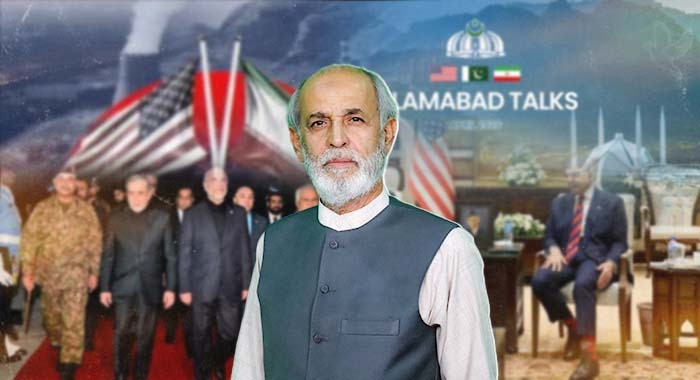
In the constantly shifting landscape of international relations, where rivalries often dominate headlines and mistrust defines engagement, moments of quiet diplomacy tend to go unnoticed until their consequences become impossible to ignore. The recent round of indirect and exploratory talks between the United States and Iran reportedly facilitated in part through behind-the-scenes diplomatic channels involving Pakistan—represents one such moment. Whether these developments will ultimately be remembered as a breakthrough, a missed opportunity, or merely another episode in a long cycle of confrontation remains uncertain. Yet what is clear is that the diplomatic activity surrounding these discussions has already reshaped perceptions of Pakistan’s evolving regional role.
Pakistan, a country often associated with security challenges, internal political transitions, and complex relations with its neighbors, has in recent years attempted to reposition itself as a facilitator rather than merely a participant in regional crises. If the reports of its mediating role between Washington and Tehran are accurate, then this signals a significant though cautious shift in Islamabad’s diplomatic ambition. However, the implications of such engagement extend far beyond bilateral relations; they intersect with the interests of Gulf allies, the strategic calculations of global powers, and the fragile stability of the broader Middle East and South Asia.
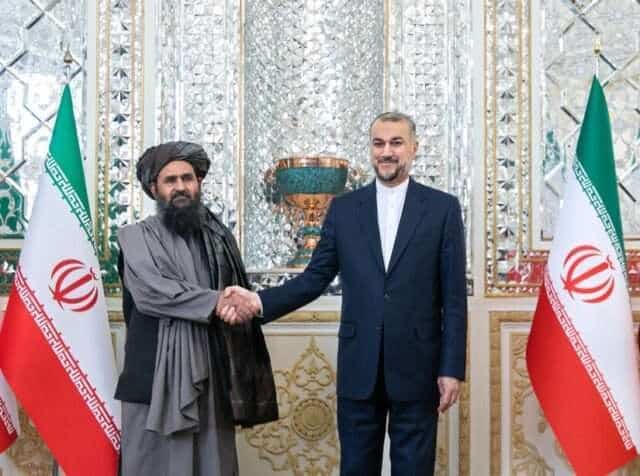
The relationship between Iran and the United States has remained deeply adversarial for decades, defined by sanctions, proxy conflicts, nuclear concerns, and competing visions of regional order. Any dialogue between the two sides, therefore, is inherently fragile and politically sensitive. According to accounts emerging from diplomatic circles, the recent discussions initiated in early April and continuing over several days focused on two central issues: Iran’s nuclear program and regional maritime security, particularly in relation to strategic waterways such as the Strait of Hormuz.
While neither side has publicly confirmed substantive progress, sources suggest that the talks did not collapse but rather entered a suspended phase, with both parties agreeing to maintain a form of informal understanding while leaving room for future engagement. This pattern is not new in Iran–US relations; rather, it reflects a long-standing cycle of escalation, negotiation, partial de-escalation, and renewed uncertainty.
The nuclear issue remains at the heart of the dispute. For Washington, concerns revolve around preventing Iran from acquiring capabilities that could alter the strategic balance in the Middle East, particularly in relation to Israel and Gulf allies. For Tehran, the nuclear program is closely tied to national sovereignty, deterrence, and economic leverage in the face of sanctions. Neither side appears willing to fully compromise, yet both recognize the catastrophic risks of uncontrolled escalation.
The second issue maritime and energy security adds another layer of complexity. The Strait of Hormuz remains one of the world’s most critical energy chokepoints, and any disruption there has immediate global consequences. Reports suggesting discussions around shared influence, taxation mechanisms, or regulatory oversight reflect how economic and strategic interests are deeply intertwined in this region. Iran’s resistance to external control over the strait is consistent with its long-standing position, while the United States and its allies continue to seek mechanisms that ensure uninterrupted maritime flow and strategic stability.
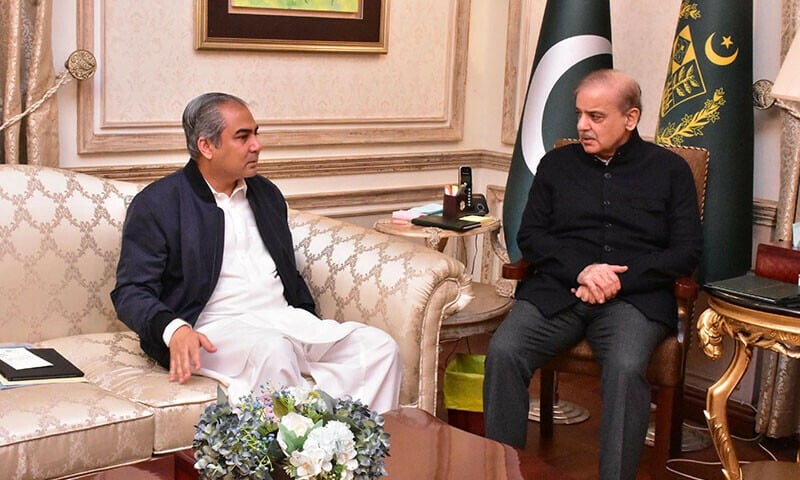
If Pakistan indeed played a mediating role in facilitating contact between Iran and the United States, it would represent one of the most significant diplomatic interventions by Islamabad in recent years. Historically, Pakistan has maintained relations with both Tehran and Washington, though not without periods of strain. Its geographical location, security concerns, and economic dependencies place it in a uniquely sensitive position within regional geopolitics.
The idea of Pakistan as a “bridge” between adversaries is not new. However, successful mediation requires more than geographic proximity or political goodwill; it demands trust, credibility, and the ability to manage competing expectations from powerful stakeholders. In this context, Pakistan’s involvement if confirmed raises important questions about its diplomatic capacity and strategic intent.
On the one hand, such a role could enhance Pakistan’s international standing, demonstrating its ability to contribute constructively to global peace efforts. On the other hand, it also exposes Islamabad to diplomatic backlash from regional allies who may feel excluded from critical negotiations. Reports of dissatisfaction from certain Gulf actors underscore this tension. In international diplomacy, inclusion is as important as mediation itself. When key stakeholders feel sidelined, even well-intentioned initiatives risk generating friction rather than stability.
Moreover, Pakistan’s own internal challenges cannot be ignored. Economic pressures, political instability, and security concerns along its western border all limit its diplomatic bandwidth. Acting as a mediator between two major adversaries is therefore both an opportunity and a burden one that requires careful calibration to avoid overextension.
The reported dissatisfaction among some Gulf countries, particularly the United Arab Emirates, highlights the delicate balance of alliances in the region. Gulf states have historically aligned closely with the United States on security matters, while simultaneously maintaining cautious engagement with Iran. Any perceived shift in diplomatic dynamics especially one that excludes them can generate unease.
At the same time, the Gulf region itself is undergoing a gradual transformation. Several states have shown increasing interest in de-escalation, economic diversification, and regional stability. Diplomatic normalization trends observed in recent years suggest that the region is moving away from rigid bloc politics toward more flexible engagement strategies. Within this context, Pakistan’s mediation if inclusive and transparent could potentially complement broader regional reconciliation efforts. However, if perceived as unilateral or externally driven, it risks deepening mistrust among key partners.
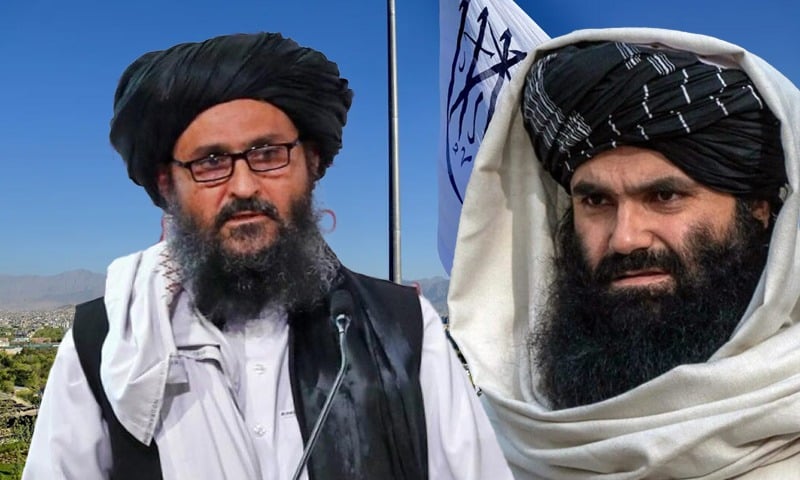
Parallel to developments in Iran–US dialogue, Afghanistan continues to face internal political fragmentation and economic hardship. The post-conflict landscape remains characterized by competing factions, including traditional power structures, former resistance elements, and the ruling establishment. Despite repeated assurances of stability and non-interference, the reality on the ground remains complex.
Reports of discussions in international forums and informal diplomatic channels indicate that while large-scale conflict has been avoided, political consensus remains elusive. Border closures, trade disruptions, and restrictions on movement have further strained relations between Afghanistan and neighboring countries, particularly Pakistan.
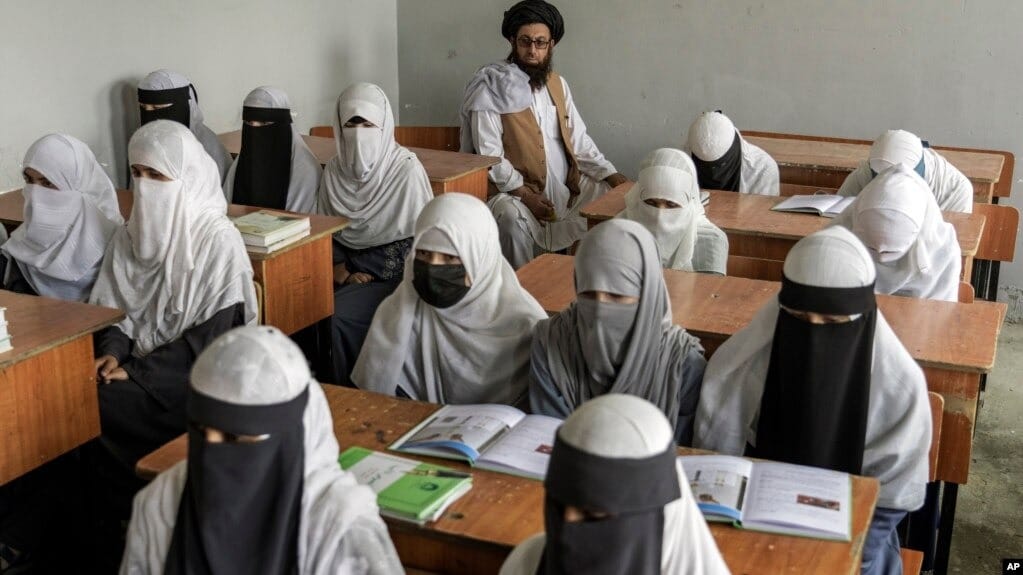
One of the most pressing concerns is the humanitarian and economic impact of these disruptions. Thousands of transport vehicles, traders, and students remain affected by border uncertainties. In regions where livelihoods depend heavily on cross-border mobility, prolonged restrictions can create deep socio-economic distress. Addressing these issues requires pragmatic engagement rather than ideological rigidity.
Afghanistan’s internal divisions further complicate the situation. The absence of a unified political opposition limits the prospects for structured dialogue on governance and national reconciliation. Without inclusive political processes, external actors are unlikely to achieve meaningful influence over Afghanistan’s long-term stability.
Across the Middle East and South Asia, there is growing evidence of what might be described as “conflict fatigue.” After decades of wars, proxy confrontations, and diplomatic breakdowns, many regional and global actors appear increasingly open to negotiated solutions. However, fatigue alone does not guarantee peace. It merely creates an opening that must be carefully managed.
The Iran–US dialogue, fragile as it is, reflects this transitional moment. Pakistan’s involvement real or perceived adds another layer to an already complex equation. Meanwhile, shifting Gulf dynamics, Afghanistan’s internal challenges, and broader global power competition all intersect to shape the possibilities and limitations of diplomacy.
In this environment, no single actor can control outcomes. At best, countries like Pakistan can facilitate communication, reduce misunderstandings, and provide neutral ground for engagement. At worst, missteps can exacerbate existing tensions and complicate already fragile relationships.
The current diplomatic developments involving Iran, the United States, and regional intermediaries should be viewed with cautious optimism rather than exaggerated expectations. History offers numerous examples of talks that began with promise but ended in disappointment. At the same time, it also provides evidence that even limited engagement can prevent escalation and create space for future breakthroughs.
For Pakistan, the challenge lies in balancing ambition with realism. Acting as a mediator is not merely about hosting or facilitating dialogue; it is about sustaining credibility across multiple, often competing, political landscapes. Success will depend not on dramatic announcements, but on quiet persistence, strategic patience, and inclusive engagement with all stakeholders.
Ultimately, the region stands at a delicate juncture. Whether this moment evolves into meaningful transformation or another missed opportunity will depend on the choices made in the coming weeks and months. Diplomacy, after all, is not defined by speeches or headlines, but by the difficult, often invisible work of building trust where none exists.
And in that sense, Pakistan’s emerging role—however limited or contested—deserves attention not for what it claims to achieve, but for what it might still help prevent: another cycle of confrontation in a region already burdened by too many unresolved conflicts.