
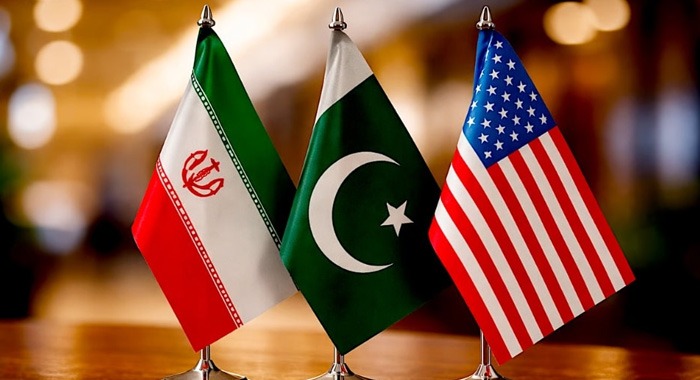
Pakistan is set to host high-level talks between the United States and Iran in Islamabad, in what is being viewed as a significant diplomatic development with far-reaching regional implications.
According to diplomatic sources, the engagement is expected to focus on reducing tensions between Washington and Tehran, particularly in the wake of heightened instability in the Middle East. The choice of Islamabad as the venue reflects Pakistan’s growing role as a credible and balanced interlocutor capable of engaging all sides.
The development underscores Pakistan’s evolving position not merely as a frontline state in the fight against terrorism, but also as an active contributor to regional stability through diplomacy. At a time when conflict dynamics in the Gulf risk triggering wider security consequences, Islamabad’s facilitation of dialogue signals a strategic effort to contain escalation before it spills across borders.
Security analysts note that instability in the Middle East has historically had ripple effects, including the strengthening of transnational terrorist networks through ideological mobilization and covert financial flows. In this context, efforts aimed at de-escalation carry direct relevance for countries like Pakistan, which remain on the frontline against terrorism.
Pakistan’s diplomatic outreach complements its ongoing counterterrorism operations, forming a dual-track strategy that combines engagement with enforcement. While security forces continue sustained operations under Operation Ghazab Lil Haq to neutralize terrorist threats, the state is simultaneously working to reduce the external conditions that enable such threats to persist.
The initiative also comes at a time when broader regional alignments are in flux. With multiple actors engaged in shifting alliances and conflict management, Pakistan’s role as a facilitator highlights its commitment to constructive engagement and principled diplomacy.
Observers believe that while expectations from the talks should remain measured, even incremental progress could contribute to easing regional tensions. For Pakistan, the objective remains clear, preventing the escalation of conflicts that indirectly fuel terrorism, while reinforcing its position as a responsible and proactive regional stabilizer.



