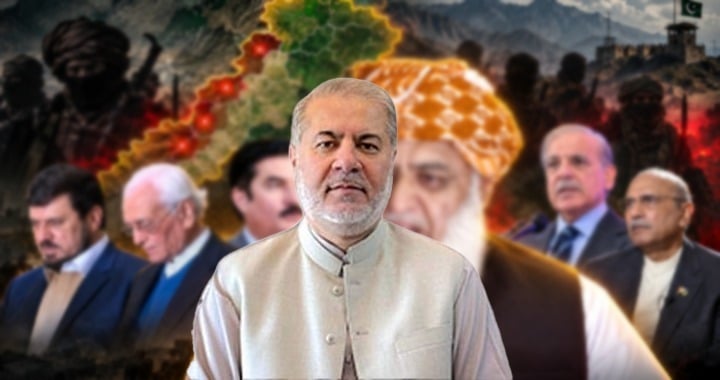
Maulana Fazlur Rehman’s reservations about the imposition of Governor’s Rule and emergency measures in Khyber Pakhtunkhwa must be examined in the context of Pakistan’s wider political culture, where parties often change their positions on national issues depending on whether they are in power or in opposition.
Maulana Fazlur Rehman is among Pakistan’s senior politicians, and his party has made contributions to the country’s political process and democratic continuity. The Jamiat Ulema-e-Islam has also governed in Khyber Pakhtunkhwa and undertaken development work during its time in office. However, the question is whether the positions taken by political leaders on constitutional and security matters are guided by consistent principles or by their immediate political interests.
One of the fundamental problems with Pakistan’s political parties is their increasingly personalized structure. Many operate more like personal or family properties than democratic institutions. Their leaders exercise overwhelming control over party decisions, while members who wish to advance politically often have little room to disagree with the leadership.
A healthy political party should allow its members to express their opinions, debate policy and challenge decisions when necessary. In Pakistan, however, disagreement with a party chief can come at a political cost. The leader’s preference can become the party’s position, and the party’s position is then presented as the national interest.
This weakens internal democracy and makes political debate inconsistent. Issues that demand long-term national consensus, particularly terrorism, constitutional governance and relations with neighboring countries, become entangled in partisan calculations.
Maulana Fazlur Rehman’s objections to Governor’s Rule should be viewed against this background. Political leaders are entitled to question extraordinary constitutional measures, and the removal of an elected government raises serious democratic concerns. I do not believe that dismissing an elected government in this manner should be treated as an ideal solution.
However, it is equally important to remember the political positions parties have taken in the past. When they are part of a government or enjoy influence within the governing arrangement, they may regard the system as acceptable. When they lose that influence, the same arrangement can suddenly become objectionable.
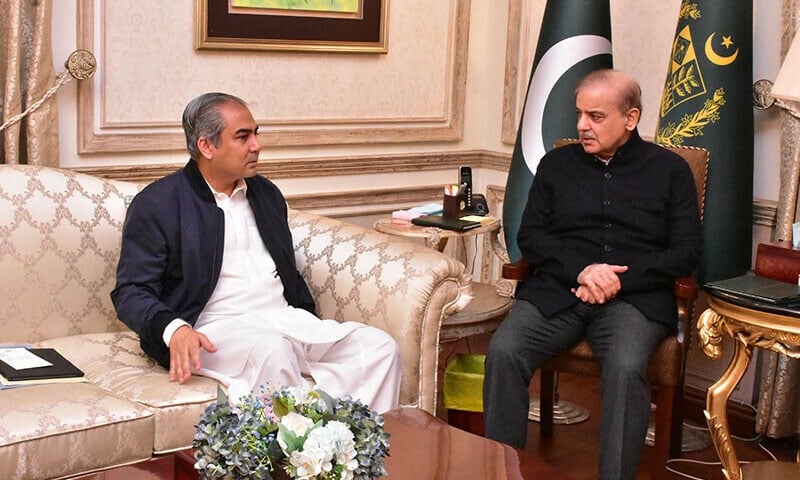
During the caretaker government in Khyber Pakhtunkhwa led by Azam Khan, JUI-F was among the parties that, in my assessment, benefited from important positions. The province’s political arrangements also involved other parties, including the Awami National Party, Pakistan Peoples Party and Pakistan Muslim League-Nawaz. At the federal level, JUI-F was part of the Pakistan Democratic Movement coalition government led by Shehbaz Sharif, and the party held influential positions.
These past arrangements are relevant when assessing present-day political criticism. They do not automatically invalidate Maulana Fazlur Rehman’s concerns, but they make consistency an important question. Political leaders should explain their principles clearly, regardless of whether a decision benefits their own party.
The same inconsistency can be seen in political discourse on terrorism.
For more than two decades, Khyber Pakhtunkhwa and the former tribal districts have faced persistent violence. The security situation has become increasingly dangerous, placing civilians, police personnel, political workers and security forces under immense pressure. Maulana Fazlur Rehman himself has repeatedly spoken about attacks on his party members and the loss of lives among its ranks.
The problem, therefore, is real and cannot reasonably be dismissed as an excuse invented to justify an extraordinary political or constitutional measure.
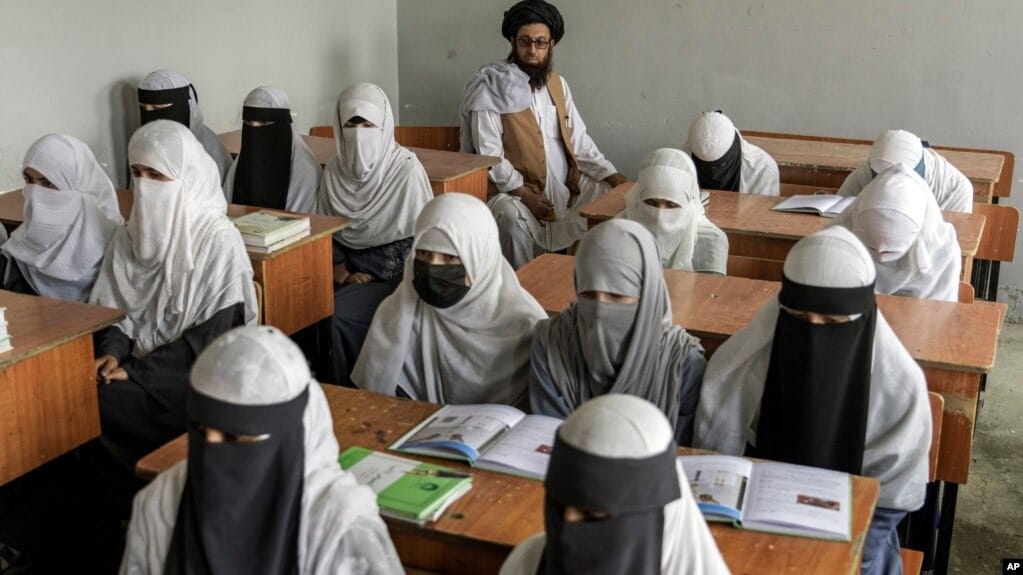
There was once a widespread expectation that the departure of foreign forces from Afghanistan would help bring peace to Pakistan. Later, the Afghan Taliban returned to power, raising further hopes that the relationship between the two countries would improve and that cross-border security concerns would be addressed.
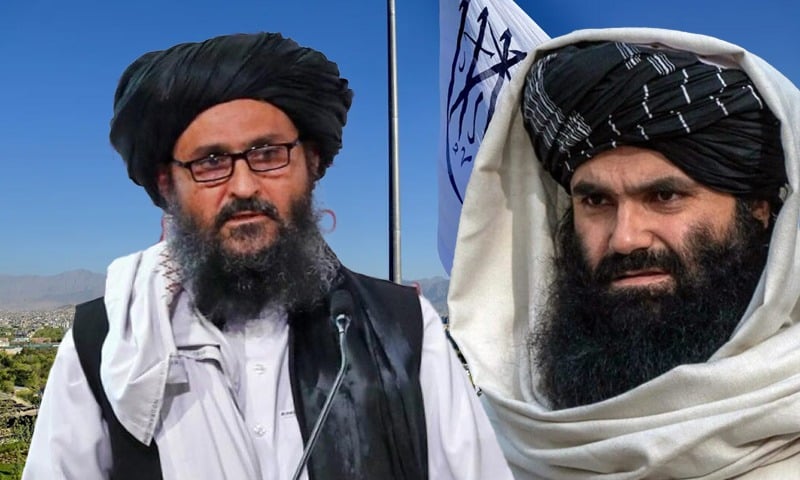
Yet terrorism in Pakistan has increased rather than disappeared. The presence of the Afghan Taliban government has not, by itself, delivered the peace that many had expected. The worsening security situation in KP demonstrates that the problem requires serious attention, effective policy and sustained action.
At the same time, it would be premature to expect a newly installed administration to reverse years of insecurity within a few weeks or months. Controlling terrorism is a major challenge, and no government can credibly promise an immediate solution to a problem that has persisted for 24 or 25 years.
The real question is whether the government can establish a coordinated and sustainable response.
Political parties frequently describe terrorism as a national emergency when they are in power. They speak of the need to eliminate the threat and restore peace. But when they move into opposition, their language can change, with the same conflict portrayed as somebody else’s war or as a struggle driven by external interests.
Such shifts create confusion among the public and undermine the national consensus needed to confront terrorism. Security should not become a political slogan that changes with the fortunes of a government. It is a national responsibility that must remain consistent across administrations.
Security Requires More Than a Constitutional Decision
The first practical test for the new administration is whether it can improve the performance of the institutions responsible for maintaining law and order. Security agencies continue to conduct intelligence-based operations in different areas, while the federal government has provided armored personnel carriers to strengthen the police and committed to supplying additional weapons.
These steps are necessary, but equipment alone will not resolve the problem. The police, the Counter Terrorism Department and the civil administration need adequate resources, training, intelligence support and the ability to work together effectively.
The difficulties are particularly acute in the southern districts and former tribal areas, where police capacity remains limited and the security burden is substantial. Some personnel have been given police uniforms and weapons, but these measures cannot immediately compensate for years of institutional weaknesses or shortages of trained staff and operational resources.
The armed forces and police must therefore continue to coordinate their efforts. There have been examples of joint action in districts such as Bannu and Lakki Marwat, demonstrating the value of cooperation between institutions. If intelligence, policing and military capabilities are brought together under an effective strategy, there is a reasonable prospect of improving the situation.
However, the government must avoid treating the imposition of Governor’s Rule as a solution in itself. A constitutional arrangement can change the chain of administrative authority, but it cannot automatically eliminate terrorist networks, strengthen under-resourced police units or restore public confidence. Those outcomes require sustained work on the ground.
Governor Faisal Karim Kundi now carries a considerable responsibility. He is effectively leading the administration at a difficult time, and public attention will focus on whether his team can deliver measurable improvements.
He must be particularly careful about the people around him. Whenever a new administration takes charge, individuals seeking influential positions may attempt to secure access and use their connections to advance personal interests. Some may be experienced at cultivating relationships and presenting themselves as indispensable, while their real priorities may lie elsewhere.
The governor must ensure that appointments are based on competence and integrity rather than connections or political convenience. He should set the standard himself by avoiding favoritism, refusing improper demands and making decisions in the public interest. Leadership begins with personal conduct, and the example set at the top influences the behavior of the wider administration.
If members of his team engage in corruption, abuse their positions or become involved in wrongdoing, the damage will extend beyond those individuals. The governor’s own credibility will suffer. Careful appointments, transparent decisions and accountability are therefore essential, especially when the administration is expected to demonstrate that extraordinary measures can produce better governance.
The Pakistan-Afghanistan Border Dispute Is Hurting Ordinary People
The security crisis in Khyber Pakhtunkhwa cannot be separated from Pakistan’s deteriorating relations with Afghanistan. Border closures and the suspension of normal trade have imposed significant costs on businesses, traders and ordinary consumers in both countries.
Fruit and vegetable supplies illustrate the consequences. Produce that previously moved directly between Pakistan and Afghanistan has had to take longer routes through Iran. These detours increase transportation costs, extend delivery times and push prices upward. Grapes from Afghanistan that could previously reach Peshawar at comparatively affordable prices have become more expensive because of the additional journey and freight charges.
The effects reach far beyond traders. When transportation becomes more costly, consumers ultimately pay more for food and other goods. Farmers and exporters also lose access to established markets, while businesses dependent on cross-border commerce face uncertainty.
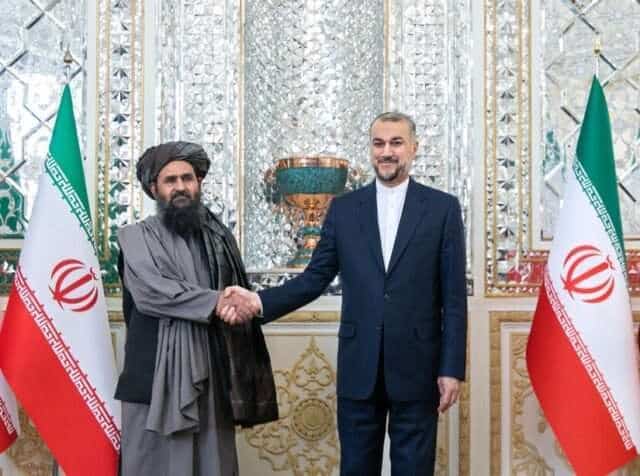
Several countries have reportedly made efforts to ease tensions, but outside mediation cannot substitute for direct engagement between Pakistan and the Afghan Taliban authorities. The two sides must sit together, address their disagreements and establish a workable way forward.
Security concerns must be taken seriously. Pakistan has repeatedly raised concerns about terrorist threats linked to Afghan territory, while incidents along the border have continued to put lives at risk. Recent fighting in the Kurram-Paktia sector, including the martyrdom of a Pakistani soldier, underlines the danger of allowing tensions to persist.
Pakistan possesses a substantial military advantage in conventional capabilities, including aircraft, artillery and armored equipment. Afghanistan does not possess comparable conventional military strength. But this imbalance should not encourage either side to believe that prolonged confrontation is a satisfactory alternative to resolving the dispute.
Both countries share a long border, deep social connections and a history of interaction. Their populations have much to lose from continued hostility. Pakistan has also hosted millions of Afghans over the years, and ordinary people in markets, hospitals and communities have often lived alongside one another without making nationality a barrier to everyday interaction.
That human connection should not be overlooked. Governments may disagree over security, borders and political priorities, but the consequences of those disagreements are borne by ordinary families on both sides.
Pakistan remains capable of helping Afghanistan in difficult circumstances, but meaningful cooperation requires a reciprocal commitment to address the security concerns that have damaged bilateral relations. The Afghan Taliban authorities must recognize that stable relations cannot be built while the two governments remain unable to resolve fundamental security disputes.
Development Must Continue Beyond the Security Crisis
There is another responsibility that must not be overlooked: the development of the southern districts and former tribal areas. These regions have endured years of insecurity and remain in need of infrastructure, public services, employment opportunities and sustained investment.
Political leaders from these areas have often held influential positions, yet questions remain about whether their constituencies have received the development they need. Maulana Fazlur Rehman, whose family members have also held elected office, has faced criticism over the pace of development in areas represented by his party. Such criticism deserves to be assessed through the actual condition of local communities, rather than merely through political rivalries.
The same standard should apply to every political party and government. Former chief minister Ali Amin Gandapur initiated development projects in different areas, and those projects should not be abandoned simply because the administration has changed. If a project serves the public interest and public money has already been invested in it, the government should assess its progress, address any genuine shortcomings and complete it where justified.
Governor Kundi should make continuity of public-interest projects a priority. A change in political authority must not become an excuse to halt work that benefits local residents. Roads, schools, hospitals, water schemes and other essential facilities should be evaluated on their merits, not on the identity of the politician who initiated them.
This is particularly important in areas where poverty, underdevelopment and insecurity reinforce one another. People who lack economic opportunities and reliable public services are already carrying a heavy burden. They should not also have to suffer the consequences of political competition that repeatedly interrupts development.
The Real Measure of Governor’s Rule
Governor’s Rule is not an ideal form of governance. It is an extraordinary arrangement invoked in exceptional circumstances, and its effectiveness should be judged by results rather than announcements.
The new administration must demonstrate that it can improve security coordination, strengthen the police and CTD, support under-resourced districts, prevent corruption and ensure that development projects continue. It must also work toward reducing the impact of the Pakistan-Afghanistan dispute on border communities and the national economy.
None of these objectives can be achieved through political rhetoric alone. Nor can they be delivered by expecting a few weeks of administrative change to undo decades of problems. The task demands patience, institutional cooperation, clear priorities and consistent accountability.
Political leaders, meanwhile, must recognize that terrorism is not an issue to be described differently according to whether they occupy government benches or the opposition. If a threat is serious when one party governs, it remains serious when another party takes office. The same principle applies to constitutional safeguards, public spending and democratic accountability.
Pakistan needs a political culture in which disagreement does not erase consistency, and a security policy that survives changes in government. It needs institutions that are adequately equipped, officials who are held accountable and political leaders who put public welfare ahead of personal or party advantage.
Governor Kundi has an opportunity to demonstrate that the administration can deliver tangible improvements under difficult conditions. But the responsibility does not rest on his shoulders alone. Federal authorities, provincial institutions, political parties and security agencies all have roles to play.
Ultimately, the people of Khyber Pakhtunkhwa will judge this arrangement not by the political arguments surrounding its introduction, but by whether they become safer, whether public services improve and whether their long-neglected areas finally receive the development they deserve.