(Shamim Shahid)
The recent de-escalation between global powers has once again reminded the world of a simple but often ignored truth: war benefits no one. While international attention has been drawn to conflicts elsewhere, closer to home, the fragile and often strained relationship between Pakistan and Afghanistan remains a matter of deep concern. The rhetoric emerging from Kabul presents a mixed picture one that reflects both reassurance and contradiction—and underscores the urgent need for clarity, trust-building, and sustained diplomatic engagement.
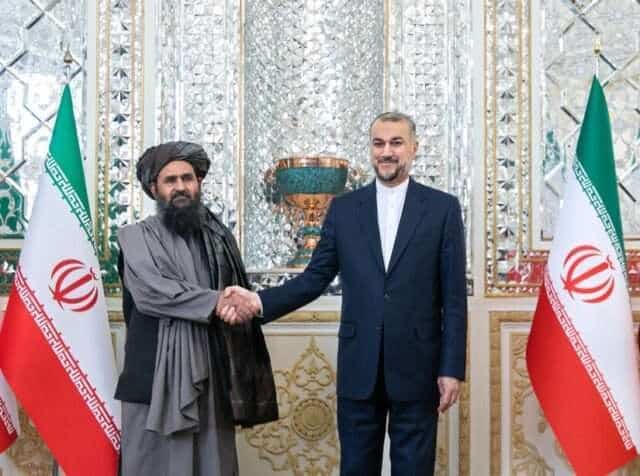
At the center of this complexity are differing statements from key Afghan leadership figures. On one hand, Afghanistan’s acting foreign minister has reiterated a familiar and reassuring stance: Afghan soil will not be used against any other country. This commitment, though welcome, is not new. Similar assurances have been made in the past, yet concerns persist in Pakistan regarding cross-border militancy and the presence of armed groups that continue to pose security threats.
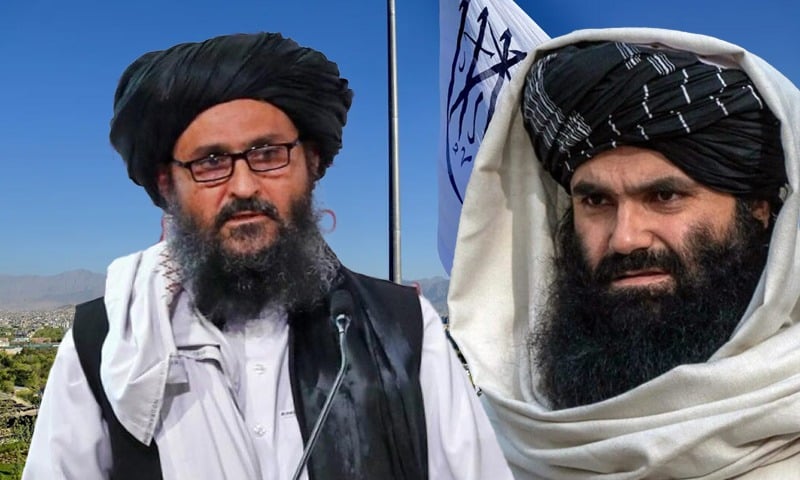
On the other hand, statements from influential figures within Afghanistan’s power structure suggest a different approach. The argument that militancy linked to Pakistan is an “internal matter” for Islamabad, coupled with the characterization of certain groups as “guests,” raises serious questions about Kabul’s willingness or ability to address these concerns decisively. This divergence in messaging is not merely rhetorical; it reflects deeper structural and ideological differences within Afghanistan’s governing framework.
It would be naive to assume that Afghanistan’s political landscape is monolithic. There are factions, perspectives, and internal dynamics at play. While these may not constitute formal divisions, they do influence policy direction and external relations. The lack of a unified, consistent stance complicates Pakistan’s efforts to engage constructively and fuels mistrust at a time when cooperation is most needed.
History offers a sobering reminder of the consequences of ambiguity. The principle of hospitality, deeply rooted in Afghan culture, has at times been invoked to justify the presence of controversial figures and groups. While cultural values deserve respect, their application in matters of international security has previously led to devastating outcomes not only for Afghanistan but for the broader region.
Today, the stakes are just as high. The ongoing tensions are not confined to military or political spheres; they have profound human and economic implications. Across the region, the ripple effects of instability are being felt. Workers returning from Gulf countries, rising inflation, and shrinking economic opportunities are realities that ordinary citizens must grapple with daily. Pakistan, like many other countries, is bearing the indirect costs of conflicts beyond its borders, further straining an already fragile economic situation.
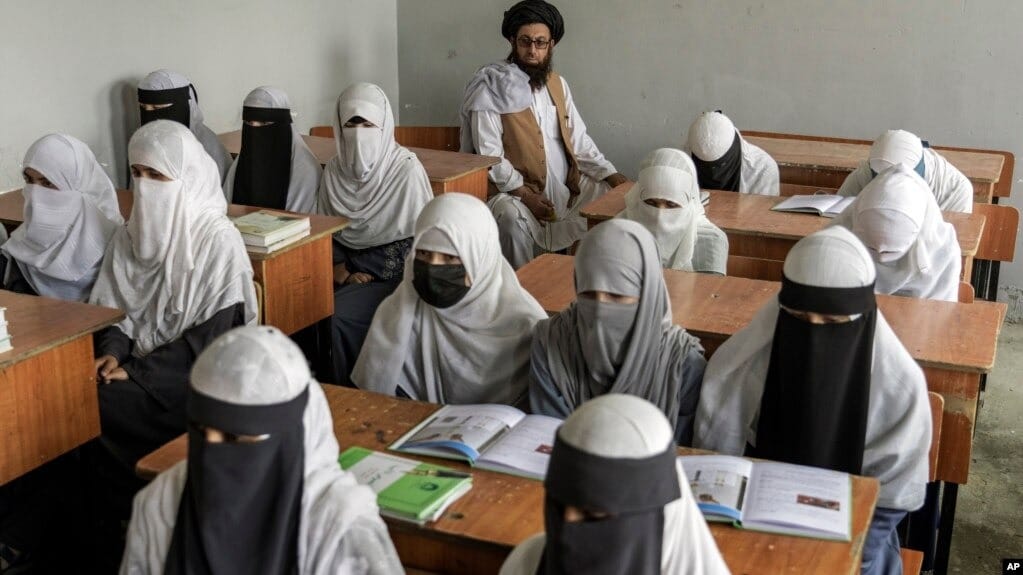
Equally concerning is the humanitarian dimension of strained Pakistan-Afghanistan relations. Thousands of Afghan families who have lived in Pakistan for decades now face uncertainty. Among them are children born and raised in Pakistan, educated in its schools, and integrated into its society. For these young individuals, the prospect of relocation to an unfamiliar environment where educational opportunities, particularly for girls, are limited—poses significant challenges.
It is crucial to recognize that the desire for peace is overwhelmingly shared by the people of both nations. The vast majority of Pakistanis and Afghans do not seek conflict; they seek stability, prosperity, and the opportunity to build better futures for their families. Trade, education, and cultural exchange not confrontation are the aspirations that unite them.
However, public sentiment alone cannot drive policy. What is needed is a deliberate and sustained effort to rebuild trust between Islamabad and Kabul. This is perhaps the most critical and most difficult—task at hand. Trust cannot be restored overnight, nor can it be achieved through statements alone. It requires tangible actions, consistent policies, and open channels of communication at multiple levels.
In this context, the role of regional actors becomes particularly significant. China, in particular, has emerged as a key proponent of dialogue and stability in the region. Its strategic interests are closely tied to peace, as economic initiatives and connectivity projects depend on a secure environment. China’s efforts to facilitate dialogue between Pakistan and Afghanistan should be viewed as an opportunity one that both countries must seize with sincerity and commitment.
Yet, mediation alone is not a panacea. The fundamental issues that divide Pakistan and Afghanistan are deeply rooted and multifaceted. Border disputes, for instance, are not recent developments; they date back more than a century, shaped by historical agreements and contested interpretations. Resolving such issues requires patience, flexibility, and a willingness to engage in difficult conversations.
Moreover, there is the challenge of external and internal actors who may not have an interest in improved relations. These “third parties,” whether motivated by geopolitical considerations or ideological agendas, can exploit tensions and undermine peace efforts. Both Pakistan and Afghanistan must remain vigilant and ensure that their bilateral relationship is not held hostage by forces seeking to perpetuate instability.
The path forward, therefore, must be comprehensive. It should include not only high-level diplomatic engagement but also initiatives that involve civil society, political parties, and religious leaders. The shared cultural and ethnic ties between the people of the two countries Pakistan particularly among Pashtun communities can serve as a powerful foundation for reconciliation and mutual understanding.
Confidence-building measures should be prioritized. These could include mechanisms for intelligence sharing, coordinated border management, and joint efforts to address security concerns. At the same time, economic cooperation should be expanded, creating incentives for peace and interdependence.
Importantly, both sides must move beyond blame narratives. While it is easy to attribute responsibility to the other, such an approach is counterproductive. Constructive engagement requires acknowledging concerns, addressing them sincerely, and working collaboratively toward solutions.
The international community also has a role to play, but it must be supportive rather than prescriptive. External pressure alone cannot resolve bilateral issues; in some cases, it may even exacerbate them. What is needed is encouragement for dialogue and support for initiatives that promote stability and development.
Ultimately, the choice facing Pakistan and Afghanistan is clear. They can continue along a path of suspicion and sporadic confrontation, or they can commit to a future defined by cooperation and mutual respect. The latter is undoubtedly more challenging, but it is also far more rewarding.
A ceasefire, if achieved, would be a significant step forward. However, it should not be seen as an end in itself. Rather, it must serve as a foundation for broader engagement and long-term peacebuilding. Without addressing the underlying issues, any cessation of hostilities will remain fragile and temporary.
The time has come for both nations to rise above short-term considerations and focus on the bigger picture. Peace is not merely the absence of conflict; it is the presence of trust, opportunity, and shared purpose. For Pakistan and Afghanistan, achieving this vision will require courage, compromise, and a steadfast commitment to dialogue.
War, as history has repeatedly shown, is a losing proposition. Dialogue, despite its challenges, remains the only viable path forward. The question is not whether peace is possible it is whether the leadership on both sides is willing to pursue it with the seriousness and sincerity it demands.
The people of Pakistan and Afghanistan deserve nothing less.