
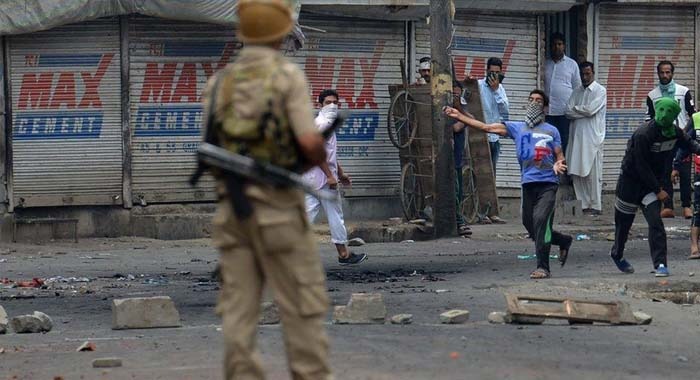
Recent reports indicate a sharp increase in aggressive operations by Indian forces in Indian-occupied Jammu & Kashmir (IOJ&K), with incidents emerging from Arhama and Ganderbal, while tensions have spilled over into Rawalakot in Azad Jammu & Kashmir (AJK). These actions reflect a broader pattern of provocations that continue to destabilize the region.
Historical evidence suggests that India’s operations in Kashmir are often orchestrated to create false narratives and manipulate international perception. Events such as the 2001 Indian Parliament attack, the 2019 Pulwama attack, and earlier false-flag incidents in Pahalgam illustrate a consistent strategy of escalation and externalization of internal crises.
Analysts highlight India’s deepening alignment with Israel in counterinsurgency, surveillance, and military strategy, which has further enabled aggressive tactics in the region. This strategic convergence is intensifying regional insecurity and complicating efforts to achieve lasting peace.
The people of Kashmir continue to endure the consequences of these operations. Pakistan emphasizes that their repeated calls for international attention, accountability, and the right to self-determination remain unmet, as India continues to prioritize military intimidation over dialogue or humanitarian obligations.
The timing of India’s escalatory actions coincides with Pakistan’s active engagement in global peace initiatives, raising questions about the intent behind such provocations. Pakistan urges the international community to scrutinize these developments carefully, ensure adherence to international law, and recognize the impact of India’s aggressive policies on regional stability.
While India seeks to control narratives through rapid propaganda, the pursuit of truth, justice, and human rights demands measured assessment and international vigilance.



