
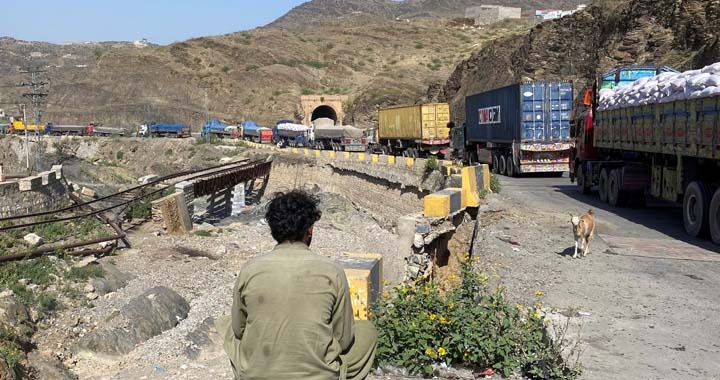
Afghanistan’s geographic position as a bridge between South Asia, Central Asia, and the Middle East makes its internal instability a direct challenge for Pakistan’s strategic and economic interests. Beyond immediate security threats, the country’s deteriorating governance and economic collapse are transforming its transit corridors into pressure points, where control of trade, connectivity, and strategic pathways is increasingly contested.
Projects such as CPEC extensions and regional trade linkages depend on stability in Afghanistan to function effectively. Analysts note that any disruption in Afghan transit networks, whether through conflict, infrastructure collapse, or militia control, reverberates directly across Pakistan. Khyber Pass, Chaman, and Spin Boldak, historically lifelines of regional commerce, are now vectors for both economic disruption and cross-border security risks.
The operational vacuum within Afghanistan has allowed various factions, including Taliban-linked groups and criminal networks, to assert control over transit nodes. These actors not only extract illicit revenue from trade flows but also leverage these corridors to facilitate the movement of militants, weapons, and narcotics into Pakistan. Intelligence reports suggest that over 40% of illicit cross-border movements exploit poorly monitored transit corridors, exacerbating Pakistan’s CT burden.
Experts stress that the corridor dynamic is both economic and strategic. Pakistan faces a dual challenge: ensuring that legitimate trade and regional connectivity continue while preventing the militarization of transit routes. Any loss of control in Afghanistan effectively turns corridors meant for commerce into avenues for destabilization, giving competing regional powers leverage over trade and strategic influence.
Regional competition adds urgency. China, Russia, and Iran are expanding diplomatic and economic footprints in Afghanistan, seeking preferential access to corridors and resources. For Pakistan, this creates a delicate balancing act: securing borders, protecting economic interests, and preventing strategic encirclement, all while managing ongoing security threats emanating from corridor control points.
The Corridor Pivot
Analysts argue that Afghanistan is no longer just a neighbor in crisis—it is a strategic battleground whose internal dynamics directly affect Pakistan’s economic resilience and security posture. Proactive engagement, calibrated border management, and coordination with regional partners are essential to prevent these corridors from becoming vectors of structural insecurity.
Without intervention that blends political, economic, and security strategies, Pakistan risks seeing its economic gateways transformed into pressure points, with cascading effects on trade, border security, and regional influence.



