
Hassam Uddin
One month has passed since the outbreak of open hostilities between the United States, Israel, and Iran, a conflict that began on February 28, 2026, and has left a devastating trail of casualties, economic disruption, and regional instability. The confrontation has directly impacted Iran, the United States, Israel, and Gulf countries, while its reverberations continue to be felt across the global security and energy landscape.
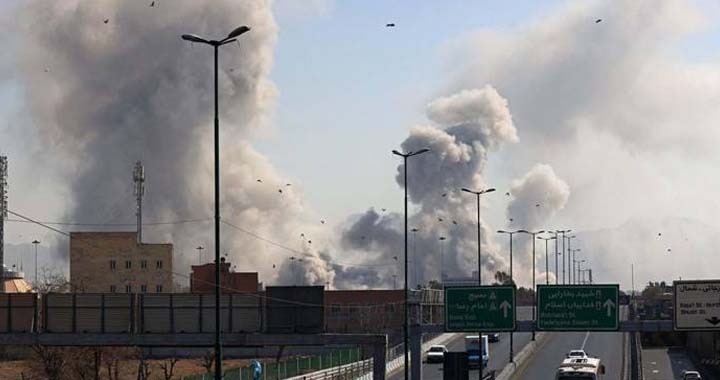
The conflict began with a coordinated U.S.-Israel aerial strike targeting Iran’s nuclear and military infrastructure in Tehran, Isfahan, Natanz, and other key cities. Strategic sites, including nuclear facilities at Natanz and Fordow, ballistic missile depots, and Revolutionary Guard command centers, were reported as primary targets. Early reports also suggested that Iran’s top leadership, including Supreme Leader Ayatollah Ali Khamenei and senior military commanders, were among the casualties. Tragically, one missile strike on a girls’ school in Minab, Iran, reportedly claimed the lives of 170 students, drawing global condemnation.
In immediate retaliation, Iran launched “Operation Promise of Truth 3”, targeting U.S. bases and Israeli positions in the Gulf with hundreds of drones and ballistic missiles. The first week of the conflict saw over 1,000 targets in Iran struck by U.S. and Israeli forces. Disruption to global energy markets followed after a missile strike on the Ras Laffan LNG plant in Qatar, driving oil prices from $70 to over $90 per barrel. Civil aviation across the region was also severely restricted.
During the second week, the conflict expanded beyond Iran’s borders to Lebanon, Syria, and Iraq. Hezbollah launched rocket attacks on Israel, while Israeli forces conducted heavy bombardments in Beirut. Iran closed the Strait of Hormuz, targeting commercial vessels and critically impacting global trade. Simultaneously, Houthi forces in Yemen and U.S. bases in Iraq were attacked, resulting in both military and civilian casualties. U.S. forces also suffered losses from accidents and incidents of friendly fire.
The third week witnessed direct missile strikes on Tel Aviv and Jerusalem by Iran, testing Israel’s defense systems. Both nations also engaged in cyber warfare, affecting critical sectors, including electricity grids and banking systems.
By the fourth week, the conflict saw partial stalemate but continued airstrikes, alongside limited diplomatic gestures. Pakistan and several other nations attempted to mediate and de-escalate tensions, though hostilities remained intermittent.
Human and Economic Toll
- Iran: Over 1,400 civilian deaths, thousands injured, approximately 800 military personnel killed.
- Israel: 16 dead, over 1,500 injured.
- United States: 13 military personnel killed, over 300 injured.
- Lebanon: 1,340 dead, thousands injured, and hundreds of thousands displaced.
- United Arab Emirates and Gulf States: Casualties reported from missile and drone attacks.
Thousands of Iranian military sites were reportedly destroyed, while Iran’s retaliatory strikes inflicted billions of dollars in damage on U.S. bases and Gulf energy infrastructure. The closure of the Strait of Hormuz caused oil prices to spike to $115 per barrel, severely impacting global trade and energy security.
Looking Ahead
While U.S. officials claim Iran’s defensive capabilities have been significantly degraded, experts caution that Iran retains the ability to conduct long-range missile operations. The true extent of damage to Iran’s nuclear program remains unclear, leaving the region on edge.
This ongoing conflict represents not only a major regional security crisis but also a challenge to the global economy, with potential ripple effects expected to continue in the coming months. International actors continue to monitor the situation closely, emphasizing the urgent need for de-escalation to prevent further civilian casualties and strategic disruptions.



