
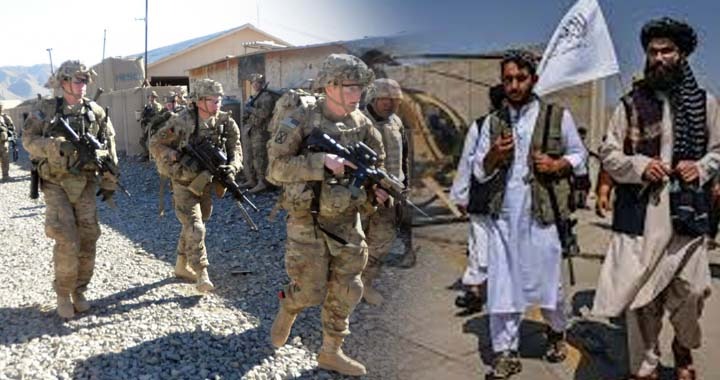
Afghanistan’s prolonged instability has created a strategic vacuum that is rapidly becoming a focal point for regional and global power competition, with direct implications for Pakistan’s geopolitical positioning.
In the absence of cohesive international engagement, multiple actors are seeking to expand their influence across Afghanistan’s economic, political, and security landscape. Analysts note that this emerging competition is not merely about influence, but about securing long-term strategic advantages, including access to trade corridors, intelligence networks, and critical resources.
For Pakistan, the implications are both immediate and complex. The country’s geographic proximity places it at the center of this evolving dynamic, where competing interests intersect with its own security and economic priorities. The potential for Afghanistan to serve as a transit hub linking South Asia, Central Asia, and the Middle East adds further significance to the unfolding situation.
However, the same vacuum that attracts strategic interest also amplifies risk. Weak governance structures and limited regulatory oversight create an environment where both state and non-state actors can operate with minimal constraint. This increases the likelihood of proxy competition, with rival actors potentially leveraging militant groups to advance their objectives.
The Strategic Pivot
Afghanistan is no longer just a fragile state; it is a contested strategic space where influence is being recalibrated in real time.
Experts emphasize that Pakistan must navigate this environment with a calibrated approach, balancing engagement with caution. Strengthening regional partnerships, enhancing diplomatic outreach, and securing economic corridors are seen as critical steps to mitigate risks while capitalizing on emerging opportunities.
As the vacuum persists, the trajectory of Afghanistan will increasingly shape regional alignments, making it a defining factor in South Asia’s strategic future.



