
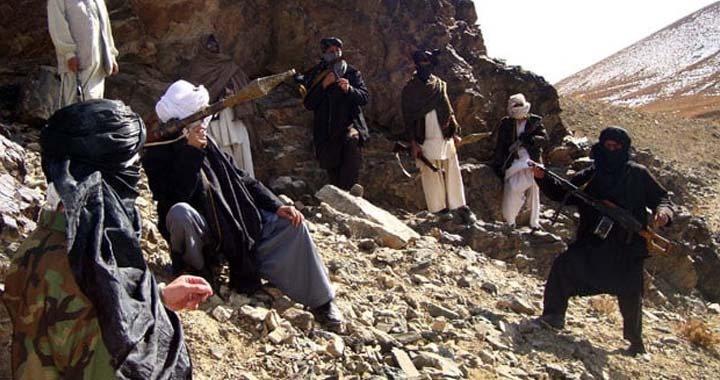
The persistence of terrorist safe havens inside Afghanistan has emerged as one of the most pressing security challenges facing Pakistan, with intelligence assessments indicating a steady expansion of cross-border terror networks operating with increased operational freedom.
Security officials point to the continued presence of the banned Tehreek-e-Taliban Pakistan (TTP) and the Balochistan Liberation Army (BLA) within Afghan territory, where these groups are believed to maintain training camps, logistical hubs, and command structures. These sanctuaries have enabled militants to regroup and intensify attacks targeting Pakistan’s security forces and civilian population.
The evolving threat environment is closely linked to Afghanistan’s governance vacuum. The absence of an inclusive political framework, combined with limited institutional oversight, has created permissive conditions for militant activity. Analysts argue that ideological rigidity within the Afghan setup has further reduced the likelihood of decisive action against such groups, allowing them to operate with relative impunity.
Recent patterns suggest a shift in tactics, with militants increasingly leveraging cross-border mobility to evade detection. Attacks are often planned within Afghan territory and executed across the border, complicating Pakistan’s counterterrorism operations. Border regions in Khyber Pakhtunkhwa and Balochistan remain particularly vulnerable, with security forces engaged in continuous operations to disrupt infiltration routes.
The Security Pivot
At the core of this challenge is a structural transformation in the threat landscape: Afghanistan is no longer just a source of instability; it is becoming an operational depth for anti-Pakistan militant networks.
Experts warn that without coordinated regional mechanisms and verifiable commitments from Afghan Taliban; these safe havens will continue to fuel violence. Pakistan’s strategic response now hinges on a combination of border fortification, intelligence-led operations, and sustained diplomatic pressure aimed at dismantling militant infrastructure across the border.
Failure to address these sanctuaries risks entrenching a cycle of cross-border terrorism that could destabilize the region for years to come.



