
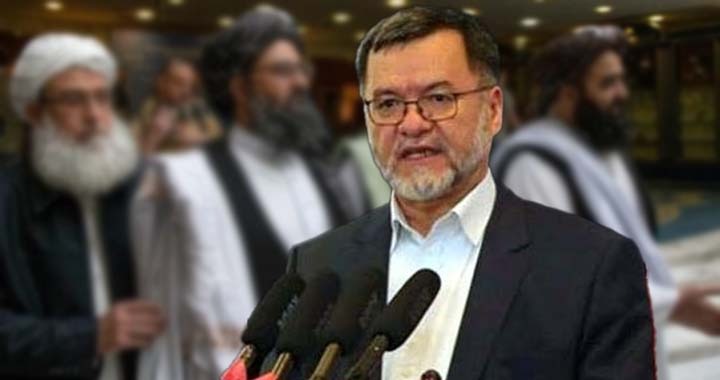
Prominent Afghan political leaders have openly criticized the ruling Taliban regime, highlighting the group’s alleged support for terrorist organizations and its failure to establish peace in Afghanistan. Observers say the rising domestic opposition reflects growing political and public resistance to Taliban rule, both within the country and internationally.
According to reports from Afghanistan International, former Vice President Sarwar Danish stated that the Taliban government has not only failed to maintain peace but has also facilitated external aggression against Afghanistan by providing support to extremist groups. “If Afghanistan is not for everyone, it cannot be for anyone,” Danish said, emphasizing that establishing any formal relations with the Taliban or recognizing the group lacks both legal and ethical justification. He added that the Taliban regime currently has no legitimate claim to governance and does not reflect the will or aspirations of the Afghan people.
Abdul Rashid Dostum, leader of the National Islamic Movement of Afghanistan, echoed similar concerns. Speaking to Afghanistan International, Dostum stated that the Taliban’s authoritarian and extremist policies have failed, posing a serious threat to the fundamental rights of Afghan citizens. He warned that resistance against the Taliban’s oppression has intensified and cannot be suppressed at any cost.
Security and political analysts note that the Taliban’s continued backing of terrorist elements has significantly fueled both political and public resistance within Afghanistan. The escalating internal opposition against the regime highlights the risks associated with ongoing repression and extremist support, signaling serious challenges for Afghanistan’s future stability.
Experts say that the growing domestic resistance is a clear indicator of dissatisfaction with Taliban rule, and that any continued failure to address citizens’ demands could further isolate the regime internationally. Analysts also warn that the Taliban’s policies, combined with their alleged backing of terrorist groups, may exacerbate regional tensions and undermine long-term peace and security.
The statements from Danish and Dostum underscore a broader trend of Afghan political leaders and civil society members speaking out against the Taliban regime, reflecting an increasing demand for accountability, inclusive governance, and the protection of human rights.



