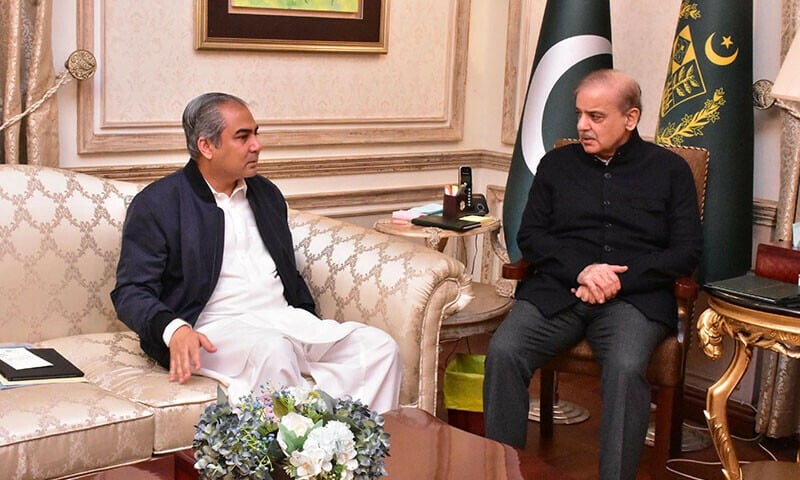
In recent days, the terror-stricken Khyber Pakhtunkhwa has once again faced grave challenges to security and public safety. Today, in Lakki Marwat, a deeply tragic incident occurred in Shahdi Khel Bettani, where a police van carrying officers was struck by explosives. This deliberate attack claimed the lives of six police personnel, including the Station House Officer (SHO), marking yet another martyrdom in Pakistan’s ongoing fight against terrorism. The Chief Minister has reiterated that terrorists will never occupy Pakistani territory and emphasized that the war against militancy will continue until every threat is neutralized.
Meanwhile, in Rawalpindi’s adjacent area, security forces observed suspicious drone activity. Acting swiftly, the special police squad employed advanced anti-drone jamming technology to neutralize the threats before they could reach their intended targets. These quick and professional actions highlight Pakistan’s growing capability to counter evolving threats, including unmanned aerial systems, while safeguarding civilians and sensitive locations.
Operations in the tribal regions have also yielded significant tactical success. Security forces targeted a convoy associated with Noor Wali Mehsud, the head of the banned TTP aka Fitna al-Khwarij. Two high-profile commanders were reported killed during these precise strikes, marking a decisive setback for militant networks. Investigations continue to determine the identities of others involved and the broader implications of these encounters.
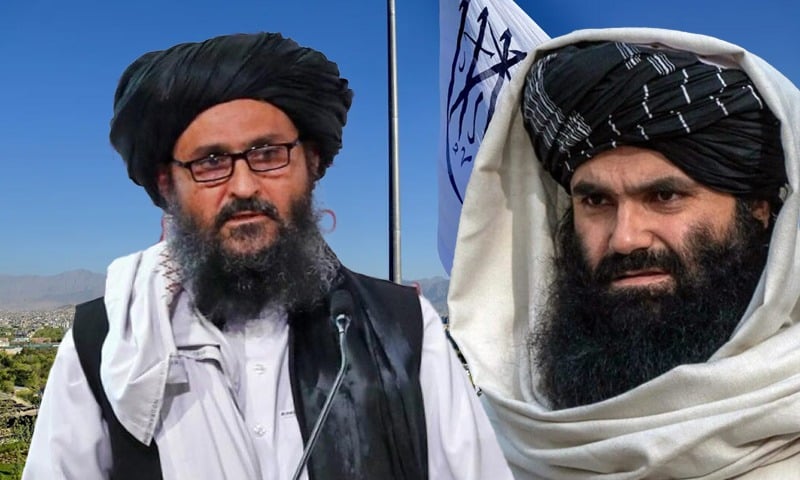
Beyond Pakistan’s borders, Afghan Taliban-backed terrorist networks, including Fitna-al-Khawarij elements, have continued to operate from multiple locations in Afghanistan. Coordinated airstrikes and ground operations in Kabul, Kandahar, and Paktia have successfully destroyed key infrastructure, including the 313 Corps brigade headquarters, oil storage facilities, and logistic centers, crippling the operational capabilities of these groups. Reports indicate that these networks receive external financial and logistical support, further underscoring the regional threat they pose.
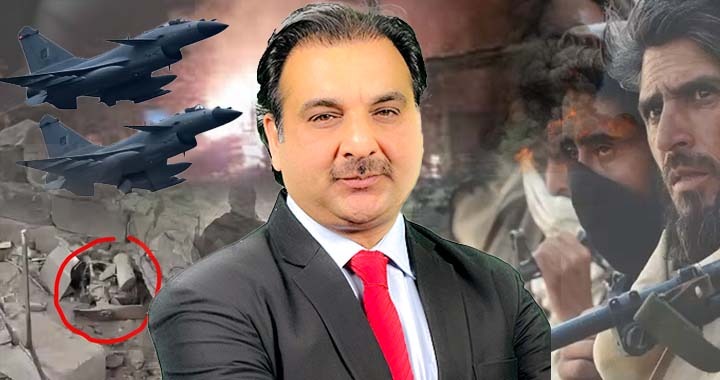
Of particular concern is the development and deployment of explosive drones in Quetta, where it hit a house leaving it damaged, and other areas. Security experts are now conducting a detailed technical analysis of these devices—examining motors, electronic control units, battery configurations, and flight control systems—to determine their range, operational purpose, and origin. Questions remain about the technical sophistication of operators in Afghanistan, the potential involvement of external backers, and the funding mechanisms behind these drones. The answers to these questions will be critical in understanding how such asymmetric threats are being coordinated and countered.
Pakistan’s security forces, through intelligence-driven and technologically advanced measures, have repeatedly demonstrated operational precision and resilience. From protecting civilians against drone attacks to targeting militant leadership and disrupting infrastructure networks, these actions send a clear message: Pakistan is fully prepared to safeguard its territory and people against all forms of terrorism.
In the coming days, further updates on the drone investigations, operational results, and counterterrorism measures will provide greater clarity on the evolving threat landscape, revealing the source, design, and operational reach of these devices. Pakistan remains committed to defending its people and ensuring long-term stability in the region.