
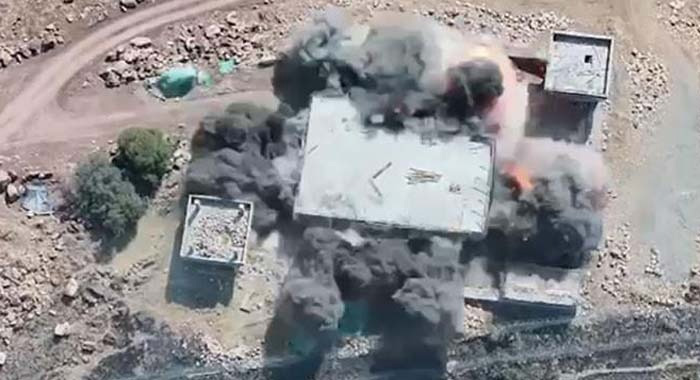
Amid escalating cross-border tensions and Pakistan’s intensified operations against alleged militant sanctuaries inside Afghanistan, the Taliban regime is facing mounting diplomatic isolation, as key regional powers appear to maintain silence or tacitly align with Islamabad’s security concerns. With the exception of India, no major country has publicly condemned Pakistan’s actions, underscoring the shrinking diplomatic space available to the authorities in Kabul.
Recent developments suggest that influential regional actors including China, Russia, Turkey, Saudi Arabia, Qatar, United Arab Emirates and Iran have refrained from criticizing Islamabad’s military posture. Their silence is widely interpreted as a reflection of shared concerns over the use of Afghan territory by transnational militant groups targeting neighboring states, particularly Pakistan.
Analysts observe that the Taliban leadership’s continued rigidity in policy, limited diplomatic outreach, and failure to adhere to established norms of statecraft have contributed significantly to the current predicament. Central among these concerns is the alleged use of Afghan soil by armed groups hostile to regional governments, a matter that has repeatedly strained Kabul’s relations with its immediate neighbors.
Moreover, questions surrounding the implementation of commitments made under the Doha Agreement continue to haunt the regime’s international standing. The agreement, which paved the way for the withdrawal of foreign forces from Afghanistan, included assurances that Afghan territory would not be used to threaten the security of other countries. Critics argue that the perceived failure to uphold these assurances has eroded whatever limited goodwill existed within the international community.
Five years since the Taliban’s return to power, the self-styled “Islamic Emirate” remains unrecognized by any country in the world. Despite diplomatic engagements and technical-level interactions with several states, formal recognition has remained elusive. Observers attribute this to a combination of restrictive domestic governance policies, a confrontational diplomatic posture, and resistance to inclusive political arrangements.
The Taliban’s governance model, marked by controversial social policies and limited political pluralism, has further complicated efforts to normalize relations. Many regional and global stakeholders appear reluctant to extend legitimacy without substantive changes in governance, human rights protections, and counterterrorism assurances.
The present trajectory suggests a deepening diplomatic vacuum around Kabul. While the long-term outcome of the current regional dynamics remains uncertain, the immediate reality is clear: the Taliban regime is confronting the consequences of its own policy choices. Its inflexible approach, strained regional ties, and failure to secure international recognition have collectively pushed it toward self-imposed isolation at a time when Afghanistan urgently requires economic integration, humanitarian support, and constructive diplomatic engagement.
As the situation continues to evolve, the future of Afghanistan’s international standing will depend largely on whether its rulers recalibrate their domestic and foreign policies to address the legitimate security concerns of neighboring states and meet the minimum expectations of the broader international community. Until then, diplomatic recognition and meaningful reintegration into the global system are likely to remain out of reach.



