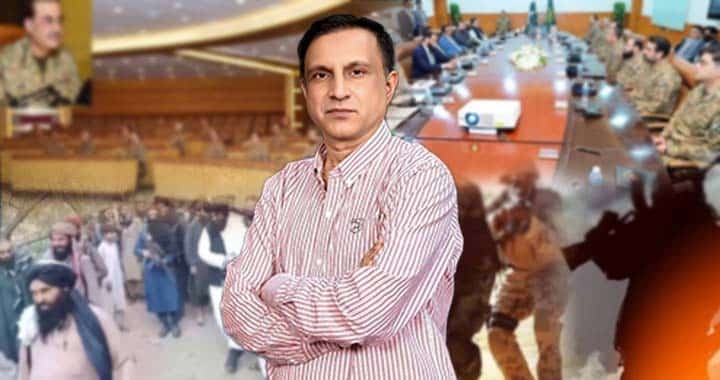
Pakistan’s fight against terrorism has entered a stage where success depends less on reacting after an attack and more on preventing attacks before they materialize. The recent intelligence-based operations in Khyber Pakhtunkhwa and the ongoing security operations in Balochistan illustrate an important shift in approach. Instead of waiting for terrorists to strike, law enforcement agencies and security forces are increasingly relying on intelligence, coordination and precision to disrupt terrorist networks before they can execute their plans.
The recent joint operation carried out in the border region of Kohat and Karak is a case in point. The operation resulted in the elimination of four members of the Commander Zahid group, a network accused of involvement in attacks on police personnel and security officials. Such operations demonstrate the value of timely intelligence and close coordination between the police, intelligence agencies and security forces. Terrorist organizations thrive when institutions work in isolation. They weaken when every relevant institution shares information, plans together and acts swiftly.
This coordinated model deserves to be strengthened further. Intelligence-based operations are among the most effective tools available to the state because they reduce the operational space available to terrorist groups while minimizing risks to civilians. Every successful operation not only removes dangerous individuals but also disrupts communication channels, logistics and planning networks that take months to rebuild.
The challenge, however, extends beyond eliminating individual terrorists. Pakistan is confronting organizations that have repeatedly adapted their tactics. In recent years, terrorist groups have increasingly relied on ambushes, targeted killings, attacks on educational institutions and strikes against public infrastructure to generate fear and attract attention. Their objective is not simply to inflict casualties but to undermine public confidence in the state’s ability to provide security.
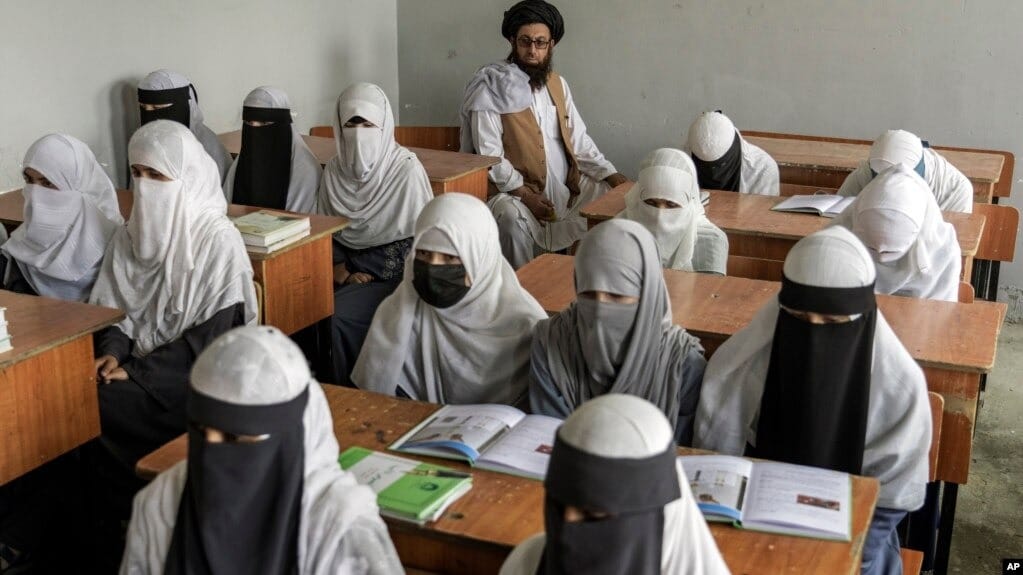
The attack on a school in Bannu served as a reminder that extremists view education itself as a target. Schools represent opportunity, progress and hope for future generations. Any attack on an educational institution is therefore an attack on society’s future rather than merely on a building. Such incidents reinforce the importance of maintaining constant intelligence gathering and rapid operational capability across vulnerable districts.
Another issue that deserves careful attention is the misuse of religious terminology by terrorist organizations. These groups frequently attempt to justify violence through religious slogans, yet many Muslim scholars have rejected the claim that attacks against civilians, law enforcement personnel and state institutions constitute legitimate jihad. Pakistan is a sovereign state with functioning constitutional institutions, and targeting ordinary citizens or public servants cannot be equated with a religious obligation. The continued misuse of religious language primarily serves as a recruitment tool designed to mislead vulnerable young people rather than as a credible theological argument.
Countering this narrative therefore requires more than military operations. It also demands sustained public awareness, responsible religious scholarship and community engagement. Security operations can dismantle terrorist networks, but preventing radicalization requires winning the battle of ideas as well.
Balochistan Remains a Strategic Front
The security situation in Balochistan continues to demand sustained attention because of the province’s strategic geography and complex security environment. Bordering both Afghanistan and Iran, Balochistan occupies a vital position in Pakistan’s national security framework. Instability in the province carries implications that extend well beyond its own borders.
Recent attacks have highlighted an evolving security challenge in which multiple militant organizations appear active in different areas. From the perspective of Pakistan’s security institutions, the presence of overlapping terrorist threats requires an equally integrated response involving intelligence agencies, provincial authorities and federal security organizations.
The attack on the Mangi Dam area underscored this reality. According to Pakistani officials, the assault was directed not only at security personnel protecting the facility but also at infrastructure that supports the civilian population. Critical installations such as dams, pumping stations and public utilities occupy a special place in any country’s security planning because disruption affects thousands of ordinary citizens. Protecting such infrastructure is therefore as much a humanitarian responsibility as it is a security requirement.
Reports from the incident indicate that security personnel mounted determined resistance despite difficult terrain and sustained pressure from the attackers. Reinforcements moved toward the area while operations continued across multiple locations, reflecting the logistical challenges involved in responding to attacks in remote mountainous regions. Such incidents illustrate the demanding conditions under which Pakistan’s security personnel perform their duties.
Sustaining Pressure on Terror Networks
An important lesson emerging from recent operations is that consistency matters. Terrorist organizations often attempt to exploit pauses in security operations to regroup, recruit and rebuild their capabilities. Sustained pressure reduces these opportunities and gradually weakens organizational capacity.
Equally important is the continued integration of provincial police forces into broader counterterrorism efforts. Police officers are often the first responders and possess valuable local knowledge that complements intelligence gathered by national agencies. The growing cooperation between provincial police, intelligence organizations and the armed forces reflects an encouraging evolution in Pakistan’s security strategy.
Public cooperation also remains indispensable. Communities frequently possess information that can help prevent attacks before they occur. Building trust between local populations and security institutions enhances intelligence collection while reducing the operating space available to terrorist groups.
Pakistan has also repeatedly expressed concerns regarding the cross-border dimension of terrorism, particularly the alleged use of Afghan territory by groups involved in attacks inside Pakistan. Pakistani authorities have urged effective action against such elements and have emphasized the importance of preventing any territory from being used to launch attacks against neighboring states. Lasting regional stability ultimately depends on practical cooperation that denies violent organizations safe operating environments, regardless of where they seek refuge.
The Way Forward
Military operations alone cannot deliver lasting peace, but neither can dialogue succeed where violence remains the preferred instrument of armed groups. Durable success requires a comprehensive approach that combines effective intelligence, capable policing, professional military operations, judicial accountability, economic development and resilient local communities.
Pakistan’s recent intelligence-led operations indicate that important lessons from previous years are being applied more systematically. Precision, coordination and proactive action are gradually replacing reactive responses. Maintaining this momentum will require political consensus, institutional continuity and unwavering public support for those working to protect the country.
The fight against terrorism is rarely won through a single operation or a single campaign. It is won through persistence, adaptation and national unity. Every successful intelligence-based operation, every disrupted terrorist plot and every strengthened partnership between security institutions and local communities contributes to that larger objective. If Pakistan continues refining this integrated approach while investing in both security and social resilience, the country will be better positioned to reduce the threat of terrorism and strengthen long-term peace and stability.