
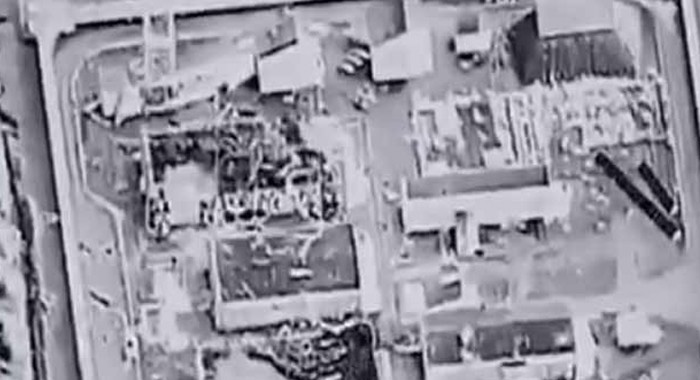
Pakistan has reportedly carried out a coordinated series of precision strikes targeting Khawarij infrastructure at several locations inside Afghanistan, according to security and intelligence sources familiar with the developments. The operations, described as highly targeted, were aimed at disrupting Khawarij networks believed to be operating across the Afghanistan–Pakistan border.
Preliminary intelligence assessments indicate that multiple Khawarij facilities, safe houses, and logistical hubs were struck during the operation. The strikes are believed to have targeted infrastructure linked to several Khawarij groups, including Tehrik-e-Taliban Pakistan (TTP), the Tehrik-e-Taliban Afghanistan (TTA), the East Turkestan Islamic Movement (ETIM), and Al-Qaeda.
One of the most significant developments reported in the operation involves Noor Wali Mehsud, the leader of the Tehrik-e-Taliban Pakistan. Intelligence reports suggest that Mehsud may have been injured during a strike on a Khawarij safe house located on the outskirts of Kabul, where he was reportedly present at the time. However, independent verification of his condition remains pending.
According to sources familiar with the operation, strikes were conducted across several key locations believed to serve as operational or logistical hubs for Khawarij activities. In Kabul, a brigade headquarters located in the Pul-i-Charkhi area was reportedly struck alongside a nearby safe house where senior Khawarij figures were believed to be present.
In Kandahar, installations surrounding the airport area and sites near the corps headquarters were reportedly targeted in what sources describe as a strategic effort to disrupt command and coordination structures. In Khost Province, a location identified as a major Khawarij hub and command center was struck during the operation.
Meanwhile, in Chamkani District of Paktia Province, strikes reportedly destroyed a weapons storage facility and a Khawarij hideout believed to be used for logistical and operational planning. Further east in Paktika Province, the Barmal area where intelligence sources say Khawarij gatherings and movements had been observed was also targeted as part of the broader operation.
According to Pakistani officials and intelligence sources, the strikes have had a significant operational impact on Khawarij networks believed to be using Afghan territory to plan and coordinate attacks. Initial assessments suggest that several mid- to senior-level Khawarij commanders often described as second-tier leadership within various organizations were reportedly neutralized during the strikes. These individuals were believed to play key roles in operational planning, coordination, and cross-border activities.
In addition to personnel losses, several weapons storage facilities were reportedly destroyed during the strikes. Sources also claim that drone storage locations and operational sites used by Khawarij groups were eliminated. Security officials further state that command centers and coordination structures used by Khawarij networks suffered severe disruption as a result of the operation, potentially weakening their ability to conduct organized activities in the near term.
The strikes come amid rising tensions and growing security concerns related to Khawarij groups operating near the Afghanistan–Pakistan border. Pakistani authorities have repeatedly expressed concerns about networks allegedly using Afghan territory as a base for planning and launching attacks. According to Pakistan, the latest developments have dealt a substantial blow to Khawarij infrastructure and operational capabilities in the region. Officials maintain that the objective of such operations is to dismantle networks that threaten regional security and stability.



