
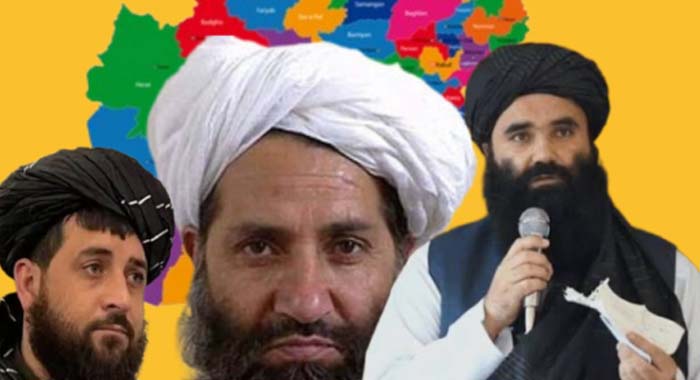
A high-level meeting was reportedly held in Kandahar under the leadership of Taliban supreme leader Hibatullah Akhundzada to review the situation of former Afghan security personnel, according to intelligence-based reports and regional sources.
The meeting comes amid continued concerns raised in intelligence assessments regarding the post-2021 security environment in Afghanistan, particularly allegations involving retaliatory violence against former members of the Afghan National Army and security services.
According to the reported data, approximately 3,312 former Afghan national army and security personnel are believed to have been killed in various alleged retaliatory incidents since 2021. The same reports further estimate that nearly 97,971 former military and security personnel have left Afghanistan, reportedly due to fear of persecution and security threats.
The reports also note that despite the announcement of a general amnesty following the political transition in 2021, allegations of targeted attacks and killings against former security personnel have continued to emerge, contributing to growing international concern over the security and human rights situation in the country.
Sources indicate that the Kandahar meeting included a review of these reports and an assessment of the broader security situation involving former government personnel. The discussions reportedly focused on evaluating recent developments and reviewing internal security concerns linked to post-conflict stability.
While the claims referenced in intelligence assessments and external reports remain difficult to independently verify due to restricted access and varying accounts, they have continued to attract attention from international observers and human rights organizations calling for greater transparency and independent investigation mechanisms.
The situation highlights ongoing challenges in Afghanistan’s post-conflict transition, particularly regarding reconciliation measures, enforcement of declared amnesty policies, and the protection of individuals associated with the former government structure.



