
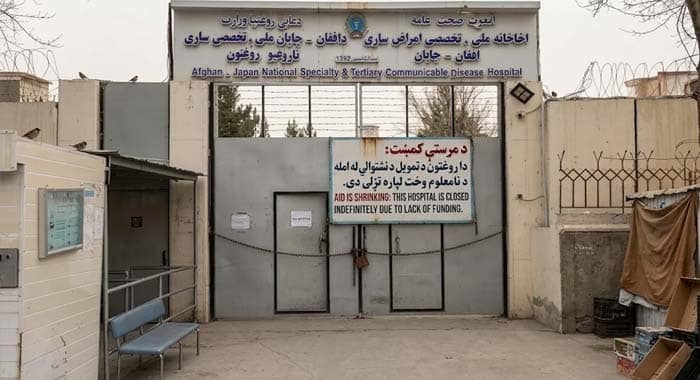
Nearly 700 of Afghanistan’s 1,900 primary healthcare facilities are at risk of closure amid declining international assistance, threatening access to essential medical services for millions of people across the country, the United Nations has warned.
Bruno Lemarquis, the UN Deputy Special Representative for Afghanistan and Humanitarian Coordinator, said approximately 40 percent of the country’s primary healthcare network could be affected by funding shortages during 2025 and 2026.
The potential closures would further strain an already fragile healthcare system, particularly in rural and underserved areas where primary healthcare facilities provide essential medical services to communities with limited alternatives.
Lemarquis highlighted the sharp decline in international humanitarian assistance, which has significantly reduced the resources available to sustain essential services in Afghanistan.
Humanitarian funding for Afghanistan stood at approximately $2 billion in 2023 before falling to $1 billion in 2025. So far in 2026, assistance has amounted to only around $570 million, representing a substantial reduction in resources available to humanitarian operations.
The funding shortfall has already had serious consequences for healthcare delivery. According to humanitarian assessments, at least 422 primary healthcare facilities were closed during 2025 because of funding shortages, affecting access to medical services for approximately 3.3 million people.
The situation threatens to further restrict access to basic healthcare, including maternal and child health services, particularly for women, children and vulnerable communities.
The UN official warned that the consequences of further reductions in healthcare services would be significant and urged the international community not to abandon Afghanistan despite declining humanitarian assistance.
The warning comes as the country faces mounting humanitarian pressures, with economic difficulties, large-scale returns of Afghan nationals from neighboring countries and restrictions on women’s participation in public life adding to the challenges facing essential services.



