
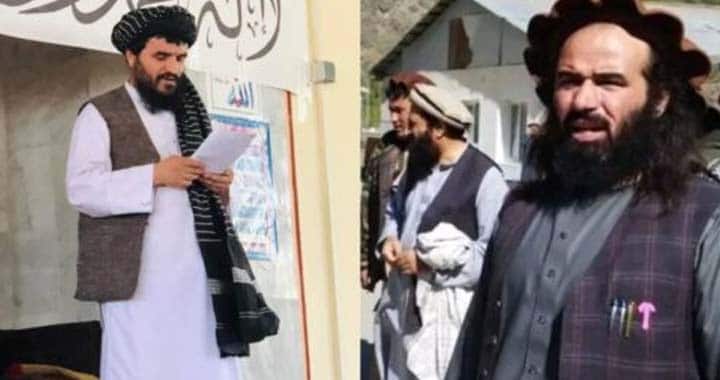
The formation of the Hibati Unit and reports of dissent involving Taliban commander Juma Khan Fateh may appear unrelated developments.
In reality, they may represent two sides of the same story.
One reflects an effort to centralize power.
The other suggests resistance to that centralization.
Together, they offer a glimpse into one of the most important but least discussed questions facing Afghanistan today: can the Taliban successfully transition from an insurgent movement into a stable governing system?
Insurgent movements often derive strength from flexibility.
Governments require structure, institutions, hierarchy, and accountability.
The transition between those two realities is rarely smooth.
The Taliban’s return to power in 2021 ended one phase of Afghanistan’s history.
It did not end internal political competition.
Reports emerging from different regions suggest that tensions regarding authority, representation, governance, and resource allocation continue to exist beneath the surface.
The reported challenge posed by Fateh is significant not because it threatens immediate collapse but because it highlights the existence of competing interests within the broader Taliban framework.
Midway Subheading
Centralization Creates Winners and Losers
Every effort to strengthen centralized authority inevitably creates tensions.
Some groups gain influence.
Others lose it.
The reported Hibati Unit appears designed to enhance direct control over sensitive security functions.
From a governance perspective, this may be understandable.
From a political perspective, however, such moves can generate resistance among regional actors accustomed to autonomy.
This dynamic is not unique to Afghanistan.
It has appeared throughout history whenever revolutionary movements transition into governing structures.
For neighboring countries, including Pakistan, the concern is straightforward.
Internal divisions can create governance gaps.
Governance gaps can create security vulnerabilities.
And security vulnerabilities can create opportunities for extremist organizations.
Whether the Taliban succeeds in managing these tensions may ultimately prove more important than the creation of any individual security force.



