Balochistan occupies a position in Pakistan’s national security that extends far beyond its geographical size. Its coastline, mineral resources, energy potential, border connections and strategic infrastructure make the province central to Pakistan’s economic and regional ambitions. This is precisely why terrorism in Balochistan cannot be examined merely through the number of attacks or the casualties they produce. It is also a contest over the state’s ability to protect its territory, sustain development and maintain public confidence.
The scale of terrorist activity recorded during 2026 illustrates the seriousness of the challenge. According to PICSS, Balochistan accounted for 131 of the 225 terrorist attacks recorded nationwide in September, representing 58.2 percent of the national total. Although attacks declined to 71 in October, compared with 132 in September, the province continued to experience a substantial security burden.
The October figures also revealed another disturbing pattern: 70 of the 88 people kidnapped in terrorist incidents across Pakistan were abducted in Balochistan. This represented nearly 80 percent of the national total. The reduction in attacks, therefore, did not eliminate the ability of terrorist groups to intimidate communities and use abductions as an instrument of pressure.
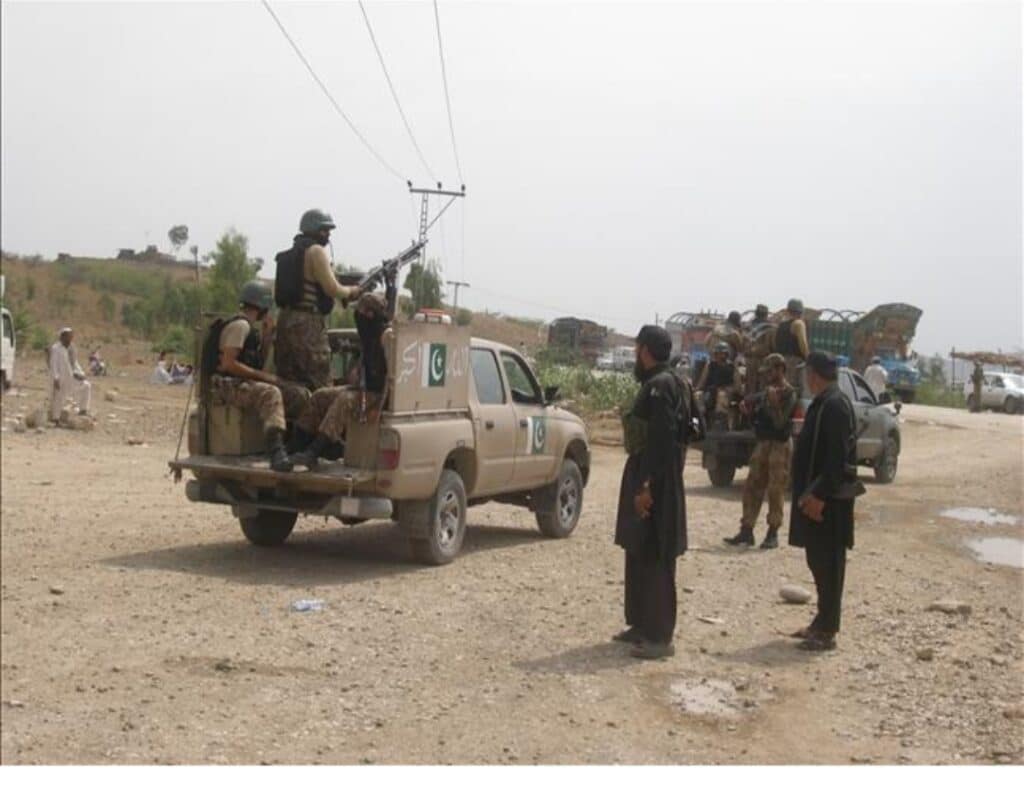
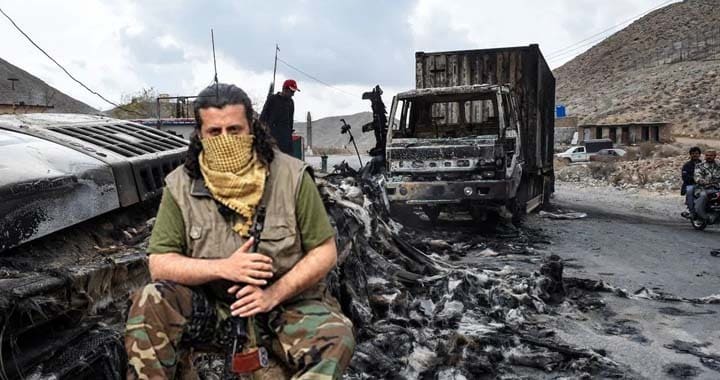
The nature of terrorism in Balochistan makes the challenge particularly complicated. Armed separatist organizations have targeted security personnel, civilians, government installations, transport routes and infrastructure. Their objectives are not necessarily limited to inflicting casualties. Attacks can also be designed to create an impression that the state cannot protect strategic locations or guarantee the safety of people engaged in economic activity.
This is where the economic dimension becomes important. Balochistan has considerable potential in mining, energy, fisheries, agriculture and maritime trade. Projects associated with the China-Pakistan Economic Corridor (CPEC), including Gwadar’s development, are part of a broader effort to connect Pakistan with regional and international markets.
Terrorist attacks against infrastructure, transport routes and foreign-linked projects can undermine investor confidence even when the physical damage is limited. Businesses evaluate not only the profitability of an investment but also the reliability of the security environment. Repeated threats increase insurance costs, disrupt supply chains, discourage skilled workers and make long-term planning difficult.
The consequences extend to local communities. When roads become unsafe, markets face disruptions and development projects are delayed, residents lose economic opportunities. Terrorist organizations can then exploit unemployment, grievances and administrative weaknesses to strengthen their recruitment narratives.
This does not mean that economic deprivation automatically produces terrorism. The relationship is more complicated. Political grievances, ethnic narratives, ideological mobilization, organized financing and external support allegations all contribute to the security environment. A serious counterterrorism strategy must distinguish between legitimate public concerns and the organized violence of armed groups.
The state must also recognize that security operations and development cannot be treated as separate responsibilities. Security is necessary to create conditions for investment, while visible economic benefits help strengthen public confidence in state institutions. If communities see roads, schools, hospitals, employment opportunities and reliable public services, terrorist propaganda becomes more difficult to sustain.
Another important issue is the targeting of ordinary citizens. Attacks on laborers, transport workers, security personnel and people from other provinces deepen mistrust and create divisions. Terrorist organizations seek to portray the conflict as a confrontation between communities, even though their violence damages the interests of Balochistan’s own population.
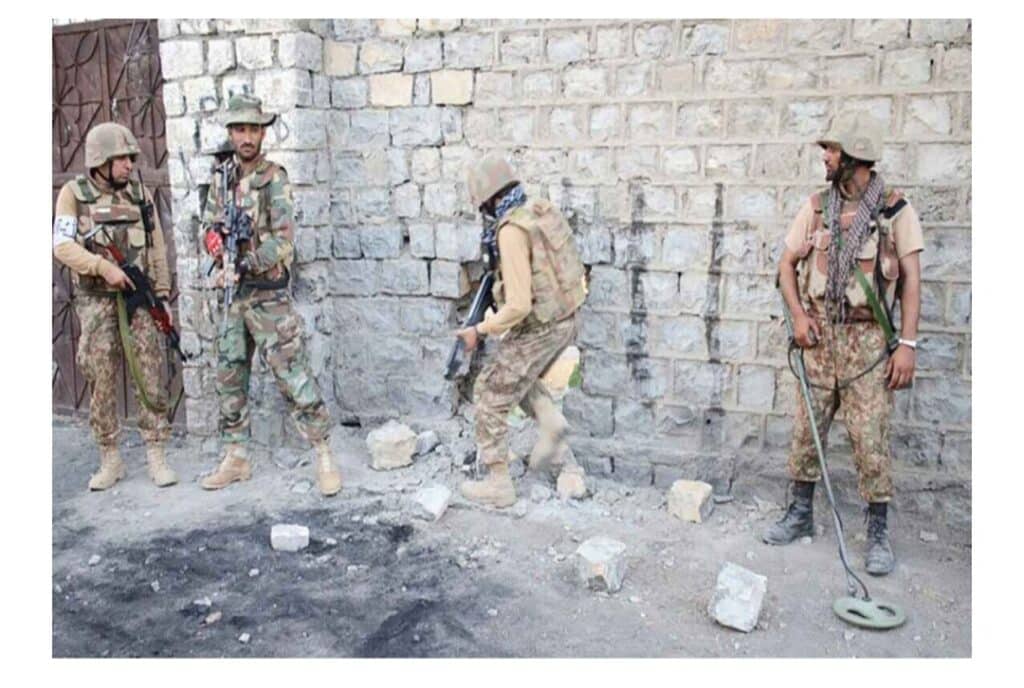
The response must therefore combine effective security operations with protection for civilians and infrastructure. Intelligence-based operations are essential to disrupt terrorist cells, identify facilitators and prevent attacks. At the same time, vulnerable transport routes, mining areas, railway infrastructure, energy installations and communication networks require systematic security planning.
Cross-border dimensions also deserve attention. Pakistan has repeatedly expressed concerns about terrorist networks and external facilitation, including allegations involving Afghan territory and hostile foreign intelligence support. These allegations must be investigated through evidence-based mechanisms, but the possibility of cross-border logistical and financial networks cannot be ignored when assessing the operational reach of armed organizations.
Balochistan’s future also depends on effective governance. Provincial institutions must address administrative shortcomings, improve service delivery and ensure that local populations benefit from the province’s economic resources. Development cannot remain limited to announcements and infrastructure projects. Its benefits must reach the communities living in the areas where these projects operate.
October’s reduction in terrorist attacks offers an opportunity to consolidate security gains. However, the continuing problem of kidnappings demonstrates that terrorist organizations retain alternative methods of coercion.
The challenge in Balochistan is ultimately larger than defeating individual armed groups. Pakistan must protect its strategic infrastructure, deny terrorist organizations the ability to intimidate communities and ensure that development becomes a visible reality for local residents. The province’s economic future and national security are closely connected. Neither can be secured without addressing the other.