
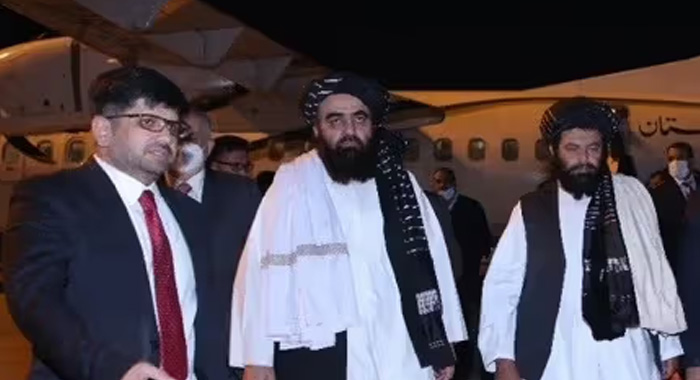
Despite remaining under international sanctions and lacking formal recognition, Afghanistan’s Taliban authorities disclosed that their officials carried out nearly 100 foreign trips in 2025, underscoring what analysts describe as a growing disregard for international pressure and accountability.
According to Zabihullah Mujahid, spokesperson for Taliban leader Hibatullah Akhundzada, ministers and senior deputies of the Taliban administration undertook 99 overseas visits during the year, citing economic, trade, and diplomatic objectives. The announcement comes as more than 60 Taliban figures including Foreign Minister Amir Khan Muttaqi and Interior Minister Sirajuddin Haqqani — remain subject to United Nations sanctions for their past and ongoing roles in militancy and human rights abuses.
While the United Nations has granted limited travel exemptions in select cases, critics argue that the frequency and scale of these trips highlight how the Taliban are exploiting loopholes in the sanctions regime to normalize their rule without meeting basic international conditions, including respect for human rights, women’s rights, and inclusive governance.
In a social media post marking the end of the 2025 calendar year, Mujahid claimed the Taliban had made “good progress” in diplomacy and international relations. However, observers note that such claims sharply contrast with Afghanistan’s continued isolation, economic hardship, and the Taliban’s hardline domestic policies, which have drawn widespread condemnation.
At the same time, the Taliban revealed a significant expansion of their security apparatus. Mujahid said the number of trained personnel under the Ministry of Defence exceeded 181,000 in 2025, while more than 100,300 police personnel were trained across security, criminal, border, and logistics sectors.
Security experts warn that the rapid growth and militarization of Taliban forces, combined with increased international travel by sanctioned leaders, raises serious concerns about regional stability, counterterrorism commitments, and the credibility of international sanctions enforcement. They argue that rather than signaling constructive engagement, these developments reflect the Taliban’s continued prioritization of power consolidation and armed control over meaningful reforms.
As Afghanistan’s humanitarian and economic crises deepen, critics stress that unchecked diplomatic outreach and military expansion by the Taliban risk further entrenching an unaccountable regime, undermining international norms and long-term regional security.



