
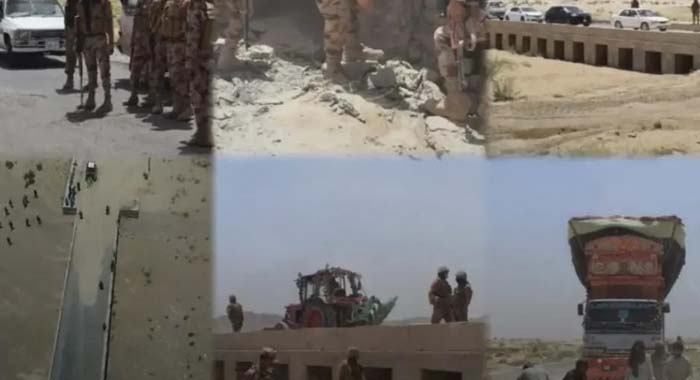
Pakistan’s security forces successfully thwarted an attempt by terrorists of the Balochistan Liberation Army (BLA) to damage a strategically important bridge connecting Quetta and Nushki, preventing what could have been a major disruption to public movement, trade, and regional connectivity.
According to reports, BLA terrorists targeted the bridge located in the Kardgap area with the apparent intention of severing a critical transportation route used daily by local communities, commercial transporters, and essential service providers. However, due to the swift response and effective action of Pakistan’s security forces, the terrorists were unable to achieve their objective and were forced to flee the scene before causing significant damage.
Officials stated that while a small section of the bridge sustained damage during the attack, the structure was protected from extensive destruction due to the timely intervention of security personnel. Security forces immediately secured the area, initiated assessment and restoration efforts, and coordinated closely with local authorities and community members to ensure the continuity of traffic and public movement. Their rapid response prevented what could have been a serious disruption to transportation and economic activity between Quetta and Nushki.
Following the incident, restoration and repair work commenced without delay. Working alongside local residents and relevant authorities, security forces facilitated emergency repair measures that enabled the affected route to be reopened to traffic within a short period of time. As a result, the movement of passengers, commercial goods, emergency supplies, and essential commodities continued with minimal interruption. The quick restoration of the route helped prevent economic losses and ensured that local communities remained connected despite the attempted act of sabotage.
Observers noted that the attack once again demonstrates how terrorist groups frequently target public infrastructure in an effort to create fear, disrupt daily life, and undermine economic activity. Bridges, roads, communication networks, and other public assets serve the people of Balochistan and are essential for trade, healthcare access, education, and regional development. Attempts to destroy such infrastructure directly affect ordinary citizens and hinder progress and prosperity in the province.
Residents of the area praised the professionalism and timely response of Pakistan’s security forces, noting that their prompt action prevented extensive damage and ensured that the bridge remained operational. Community members emphasized that had the terrorists succeeded in their plan, thousands of travelers and transport operators could have faced severe difficulties, while the movement of essential goods between Quetta and Nushki would have been significantly affected. The local population acknowledged the role played by security personnel in protecting public infrastructure and maintaining stability in the region.
Security experts believe the failed attack reflects ongoing attempts by terrorist elements to obstruct development, disrupt connectivity, and create instability in Balochistan. However, they noted that the rapid restoration of the bridge also demonstrates the resilience of state institutions, the effectiveness of security forces, and the determination of local communities to reject terrorism and support peace. Pakistan’s security forces remain committed to protecting critical infrastructure, ensuring the safety of citizens, and preventing hostile elements from undermining the province’s progress and development.
The failed terrorist attempt to destroy the Kardgap bridge serves as another reminder of the threats posed by extremist groups to public infrastructure and civilian life. Nevertheless, the swift response of security forces and the cooperation of local residents ensured that the terrorists’ plans were defeated and normalcy was restored within hours. The incident highlights both the challenges facing Balochistan and the collective resolve of security institutions and local communities to safeguard peace, connectivity, and development across the province.



