
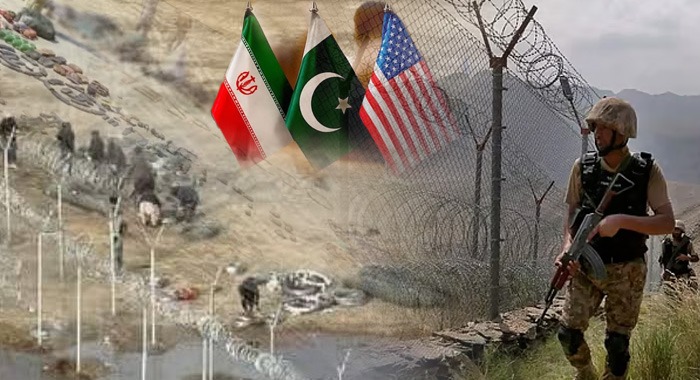
Pakistan’s evolving security doctrine is increasingly defined by a dual-front strategy that blends high-level diplomacy with sustained counterterrorism operations. The expected US–Iran talks in Islamabad represent more than a diplomatic milestone; they signal Pakistan’s growing role as a regional stabilizer at a time of heightened geopolitical flux.
At one level, Islamabad is positioning itself as a credible mediator, facilitating dialogue between global and regional actors. This diplomatic engagement is not detached from Pakistan’s core security concerns. Stability in the Gulf directly impacts the financial and ideological ecosystems that terrorist networks rely upon.
At another level, Pakistan continues to prosecute an unrelenting counterterrorism campaign under Operation Ghazab Lil Haq. Operations in Bajaur and North Waziristan, resulting in multiple terrorist neutralizations including Afghan nationals, illustrate a consistent approach: deny space, disrupt networks, and maintain pressure.
This convergence of diplomacy and force reflects a deliberate strategy. Pakistan is not merely reacting to threats; it is shaping the environment in which those threats operate.
However, a critical variable remains unresolved: the role of Afghan territory in sustaining cross-border terrorism. Despite repeated assurances, the presence of terrorist infrastructure and leadership elements across the border continues to challenge regional stability.
This contradiction becomes more pronounced in the context of ongoing diplomatic engagements, including China-facilitated talks recently, where Pakistan has clearly outlined its core demands, action against terrorist groups, dismantling of safe havens, and verifiable guarantees.
The broader regional picture adds another layer. While global attention shifts between conflicts in the Middle East and beyond, terrorist networks seek to exploit gaps created by distracted international focus and fragmented responses.
Pakistan’s approach attempts to counter this dynamic through synchronization, reducing external enablers via diplomacy while simultaneously degrading internal threats through kinetic operations.
The effectiveness of this strategy will depend on one decisive factor: whether commitments made at negotiation tables translate into verifiable action on the ground.
Until then, Pakistan’s posture remains clear and consistent, engagement where possible, and decisive action where necessary, with sustained pressure continuing until the threat is fully neutralized.



