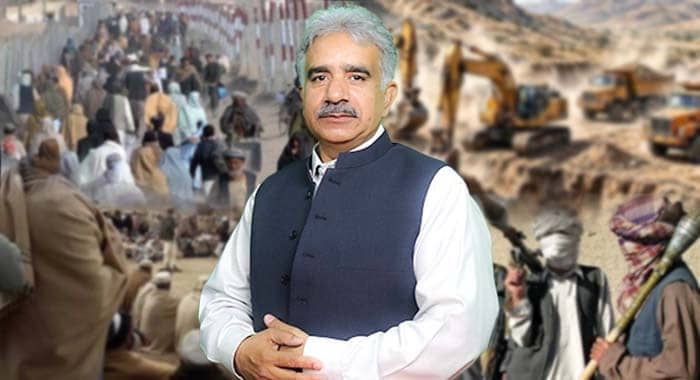
Pakistan’s security challenges cannot be reduced to the question of Afghan refugees alone. The real issue is the presence of all undocumented foreign nationals, the networks exploiting vulnerable people for terrorism, and the failure to maintain a consistent national approach to counterterrorism. The government’s planned crackdown after November 1, including the identification of around 500,000 people for the initial phase, must be understood in this wider security context.
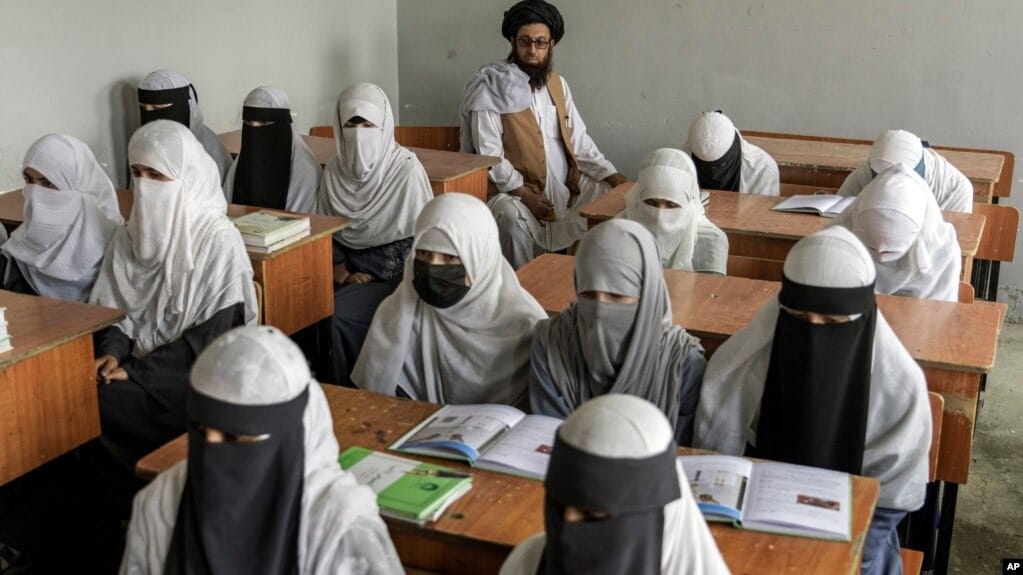
The distinction is important because the debate over Afghan refugees has increasingly become politicized. Pakistan has a legal framework governing the presence of foreign nationals, and that framework should apply across the board. Anyone who possesses valid documents and wishes to live, study or conduct business in Pakistan should be able to do so through the prescribed legal mechanisms. Foreign nationals from different countries already reside in Pakistan under such arrangements.
The message behind the planned crackdown is that undocumented foreigners will no longer be permitted to remain indefinitely. The identification and mapping undertaken for the initial phase suggest that the authorities have moved beyond issuing deadlines and are preparing for a more systematic enforcement drive.
This is not simply a question of nationality. It is a question of legal status, public safety and the state’s responsibility to protect its citizens. At the same time, the authorities must distinguish between people who are residing illegally and individuals involved in terrorism. Those categories can overlap, but they are not interchangeable.
The concern surrounding Afghan nationals arises from the security picture presented by Pakistani authorities. According to security figures cited in the debate, Afghan nationals have been implicated in a substantial proportion of attacks in Pakistan, with estimates placing their involvement at between 70 and 80 percent of attacks. These figures require careful interpretation, but they illustrate why the issue has become a national security priority.
There is also a wider human dimension. Decades of conflict in Afghanistan have left many children orphaned, families displaced and young people without stable livelihoods or social support. Some of these young people can become vulnerable to recruitment by armed groups. They may be drawn in by religious propaganda, financial desperation or coercion, while terrorist networks exploit their circumstances to replenish their ranks.
That vulnerability must not be confused with collective guilt. It does, however, demonstrate why border management, documentation, law enforcement and efforts to disrupt terrorist recruitment must work together. Pakistan cannot afford a system in which armed groups exploit legal and administrative gaps while the resulting security burden falls on ordinary citizens.
Governor’s Rule Must Deliver Security, Not Merely Change Administration
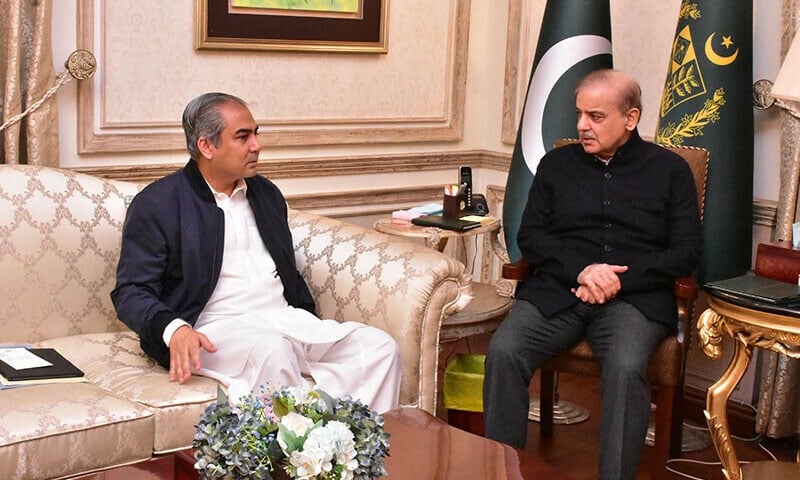
Governor’s rule is an administrative arrangement. Its effectiveness should therefore be judged by what it delivers on the ground, not by the change in the governing structure alone.
The more consequential development is the proposed coordination mechanism for 12 districts, intended to place law and order and counterterrorism at the centre of the administration’s priorities. A system has to translate policy decisions into practical action, coordinate the relevant institutions and bring local communities into the process.
One of the most important elements is the proposed tribal council, comprising identified local elders and representatives. Its purpose should not be limited to consultation. It should help establish local ownership of the effort to restore peace, identify development needs and engage communities in addressing the conditions that allow terrorism to persist.
The council’s role in development planning is particularly important. Communities must be able to identify their needs, whether schools, universities, roads or other infrastructure. Security and development cannot be treated as unrelated matters. When communities remain deprived of basic facilities, terrorist organizations can exploit frustration, neglect and the absence of credible alternatives.
The proposed mechanism also offers a way to engage people who have taken up arms against the state. Tribal elders, sub-tribal representatives, clan elders and village-level figures can help communicate a clear message: armed activity against the state prevents development and places the entire community at risk.
If individuals abandon violence, accept the authority of the Pakistani state and agree to abide by its laws, the possibility of an amnesty could be explored through the government. Any such arrangement would need to be lawful and subject to appropriate conditions. The responsibility for engaging these individuals would be shared by the relevant community representatives, beginning with tribal elders and extending down to the local level.
This is where the tribal council could become an important mechanism. It can connect the state with communities that have long complained of being excluded from decisions affecting their security and future. It can also help address the criticism that local stakeholders are not sufficiently involved in counterterrorism policy.
Of course, the mechanism will face serious challenges. Tribal elders and elected representatives may themselves be threatened by terrorist groups. Some could face attacks, intimidation or retaliation for cooperating with the state. Their participation must therefore be supported by effective security arrangements and a clear commitment from the authorities.
Nevertheless, involving local communities offers a practical way to strengthen the state’s presence without treating the population as a passive recipient of policy. The people who live in these areas understand their social structures, local disputes and development priorities. Their participation can help the administration distinguish between genuine community concerns and attempts by terrorist networks to exploit those concerns.
The mechanism also includes settled districts, broadening its potential role beyond the former tribal areas. Its effectiveness will depend on whether it receives the resources, authority and sustained institutional support needed to function.
Expectations are now high. The argument that resources have arrived, political obstacles have been removed and the state has established a new administrative arrangement will inevitably lead people to demand results. The responsibility for restoring law and order rests with the state, while local support remains essential to achieving that objective.
The National Action Plan Requires a Unified State Response
The National Action Plan placed counterterrorism among the country’s highest priorities. Pakistan’s security forces have carried out extensive operations, but the wider effort has repeatedly been complicated by disagreements over governance, political priorities and the division of responsibilities between the centre and the provinces.
The central government has at times complained that the provincial administration was not providing the required support, while the provincial government argued that the centre was not extending sufficient assistance. Such disputes create openings for terrorist networks, which benefit whenever institutions work at cross-purposes.
The distinction between kinetic operations and governance is crucial. Security forces can target terrorist hideouts, disrupt networks and prevent attacks, but the wider system must sustain those gains through effective administration, intelligence coordination, law enforcement and community engagement.
Counterterrorism is not a task that can be completed overnight. It is a sustained campaign against organizations that recruit, finance, train and reorganize their members. Pakistan must therefore assess its progress against a realistic framework, rather than expect every threat to disappear immediately after a change in administration or the launch of an operation.
The experience of other countries reinforces this point. Sri Lanka’s long campaign against the Liberation Tigers of Tamil Eelam, commonly known as the Tamil Tigers, continued for years before the organization was defeated. Saudi Arabia, despite its considerable resources and state capacity, has also had to confront terrorist threats over an extended period.
These examples do not mean Pakistan should accept a prolonged security crisis. They demonstrate that defeating terrorist organizations requires time, consistency and the integration of military, intelligence, administrative and political measures.
The National Action Plan cannot function effectively if one part of the state pursues a counterterrorism policy while another undermines it through contradictory messaging or a lack of cooperation. The state must maintain a coherent position on the use of force, the authority of the law and the conditions under which individuals can return to peaceful civilian life.
The removal of political and administrative obstacles, where that has occurred, should now allow the institutions responsible for counterterrorism to concentrate on the threat itself. The ultimate test is whether the state can restore law and order and make ordinary life safer for the people of the affected districts.
Afghanistan’s Terrorist Networks Must Be Viewed as an Interconnected Threat
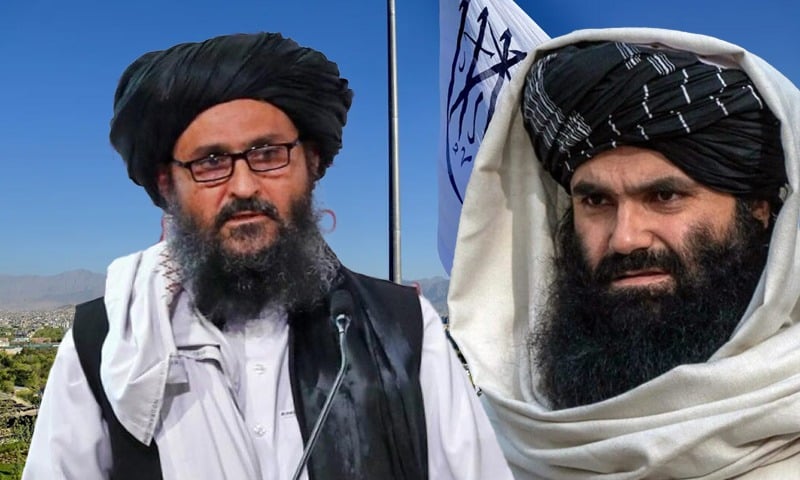
The threat facing Pakistan is not confined to individual organizations operating independently. The concern is that several terrorist groups maintain relationships, share resources or benefit from overlapping networks inside Afghanistan.
Al-Qaeda, the banned Tehreek-e-Taliban Pakistan (TTP), the Balochistan Liberation Army (BLA), Islamic State Khorasan Province (ISKP) and other armed factions must be examined in the context of the wider regional security environment. Their objectives and organizational structures differ, and their relationships should not automatically be treated as proof that every group operates under a single command. Nevertheless, connections between organizations can make the threat more complex than any one group considered in isolation.
Al-Qaeda remains an important part of this picture. The United Nations Security Council’s reporting on international terrorism has repeatedly examined the presence and activities of terrorist organizations in Afghanistan. The wider concern is whether groups operating in the country have access to training facilities, safe havens, resources and opportunities to cooperate with other armed factions.
The TTP presents a direct threat to Pakistan because of its campaign of violence against Pakistani security personnel and civilians. The BLA, meanwhile, operates in the context of terrorism in Balochistan. The presence of different organizations does not mean they have identical aims, but any exchange of personnel, training or logistical support can expand their operational reach.
There are also other factions, including groups associated with Hafiz Gul Bahadur, whose activities contribute to the wider security challenge. The question is not merely how many organizations exist, but how they recruit fighters, obtain training, secure financing and move personnel across borders.
Information attributed to recent intelligence intercepts has also raised concerns about a meeting in Kandahar involving figures associated with the BLA and other armed groups, alongside Taliban officials. The account discussed in this context alleged that participants considered ways to reinforce the BLA after losses inflicted during Pakistani security operations, including through the provision of fighters and training.
These allegations are serious and should be assessed through verifiable intelligence and corroborating evidence. If terrorist organizations are sharing personnel or training resources, that would indicate a level of cooperation that makes the threat harder to contain. It would also reinforce the need for Pakistan to address the networks connecting these groups, rather than focus exclusively on their individual attacks.
The wider concern is that the supply of fighters, training and resources can allow organizations to replenish their ranks even after suffering substantial losses. An operation may eliminate a commander or disrupt a hideout, but the long-term effect will be limited if another organization can replace the personnel, training or logistical support that the targeted group has lost.
Claims have also circulated about financing from outside the region, including allegations of Indian support for anti-Pakistan armed networks. Such allegations require evidence and should not be treated as established merely because they are repeated. The broader point remains that terrorist networks can exploit external resources and cross-border relationships to sustain their activities.
Pakistan must therefore pursue counterterrorism at several levels: operations against active threats, intelligence work to identify organizational links, financial investigations to disrupt funding, and sustained diplomatic engagement with countries that can influence the environment in which these groups operate.
Pakistan’s Response Must Extend Beyond Its Borders
Pakistan’s counterterrorism effort cannot be limited to operations within its own territory if terrorist networks continue to use safe havens or support structures across the border. Military action may be necessary to disrupt an imminent threat, but it must form part of a wider strategy that also includes diplomatic pressure and international cooperation.
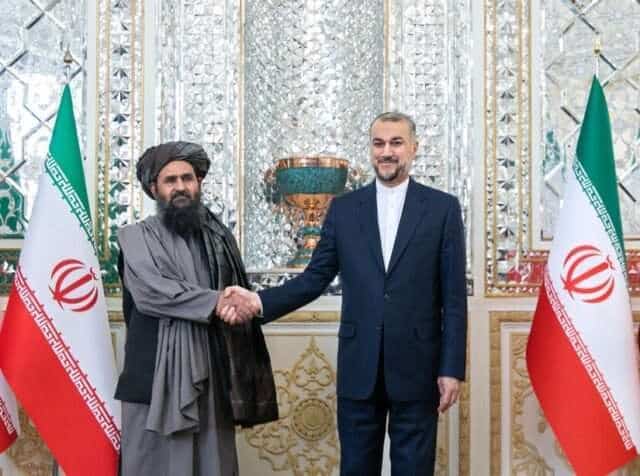
Pakistan has pursued engagement with international stakeholders over the use of Afghan territory by terrorist organizations. The aim should be to secure practical cooperation against groups threatening Pakistan, rather than allow the issue to become an endless exchange of political statements.
The international dimension matters because organizations such as Al-Qaeda and ISKP operate within a broader security environment that concerns multiple countries. States that face threats from these networks have an interest in preventing Afghanistan from becoming a platform for cross-border attacks.
China’s security concerns provide another example of how developments in Afghanistan affect regional relationships. Beijing has long expressed concern about the presence of groups that could threaten China and its interests, including the East Turkestan Islamic Movement and networks associated with Uyghur fighters. The status of border access and regional connectivity cannot be separated from these security concerns.
Regional economic cooperation depends on confidence that cross-border routes will not become channels for armed groups. Governments considering transport links, trade corridors or investment need credible assurances about the security environment. Counterterrorism is therefore not simply a military concern; it is also a condition for regional commerce and development.
Pakistan should continue engaging relevant international partners while making clear that the presence of terrorist groups capable of attacking its territory is unacceptable. Diplomatic engagement and security operations are not mutually exclusive. They can reinforce each other when the objective is to reduce the ability of terrorist organizations to operate.
The question of Afghanistan’s relationship with Pakistan must also be considered against the recurring dispute over border management. Pakistan needs a functioning border regime that protects its territory, regulates movement and prevents armed groups from exploiting gaps in enforcement. Trade and legitimate travel can continue through established legal arrangements, but neither should become a pretext for permitting cross-border infiltration.
The suggestion that Pakistan seeks to occupy Afghanistan does not address the actual security problem. Pakistan’s stated concern is the use of Afghan territory by groups carrying out attacks against it. The practical question is whether the authorities in Afghanistan will take effective action against those groups and prevent them from using Afghan soil to threaten neighbouring countries.
The Debate Over Minerals Must Not Eclipse Security
The introduction of emergency measures and governor’s rule in KP has also generated a political narrative that the province’s mineral resources are the real objective behind the federal intervention. Some opposition voices have linked the measures to deposits of lithium, cadmium, arsenic, uranium and other minerals.
That argument should be tested against facts rather than accepted as an explanation in itself. Mineral deposits do not automatically translate into commercial wealth. Exploration requires geological assessment, feasibility studies, investment, extraction infrastructure and viable markets. The presence of a resource does not establish that it can be extracted profitably, much less that it explains a particular political or administrative decision.
If communities want mineral exploration and development, their consent and participation should be central to the process. The proposed tribal council could provide a forum for local people to discuss development priorities and determine whether exploration serves their interests. Any project should proceed through the relevant legal and environmental safeguards, with a transparent account of who benefits and how local communities will share in the returns.
The same principle applies to other forms of development. Roads, schools, universities and infrastructure should not be promised as political slogans and then forgotten. They require planning, funding and implementation. If mineral extraction proves commercially viable, the benefits should extend beyond a narrow group of investors or political actors. If a deposit cannot be developed profitably, communities should not be misled into believing that enormous wealth is guaranteed.
The argument that the federal intervention is solely about mineral resources is therefore not a substitute for examining the security situation, the legal basis of the measures and the performance of the institutions responsible for maintaining order.
At the same time, the government should not dismiss public concerns merely because they are politically inconvenient. Transparency over the objectives of governor’s rule, the role of the proposed council and any future mineral development would help prevent speculation from filling the information vacuum.
The province’s people should not be forced to choose between security and their rights over local resources. Both issues require accountable governance.
Political Narratives Cannot Replace a National Security Strategy
One of the most damaging features of Pakistan’s political environment is the tendency to turn nearly every state decision into a contest over partisan narratives. In KP, the debate has moved between allegations of injustice against the Pashtun population and claims that the province’s resources are being targeted. The narratives change, but the underlying problem remains: political confrontation often consumes attention that should be directed towards restoring security and improving governance.
The same issue exists at the national level. Political parties that disagree over the government’s legitimacy or the treatment of their leaders must still be able to engage in a serious discussion about terrorism. No party can reasonably expect counterterrorism to succeed if the state institutions responsible for it are undermined by continuous political confrontation.
This does not mean that governments should be exempt from scrutiny. Emergency measures and governor’s rule raise legitimate questions about constitutional authority, representation and accountability. Those questions should be addressed through lawful institutions and public debate. But political disagreement should not become an excuse to avoid the security challenge itself.
A national approach would allow political parties to agree on core principles: terrorist violence must be opposed, the law must be enforced, local communities must be protected, and state institutions must work together. Parties can continue to disagree over economic policy, elections and governance while still cooperating on those fundamentals.
The proposal for a national government, or another arrangement intended to reduce political confrontation, has sometimes been raised as a possible way out of the impasse. Such proposals would require careful constitutional and democratic consideration. No political structure can be treated as a shortcut that automatically solves the country’s security problems.
Pakistan’s democratic system must also be judged by its ability to provide stable governance and respond to public concerns. Comparisons with China, Russia, Iran or Afghanistan cannot settle the question of what system is right for Pakistan. Each country has a different political and constitutional structure, and the existence of a particular model elsewhere does not establish that it should be adopted here.
The more immediate requirement is to make Pakistan’s own institutions function effectively. Political leaders must be willing to negotiate where possible, accept lawful processes and avoid turning every disagreement into a confrontation that paralyses government.
The state must also communicate clearly with the public. If the authorities believe that emergency measures are necessary to restore security, they should explain their legal basis, objectives and expected outcomes. If a tribal council is intended to provide local ownership, its membership, responsibilities and powers should be transparent. If the government says that counterterrorism is its highest priority, its actions should demonstrate that commitment.
Credibility will come from results, not declarations.
The State Must Deliver Results and Rebuild Public Confidence
The people of Pakistan have every right to expect better security after years of sacrifice. Families have lost relatives, communities have endured displacement, businesses have suffered and public life has been disrupted by terrorism. Once the state announces a new administrative arrangement and commits resources to counterterrorism, the public will naturally demand measurable improvements.
The proposed tribal council offers an opportunity to bring together security priorities, local participation and development planning. But it will succeed only if its members are able to work effectively, local communities have confidence in the process, and the government follows through on its commitments.
If the mechanism fails to deliver, public expectations will turn into frustration. If it succeeds, it could provide a more durable connection between the state and communities that have long felt neglected. Its performance should therefore be judged by practical outcomes: whether terrorist recruitment declines, whether people can move safely, whether public institutions can function, and whether development projects reach the communities they are intended to serve.
The same standard must apply to the wider counterterrorism campaign. Security forces need the resources and institutional support to disrupt terrorist networks. Civilian authorities must ensure that law enforcement, administration and development efforts reinforce the security campaign. Political parties must stop treating every security decision solely as an opportunity for partisan confrontation.
The state also needs to distinguish between those who participate in terrorism and the wider populations among whom terrorist organizations operate. Enforcement against undocumented foreign nationals must follow the law, while counterterrorism operations should be based on credible intelligence and evidence. Collective blame will not defeat terrorist networks, and neither will a purely military approach that ignores governance and local participation.
Pakistan is confronting a threat that extends beyond individual attacks. It involves recruitment, training, financing, cross-border movement and cooperation among armed groups. Addressing it requires sustained operations, better intelligence, effective border management, international engagement and a political consensus that outlasts any one government.
The objective should be clear: restore the state’s authority, protect citizens, dismantle terrorist networks and create conditions in which communities can live and develop without fear. If the new administrative arrangements are implemented seriously and the institutions involved work together, there is reason to hope for progress. But the decisive measure will be whether people see lasting improvements in their security and daily lives.
Pakistan’s resources, institutional capacity and public support can contribute to that outcome. What matters now is whether they are brought together in a consistent, accountable and effective national strategy.