
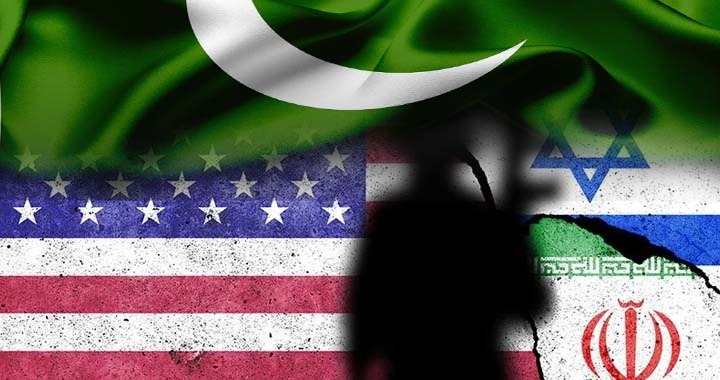
Amid the ongoing conflict between Iran, the United States, and Israel, Pakistan is actively working behind the scenes to prevent the war from escalating into a broader regional crisis. Acting as a bridge between Tehran, Riyadh, and other Gulf states, Islamabad is focusing on careful diplomacy aimed at de-escalation and maintaining regional stability, according to official sources.
Pakistan’s approach emphasizes discretion and strategic engagement rather than public visibility. While the country plays a constructive and active role, its officials are deliberately keeping a low profile to ensure that ongoing initiatives are not undermined by actors who could sabotage efforts to reduce tensions in the region.
Security and foreign policy experts highlight Pakistan’s unique position as a trusted interlocutor in the Middle East, capable of facilitating dialogue between conflicting parties. Islamabad’s interventions are intended to mitigate misunderstandings, coordinate communication, and create pathways for potential ceasefires or conflict-resolution discussions.
While the situation remains volatile, Pakistan’s diplomatic efforts reflect its longstanding commitment to peaceful conflict management and its role as a stabilizing actor in regional security affairs. Analysts note that Islamabad’s quiet, behind-the-scenes engagement could play a critical role in avoiding a wider war and protecting civilian populations across the region.
Pakistan’s measured diplomacy underscores the country’s approach of subtle influence, strategic mediation, and proactive engagement, reinforcing its credibility as a partner for peace amid a rapidly escalating Middle East conflict.



