
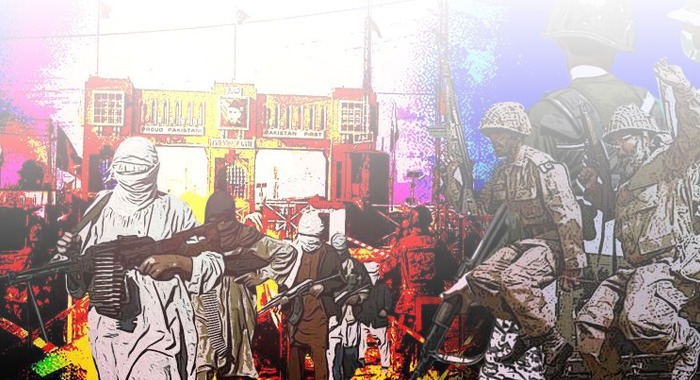
As diplomatic efforts, for de-escalation in Middle East, gain momentum with expected US–Iran talks in Islamabad, Pakistan’s security establishment is closely watching the broader implications for regional terrorism dynamics, particularly in Khyber Pakhtunkhwa and along the western border.
Security analysts note that instability in the Gulf has historically created financial and ideological spillover that benefits terrorist networks operating in the region. Informal funding channels, coupled with shifting geopolitical alignments, often provide breathing space to groups seeking to regroup and expand operations.
Officials stress that any meaningful de-escalation in the Middle East could directly constrain these networks by tightening financial flows and reducing external support mechanisms that indirectly sustain terrorist activity.
However, the security environment remains complex. Despite diplomatic progress on one front, cross-border threats persist, with terrorist groups continuing to exploit sanctuaries across the Afghan border. This duality underscores Pakistan’s position that diplomacy alone cannot neutralize threats without verifiable action against terrorist infrastructure.
The evolving situation reinforces a key strategic reality: regional stability is not compartmentalized, and gains in one theatre must be matched by accountability in others to produce lasting security outcomes.



