
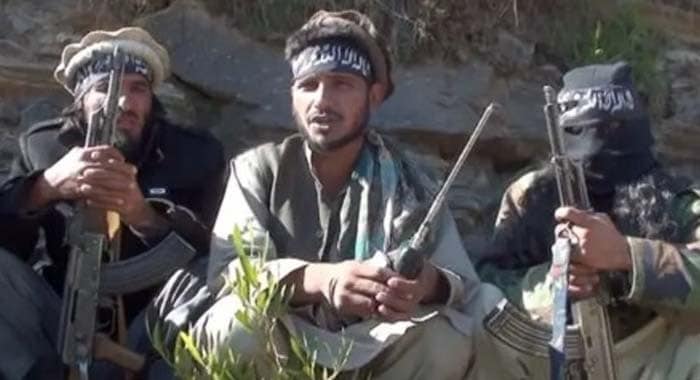
Serious security concerns are emerging over the reported return of Afghan fighters who participated in the ranks of Islamic State (ISIS) during the Syrian conflict, with accounts suggesting that several returning commanders have now been appointed to influential positions within the group’s organizational structure in Afghanistan.
According to the information circulated in the source material, the number of Afghan nationals who fought alongside ISIS in Syria against the former Bashar al-Assad government and the Islamic Republic of Iran is estimated to have exceeded 5,000. The account further indicates that members of the Haqqani Network also maintained an active presence in the Syrian conflict.
A significant number of these fighters were killed or wounded during the fighting in Syria, while others subsequently returned to Afghanistan and Pakistan’s Orakzai region.
Of particular concern are claims that seven commanders who returned from Syria have recently been appointed by ISIS to senior leadership positions across different Afghan provinces.
According to the source material, these appointments include positions described as Amir-ul-Harb (military commander) and provincial governor, indicating a reported effort to place experienced combatants in influential roles within the group’s organizational hierarchy.
The reported appointments raise serious questions about the movement of foreign-conflict veterans back into Afghanistan, their subsequent organizational affiliations, and the potential implications for the country’s wider security environment.
The reported movement of battle-hardened fighters between Syria, Afghanistan and Pakistan highlights the broader regional dimensions of militant networks and the security challenges associated with returning foreign-conflict combatants.
The reported presence of former Syrian battlefield participants in leadership positions also warrants close scrutiny, particularly in view of the potential implications for militant organizational continuity and regional security.
The source further indicates that additional details concerning the seven commanders and their respective provincial appointments will be disclosed in a subsequent account.



