
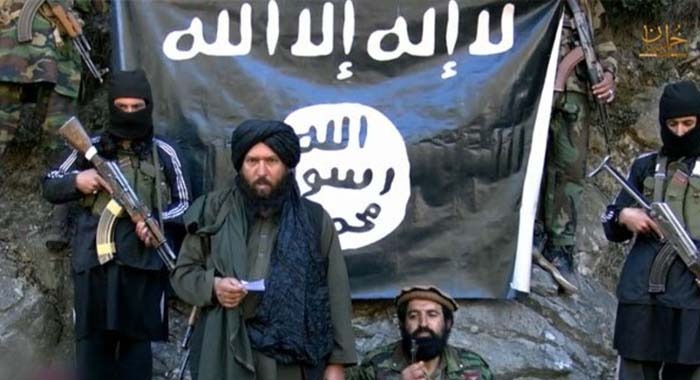
Extremism disguised as religious devotion has long been a persistent threat within Muslim societies, with a historical pattern of violence that repeatedly targets innocent Muslims. This phenomenon, foreseen by the Prophet Muhammad (peace be upon him), remains alarmingly relevant today. Both Sahih al-Bukhari and Sahih Muslim record a defining incident: while the Prophet (peace be upon him) was distributing the spoils of war, a man later identified in historical sources as Dhul-Khuwaisirah (Harqus) confronted him with the words: “Fear Allah and act justly.” The Prophet responded with clarity and authority:
“If I were to act unjustly, then who on this earth would remain just?”
When Umar ibn al-Khattab sought to punish this affront, the Prophet restrained him and issued a warning that transcends time: “From among his followers will emerge people whose prayer and fasting will cause you to regard your own deeds as insignificant. Yet they will leave the religion just as an arrow passes through its target.” This warning highlighted a crucial truth: extremism can wear the mask of piety while concealing a deadly and destructive agenda.
History shows that extremist factions, emerging under different names across centuries, have consistently carried out acts of violence against fellow Muslims. During the early Islamic civil conflicts, these groups rejected reconciliation efforts, objected to arbitration, and misused religious slogans to justify bloodshed.
One notable example is the period following the Battle of Jamal. Extremist factions opposed the safe return of Aishah bint Abi Bakr and later disrupted arbitration efforts between Ali ibn Abi Talib and Mu‘awiyah. Their rigid literalism and takfir mentality left communities vulnerable to unnecessary violence.
Historical records also describe their brutal actions against individuals such as Abdullah ibn Khabbab ibn al-Aratt, who was tortured and killed for refusing to renounce Ali, along with his pregnant wife demonstrating a pattern of targeting those upholding justice and moral principles.
A defining trait of such groups is moral inconsistency. They often obsess over minor ritual violations yet commit heinous acts of violence against innocent Muslims. This contrast highlights a dangerous ideology that prioritizes self-defined religiosity over ethical responsibility and human life.
The same dynamics persist in contemporary contexts. Extremist violence continues to target civilians, scholars, worshippers, and community leaders. Attacks on mosques, educational institutions, and public gatherings—regardless of location demonstrate a clear continuity of this destructive pattern.
These attacks are not motivated by a defense of Islam but represent a distorted ideology that exploits faith to justify murder and terror. Mainstream scholars across all schools of thought have condemned such actions as antithetical to Islamic principles and human ethics.
This historical and ongoing pattern underscores the need for vigilance, education, and clarity in distinguishing between true religious devotion and extremism disguised as piety. Recognizing this distinction is essential for protecting communities, preserving life, and maintaining social cohesion. The prophetic warning remains as relevant today as it was fourteen centuries ago: religion devoid of knowledge, mercy, and moral accountability becomes a weapon against the very communities it is meant to serve.
Extremism that targets Muslims has a clear historical legacy, rooted in misinterpretation, fanaticism, and violent enforcement of self-defined ideals. Awareness of this recurring threat is essential for Muslim societies and global communities alike. Upholding justice, ethical responsibility, and scholarly understanding remains the most effective defense against such destructive forces.



