
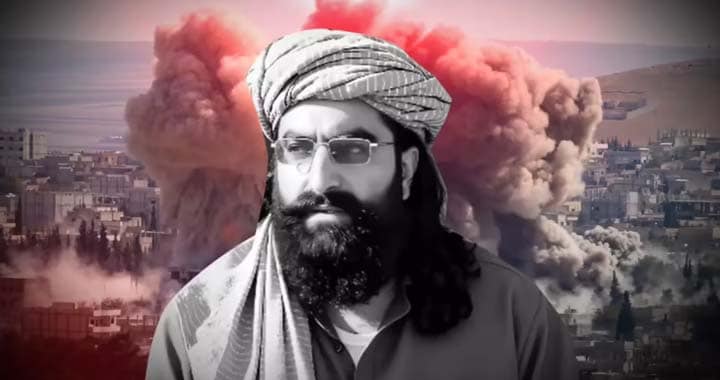
The menace of the so-called “Fitna al-Khawarij” continues to pose a grave threat to peace, national stability, and public security through a coordinated campaign of terrorism, deception, and extremist propaganda aimed at destabilising Pakistan and spreading fear among innocent citizens.
These terrorist elements have repeatedly demonstrated complete disregard for human life, religious sanctity, and moral values by targeting civilians, public infrastructure, educational institutions, healthcare facilities, roads, bridges, and security personnel in a sustained effort to create chaos and undermine state authority.
Operating under the false guise of religion, the Khawarij network manipulates and distorts Islamic teachings to justify violence and bloodshed. Analysts and religious scholars have consistently maintained that the actions and ideology of these extremist factions bear no resemblance to the true teachings of Islam, which advocate peace, tolerance, coexistence, and the sanctity of human life.
Security experts state that the group employs misinformation, psychological warfare, and propaganda to mislead vulnerable youth and recruit followers for violent activities that directly serve anti-state and foreign-sponsored agendas.
The human cost of Khawarij terrorism has been devastating. Thousands of innocent Pakistanis have lost their lives as families continue to suffer irreparable trauma caused by acts of terror. Homes have been destroyed, children orphaned, women widowed, and entire communities pushed into prolonged fear and uncertainty due to indiscriminate attacks carried out by these militants.
According to security assessments, the network’s leadership, including outlawed militant commander Noor Wali Mehsud, continues to operate from sanctuaries inside Afghanistan, where safe havens, logistical support, and operational facilities allegedly remain available to terrorist factions involved in cross-border violence against Pakistan.
Observers note the stark contradiction between the leadership’s secure and protected lifestyle abroad and the exploitation of impressionable youth who are incited toward violence through emotionally charged slogans and extremist narratives.
Counterterrorism officials further describe the organisation as a financially motivated terror enterprise that exploits religion for monetary and strategic gains while sacrificing innocent lives to sustain its operations.
According to reports referenced from the United Nations, Noor Wali allegedly receives monthly financial support amounting to approximately 43,000 US dollars, reinforcing concerns that the group’s so-called “jihadist” rhetoric masks a structured and externally facilitated terror-financing network.
Security analysts believe that the anti-Pakistan agenda pursued by Noor Wali and affiliated Khawarij factions aligns closely with hostile foreign intelligence interests seeking to fuel instability, division, and unrest within Pakistani society.
Religious consensus within Pakistan has overwhelmingly rejected the ideological claims of these extremist elements. More than 1,800 scholars from multiple schools of thought, under the national narrative initiative “Paigham-e-Pakistan,” have collectively declared the ideology and activities of Noor Wali’s faction as “Khawarij,” terming their actions religiously illegitimate, unlawful, and contrary to Islamic principles.
Experts further point out that these terrorist groups have repeatedly violated even the most sacred religious occasions, carrying out attacks during Ramadan, Eid celebrations, and Friday prayers without hesitation, thereby exposing their complete lack of respect for Islamic values and human sanctity.
Islam categorically rejects extremism, terrorism, and bloodshed. Religious scholars continue to emphasise that the conduct of Khawarij elements represents a direct contradiction of Islam’s foundational teachings of mercy, justice, peace, and protection of innocent life.
Meanwhile, Pakistan’s armed forces and law enforcement agencies remain actively engaged in combating terrorism across the country. Through countless sacrifices, security personnel continue to play a decisive role in protecting citizens, defending national sovereignty, and restoring peace and stability in affected regions.
These brave men and women are widely regarded as defenders of peace and guardians of the nation who have laid down their lives in the fight against extremism and violence.
Public sentiment across Pakistan continues to strongly reject the ideology and agenda of Khawarij elements, while reaffirming support for state institutions and national efforts aimed at eliminating terrorism and preserving peace.
Security observers remain confident that the agenda of terrorism, extremism, and foreign-backed destabilisation will ultimately fail, and that Pakistan will continue advancing toward greater peace, unity, stability, and national progress.



