
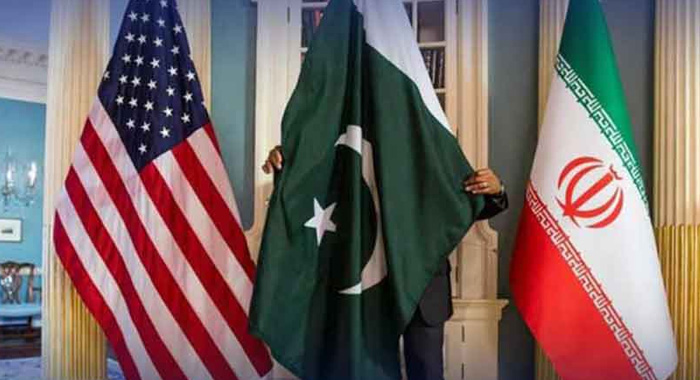
Pakistan played a critical role in brokering the two-week ceasefire between Iran and the United States, acting as a key intermediary in last-minute negotiations that brought a fragile but hopeful pause to escalating regional tensions.
According to BBC, sources close to the process, Pakistan’s diplomatic and military leadership worked intensively behind the scenes to facilitate communication between the two sides. Speaking anonymously, a Pakistani official involved in broader oversight described the negotiations as proceeding “at pace,” with Pakistan maintaining a “sombre and serious but still hopeful” atmosphere, despite the precariousness of the situation.
The Pakistani delegation consisted of a small, tightly-knit circle of officials, including the country’s top leadership, while the broader public and other government members remained outside these intensive discussions. Over the last several weeks, Pakistan has consistently acted as a channel for messages between Iran and the United States, leveraging its historic relationship with Tehran, a shared border, and its longstanding diplomatic ties.
President Donald Trump has publicly referred to Pakistan’s Chief of Army Staff, Field Marshal Asim Munir, as his “favourite Field Marshal,” acknowledging his knowledge of Iran “better than most.” Prime Minister Shehbaz Sharif also played a central role, coordinating with both Islamabad’s diplomatic channels and the White House to propose a two-week extension of the U.S. deadline for Iran to reopen the Strait of Hormuz.
In parliament, Foreign Minister Ishaq Dar emphasized Pakistan’s continuing efforts to manage the delicate situation: “Until yesterday, we were very optimistic that things are moving in a positive direction,” he said, noting that Israeli strikes on Iran and subsequent Iranian attacks on Saudi Arabia had complicated the negotiations.
Field Marshal Munir addressed military officials, stating that the attacks on Saudi Arabia “spoils sincere efforts to resolve the conflict through peaceful means,” marking some of the strongest public criticism from Pakistan toward Iran since hostilities began. Analysts suggest that this stance may have added diplomatic pressure on Tehran. Pakistan maintains a defense pact with Saudi Arabia, which has not yet been invoked despite repeated attacks.
After midnight local time, Prime Minister Shehbaz Sharif posted on X that “diplomatic efforts… are progressing steadily, strongly and powerfully with the potential to lead to substantive results in near future,” and formally requested President Trump to extend the deadline for Iran by two weeks while urging Tehran to open the Strait of Hormuz for the same period.
Shortly afterward, Iran’s ambassador to Pakistan, Reza Amiri Moghadam, confirmed on X that there had been “a step forward from critical, sensitive stage.” By 05:00 local time, Prime Minister Sharif announced that a ceasefire had been agreed and invited both sides to meet in Islamabad on Friday, April 10, to negotiate a conclusive long-term agreement.
Despite the ceasefire, sources in Pakistan emphasized the continued fragility of the situation. “We are still being very circumspect,” said an official. “There is no trust between the two sides, with strongly entrenched positions on both ends.”
Pakistan’s pivotal role in mediating between Iran and the U.S. underscores the country’s growing importance as a regional diplomatic actor, bridging communication gaps and striving to secure a path toward sustainable peace in one of the world’s most volatile regions.



