
A new United Nations report has issued a stark warning about Afghanistan, revealing that living conditions have deteriorated sharply, with women and girls suffering the most under mounting repression, poverty, and societal restrictions. The findings, presented Monday at the UN Human Rights Council in Geneva, show that nearly every aspect of daily life—from education and healthcare to employment and freedom of movement faces severe strain, threatening the stability and future of Afghan society.
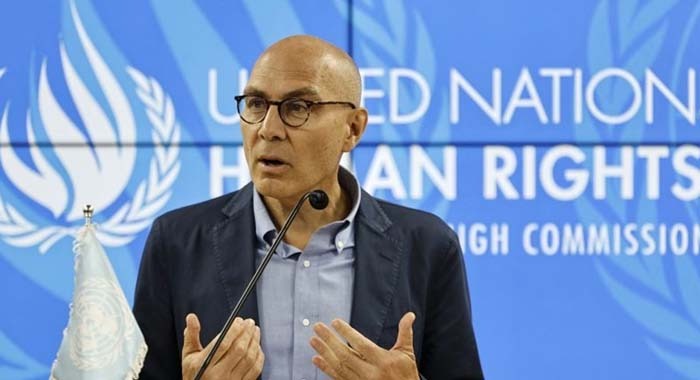
UN High Commissioner for Human Rights Volker Türk emphasized the magnitude of the crisis, stating that approximately 21.9 million people, nearly half of Afghanistan’s population, will require humanitarian assistance this year. He described the situation as a “graveyard of human rights,” highlighting that millions of Afghans now live in extreme poverty, with limited or unreliable access to food, clean water, education, and medical care.
The report paints a deeply troubling picture, particularly for women and girls. Since the Taliban takeover, girls are barred from education beyond sixth grade, while women face sweeping restrictions on university studies, employment opportunities, access to public services, and freedom of movement. These measures have had far-reaching consequences, exacerbating poverty, household dependence, and societal inequality.
The UN also raised concerns about growing attacks on freedom of expression. Journalists face arbitrary detention, and the works of women writers have been removed from libraries. Meanwhile, harsh punishments—including public executions and floggings remain in practice, representing severe violations of fundamental human rights. The situation is compounded by the Taliban’s policies, which have restricted digital access; a 48-hour internet shutdown in 2025 disrupted essential services, including healthcare and banking, further intensifying daily hardship.
Economic collapse, drought, and dwindling international aid have further worsened living conditions. Roughly three million migrants have returned from neighboring countries, straining already overstretched communities and humanitarian services. The UN report warns that continued forced returns of Afghans could deepen instability, overburden public services, and intensify the humanitarian emergency.
In response, the United Nations has called on the Taliban to reverse discriminatory policies, restore women’s rights, end executions and other inhumane punishments, and ensure basic freedoms for all citizens. The UN has also urged the international community to prevent forced deportations of Afghan refugees and support accountability mechanisms to address ongoing human rights violations.
“This is more than a humanitarian crisis it is a profound human rights catastrophe,” said Türk. “Without immediate action and international support, millions of Afghan women, children, and families will continue to suffer under extreme deprivation, repression, and violence. The consequences for regional stability are equally alarming.”
Afghanistan, already one of the world’s largest humanitarian emergencies, now faces compounded threats from conflict, economic collapse, climate shocks, and systemic restrictions on human rights. The UN report underscores that urgent international engagement, humanitarian aid, and accountability are critical to prevent further deterioration and to safeguard the rights, lives, and future of millions of Afghans.



